School Classics Trips to Rome
Unlock 3,000 years of history in ‘The Eternal City’
Explore one of the most ancient cities in Europe steeped in over 3,000 years of history, culture and architecture. Full of intrigue and drama, a visit to the Eternal City is an excellent way of introducing your students to the delicate link between Roman culture as it’s represented in literature, as well as how its culture is still expressed in its architecture today.
Bringing Roman society to life, a school classics trip to Rome will truly engage your students in this fascinating period of history.

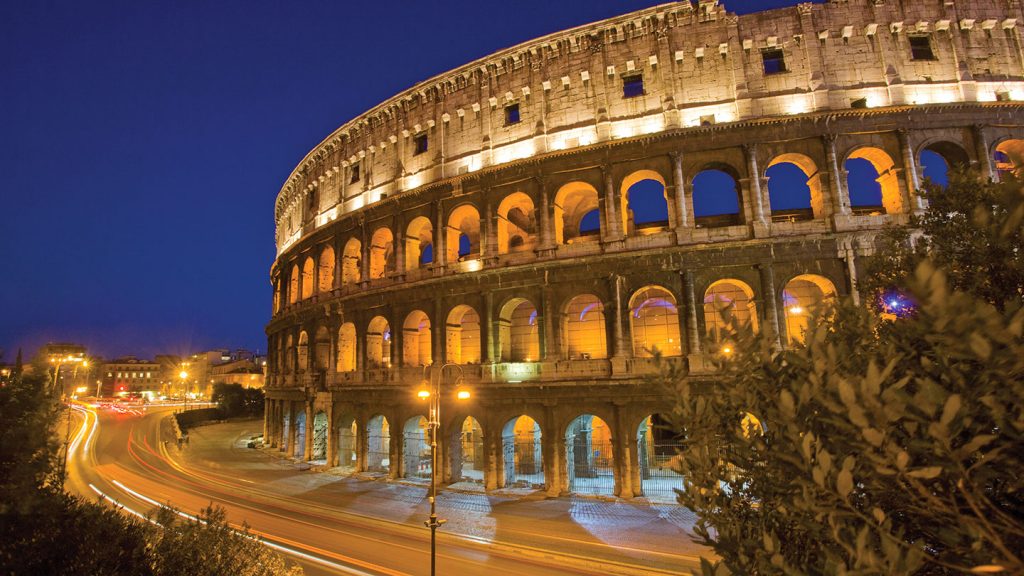
Our Recommended Itinerary
Here’s what your trip could look like
Day 1
Flight to Rome
Visit the Roman Catacombs
Walk to the oldest gelateria in Rome
Day 2
Guided tour of the Colosseum, Forum and Palatine Hill
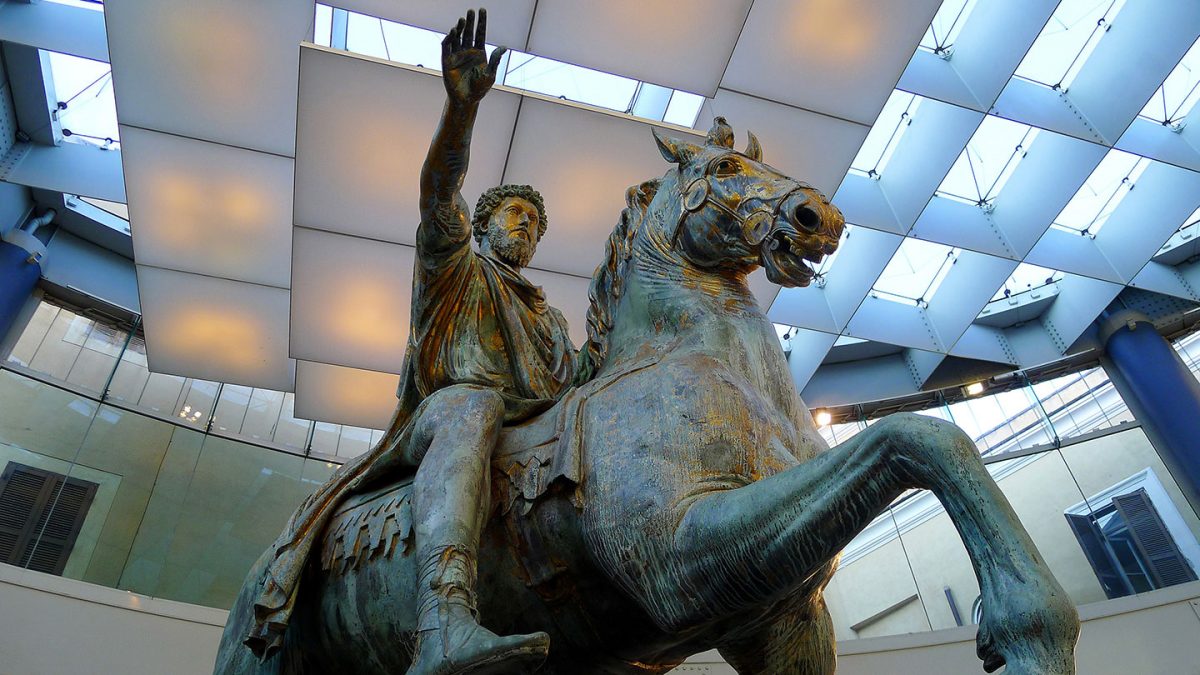
Arco di Constantine, Capitoline Hill & Museum and Trojan’s Column
Trevi Fountain and Spanish Steps
Day 3
Ostia Antica Archaeological Site
Vatican City including museums, Sistine Chapel and St Peter’s Basilica
Piazza Navona
Day 4
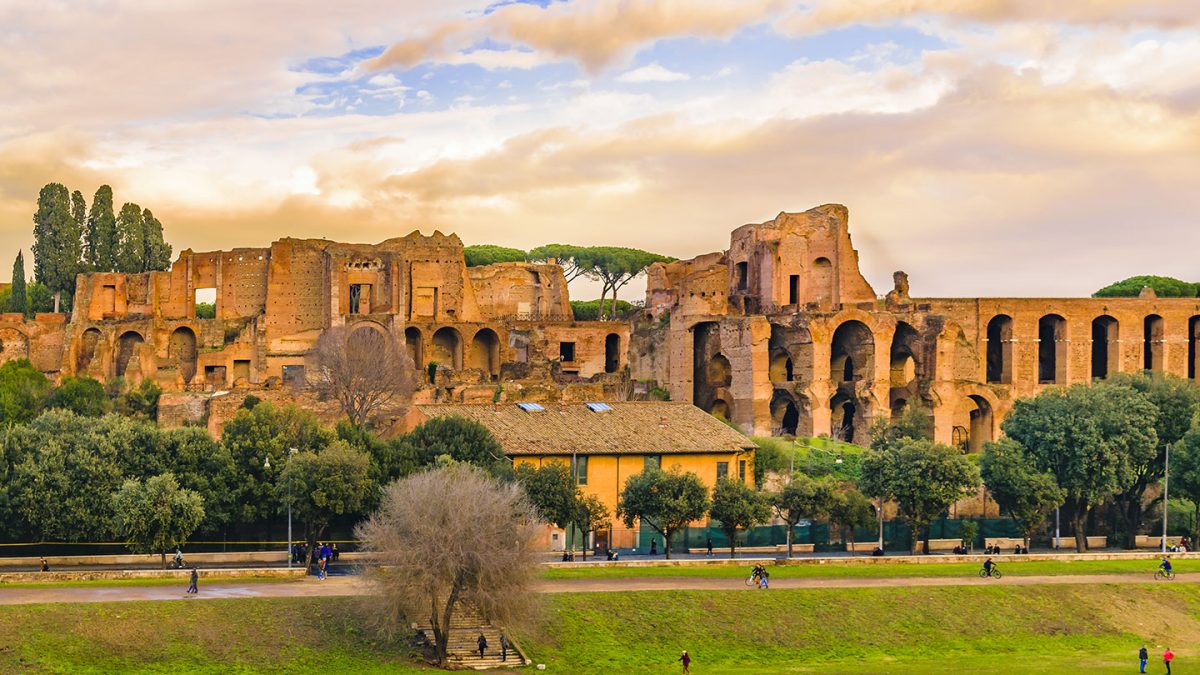
Circus Maximus
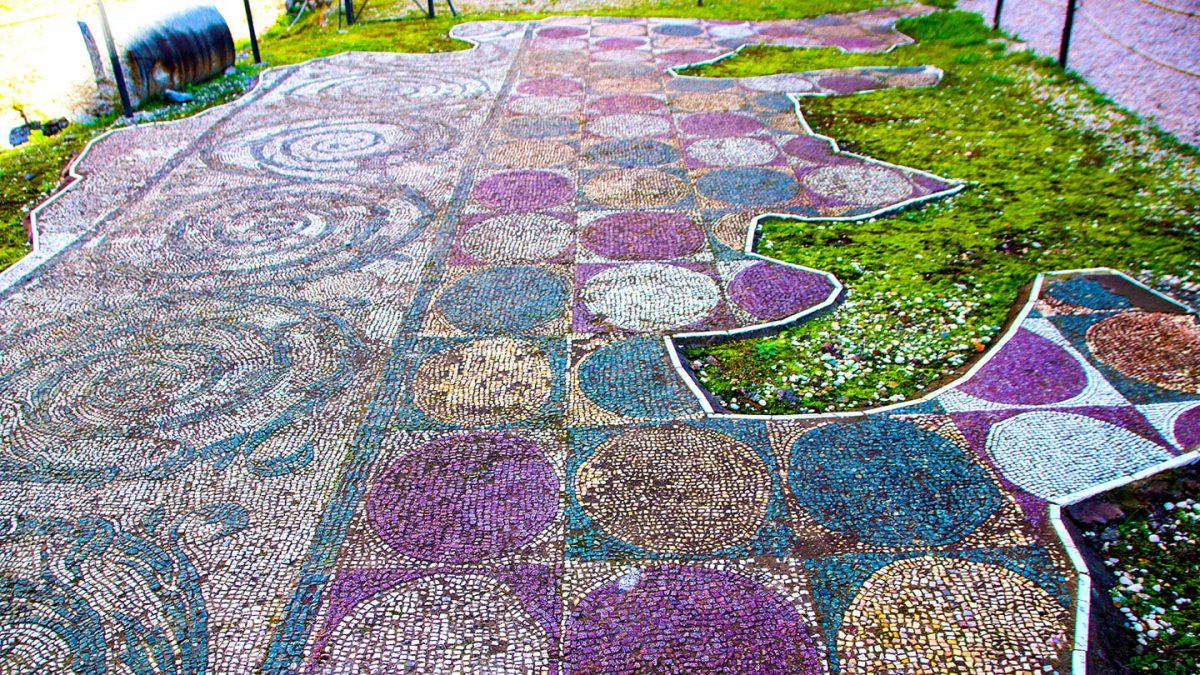
Caracalla Baths
Flight home
Based on 4 day, 3 night tour for 36 members (+4 free places) travelling October 2023. Subject to availability.
- Return airport transfers in resort
- Half day additional coaching
- Half board accommodation
- Travel insurance
- Free staff place ratio 1:10
- 24/7 support
- Vamoos travel app & info pack
- Tailor-made itinerary
- VAT
- Excursions:
- Catacombe San Callixtus
- St Peter’s Basilica
- Ostia Antica
- Domus Aurea
- Circus Maximus
- Pantheon
- Caracalla Baths
- Colosseum
- Roman Forum
- Palatine Hill
Optional Extras
- Dedicated Tour Manager
- Hoodies and Polo Shirts
Excursions in Rome
Browse a selection of our favourite excursions
Musei Capitolini
Circus Maximus
Caracalla Baths
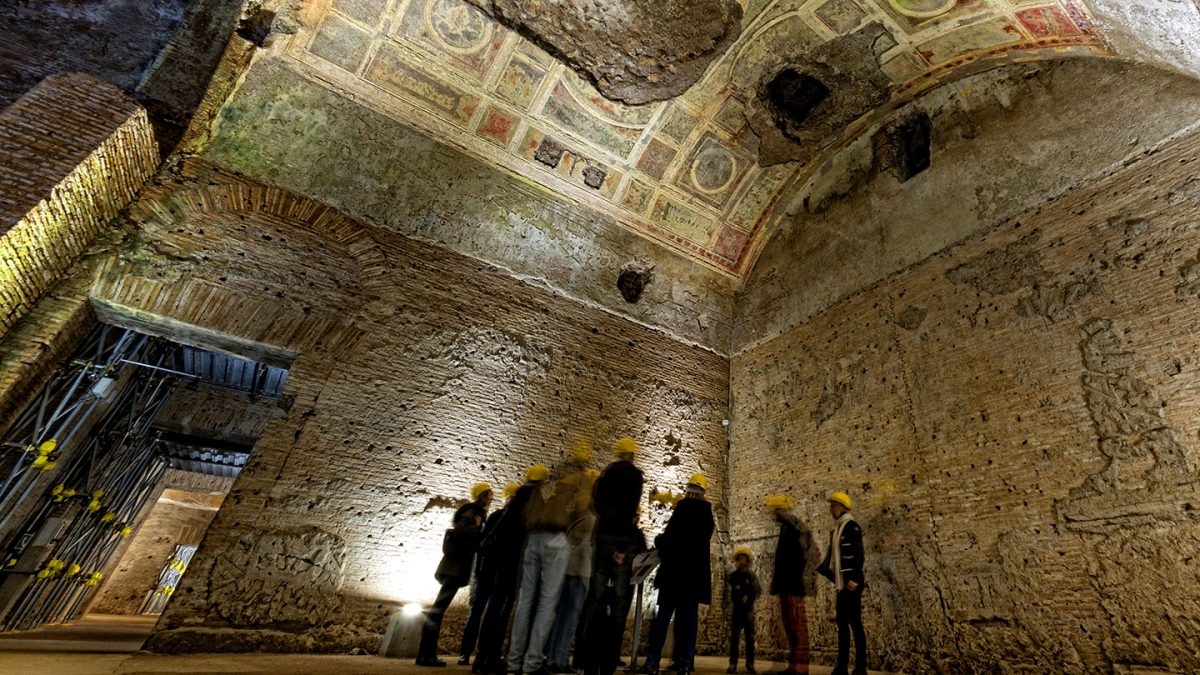
Domus Aurea
St Peter’s Basilica

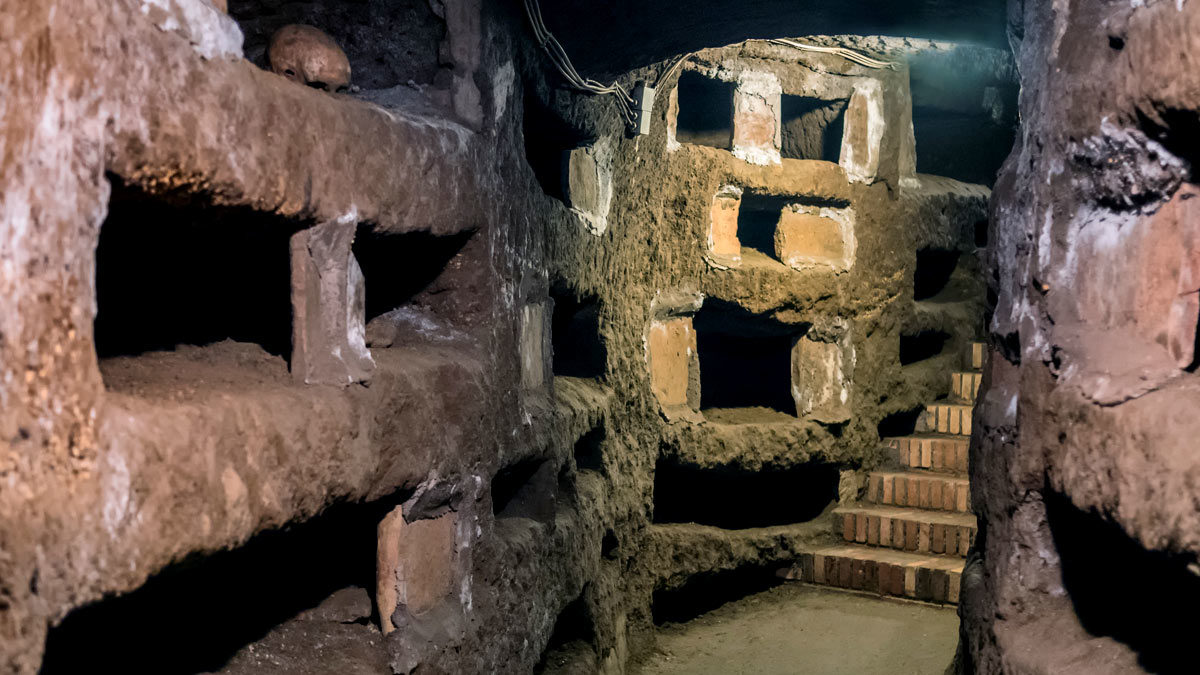
Catacombe San Callixtus
Hard Rock Café, Rome
Palatine Hill
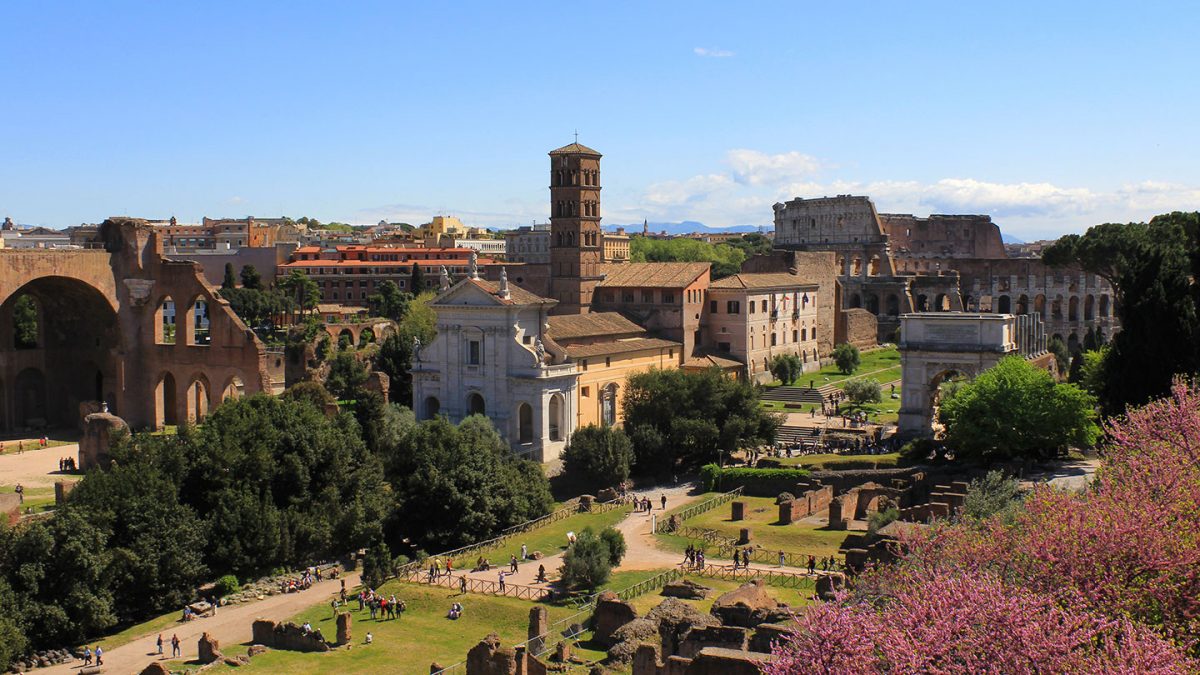
Roman Forum
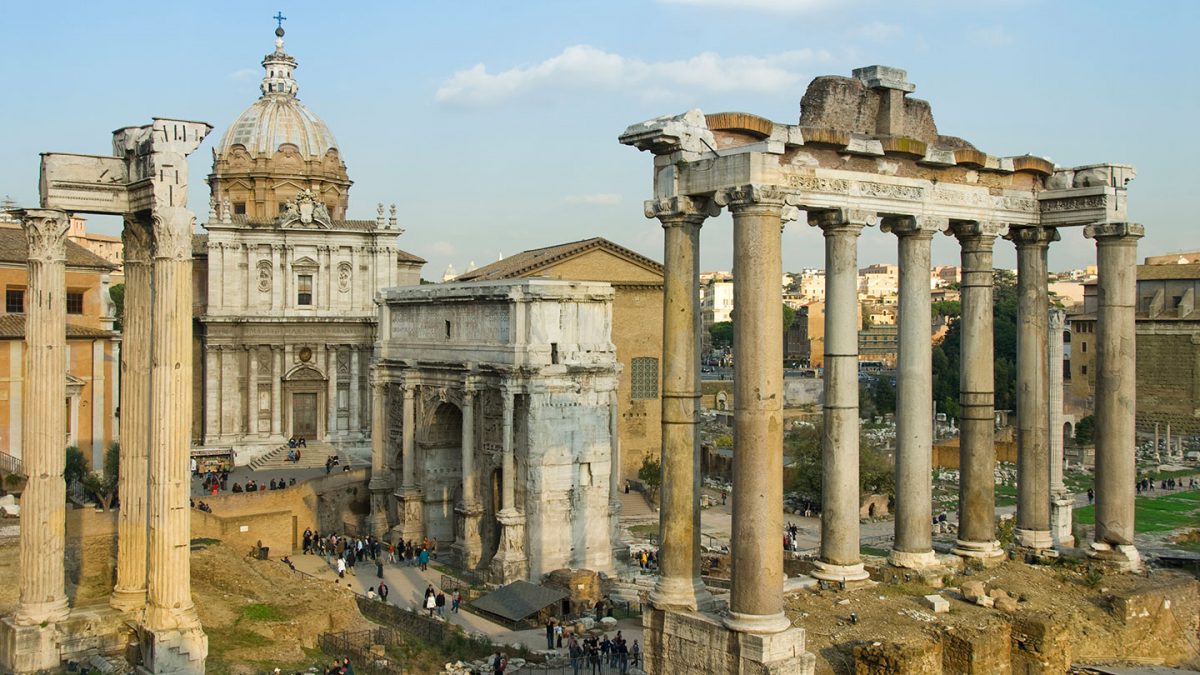
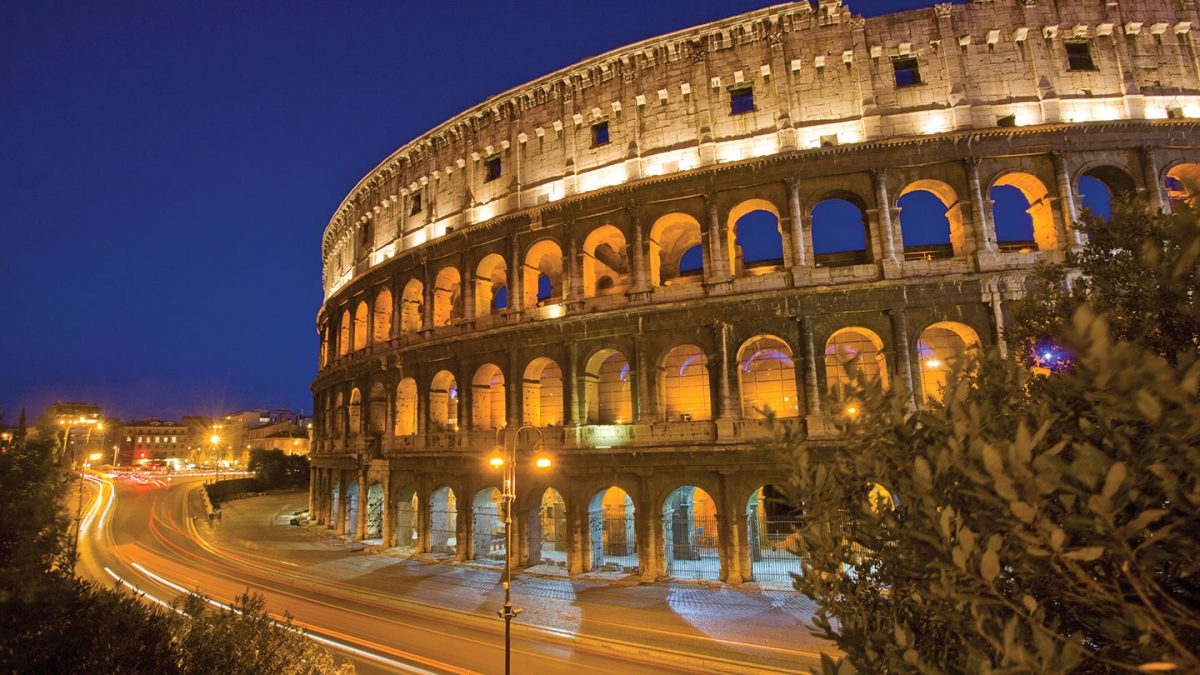
Colosseum
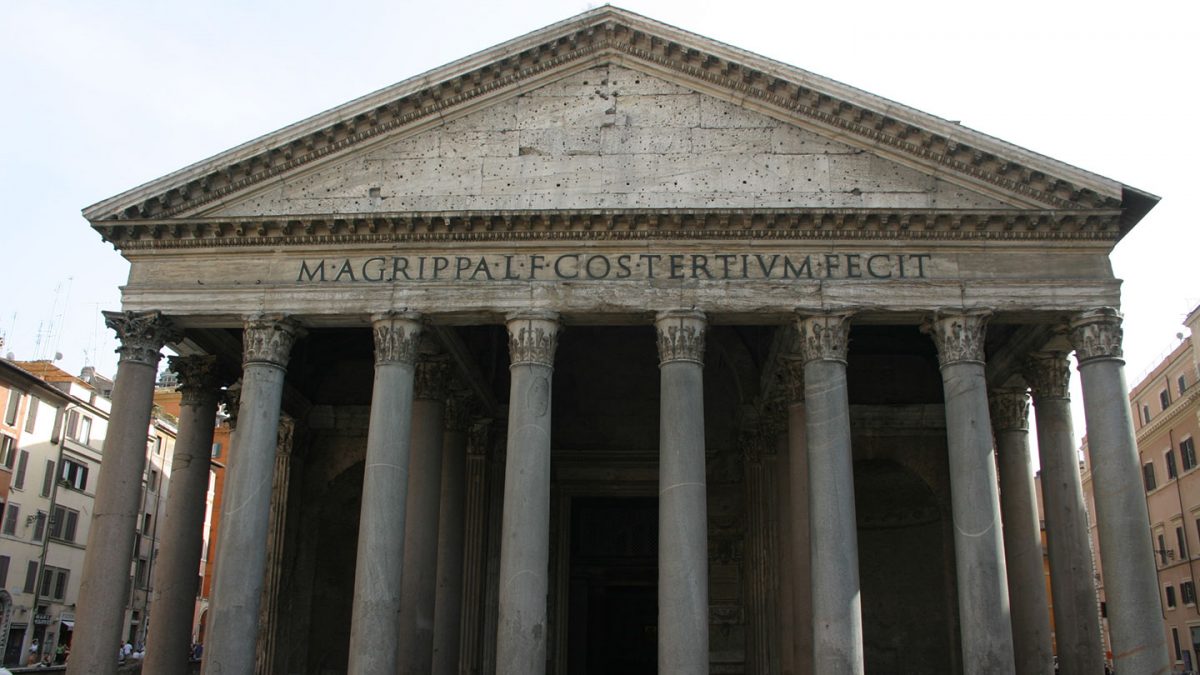
Pantheon
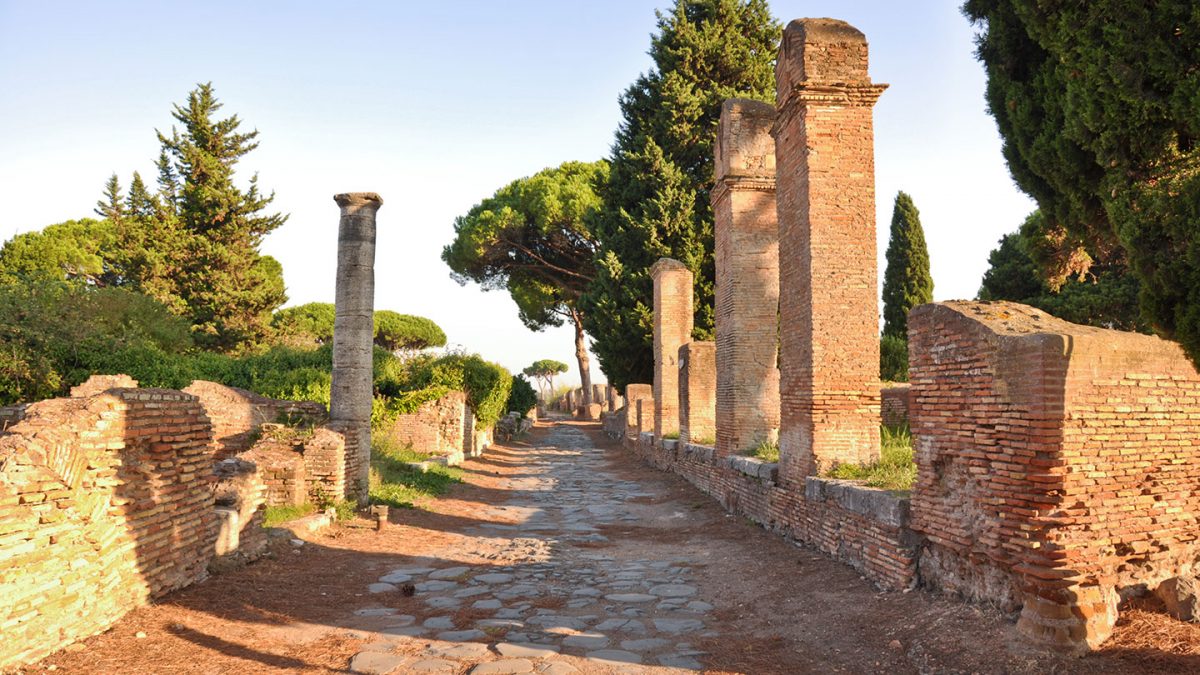
Ostia Antica
Accommodation
Popular places to stay in Rome
- 5 minute walk from Trastevere Station
- Great links to Rome’s historic centre and the Vatican
- Quad, triple, twin and single beds
- En-suite facilities
- Wi-Fi
- Customer feedback: "I cannot speak highly enough of the staff at Hotel Villa Rosa. Consummately professional and helpful, they were invaluable in helping us to resolve various situations (e.g. lost phones, taxis etc.) and it was very clear, very quickly, that I could rely on them completely."
- Sun terrace and outdoor seating
- Bar
- Shared lounge and TV area
- Luggage storage
- Wi-Fi
- Soak up the sun on the terrace
- Grab a bite to eat in the restaurant
- Chill out and watch TV in the shared lounge
- Hop on the train for sightseeing in central Rome
- Located in the centre of the Nomentano district
- Within walking distance of Piazza Bologna metro station
- Quad, triple, twin and single bed rooms
- En-suite facilities
- Wi-Fi
- Cosy garden
- Breakfast room
- American bar
- Air conditioning
- Wi-Fi
- Enjoy a delicious morning meal in the breakfast room
- Relax in the beautiful garden
- Sit with a drink in the bar
- Explore the Nomentano district
- Hop on the metro and go sightseeing in central Rome
Additional Information
Your journey doesn’t have to end here! See what else we can offer to help you get the most out of your tour. From dedicated Tour Managers to Party Leader Launch Packs, we’ll go above and beyond to support you and your students.
Discover more about this tour
Other Destinations
Because choice is what makes life interesting
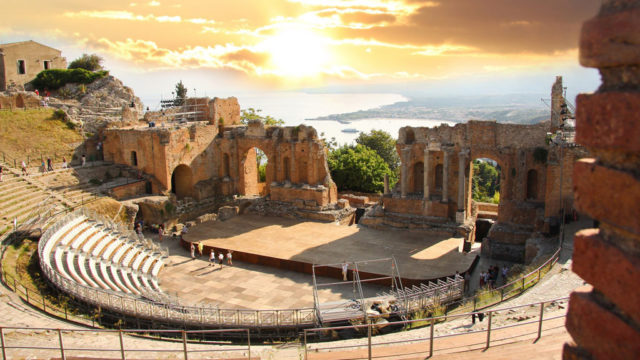
Sicily
Fancy exploring the gateway to Greek and Roman civilisation? Say hello to Sicily.
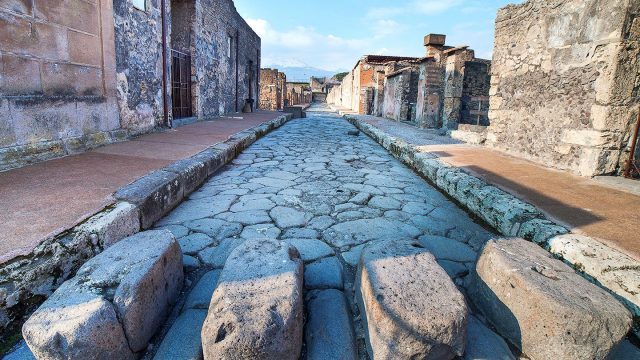
Bay of Naples
From Pompeii and Herculaneum to the temples of Paestum, the Bay of Naples is full of classical history.
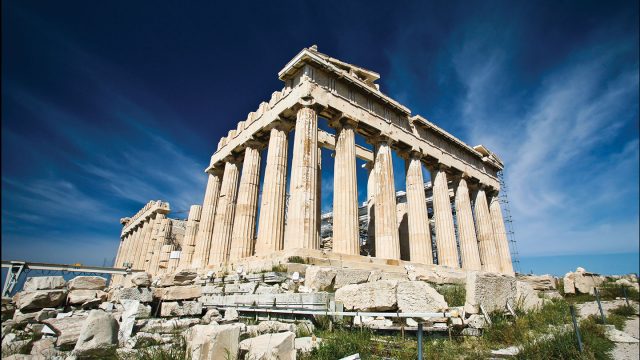
Athens
Follow in Plato's footsteps and immerse yourself in what was once the world's most powerful city, Athens.
What our customers say
FAQs about this tour
Find the answers to some of our most frequently asked questions.
-
Do you provide risk assessments for hotels?
Rayburn Tours have individual audits which are completed on every hotel/accommodation centre which we use. We are more than happy for you to see this should you wish. Our audits cover fire safety, means of escape and general safety.
-
What if the weather is bad on tour and it means we have to change our programme?
It’s no problem at all! If you are accompanied by a Rayburn Tours representative they will be happy to help. Alternatively, call us on the 24-hour emergency line. We will advise on all excursions where necessary, however, it may not always be possible to reschedule all activities in bad weather.
-
What does our insurance cover us for?
Our insurance providers offer comprehensive cover to our groups for the duration of their tour and is tailored specifically for schools, with specialist insurance policies for individual tour types. As with any insurance cover, it is vital that you read through the terms and conditions and that you declare any relevant information as requested. Please see our insurance page for further information and to see what is covered. For groups opting to take their own insurance, we highly recommend that you read all inclusions and exclusions prior to departure.
-
Is our Tour Manager fully DBS (formerly CRB) checked?
Our Tour Managers, Field Study Tutors and History Tour Guides, with UK citizenship, have an enhanced DBS check. Non UK citizenship Tour Managers cannot be checked under the DBS scheme. Rayburn Tours will seek confirmation that Tour Managers are suitable for working with children by liaising with relevant foreign agents and monitoring group feedback.
Travel in safe hands
Your safety is of the utmost importance to us and we monitor the safety aspects of all of our tours to ensure you have a memorable experience for all the right reasons.
Discover More