
We’re celebrating, having won the School Travel Awards – Best Large School Tour Operator award!

A Guide to Writing a School Trip Letter to Parents

Last updated: Oct 22nd, 2026


Planning a school trip is an exciting opportunity to bring learning to life beyond the classroom. But before the excitement begins, there’s one important step: communicating the details to parents and guardians. 

A well-written school trip letter helps parents understand what the trip involves, why it’s valuable for their child, and what they need to do to secure their place. It also provides reassurance around practical arrangements, costs and safety. 

In this guide, we’ll explore the key information to include, share practical tips for getting your letter right, and provide a template to help you get started. 

What should you include in a trip letter to parents? 

Your initial letter should give parents a clear overview of the trip and enough information to help them decide whether their child can take part. 

Here are the essentials to cover. 

1. An overview of the trip

Start with the basics. Where are you going, when will the trip take place, and how long will students be away? 

Briefly explain the purpose of the trip and introduce the experiences students can look forward to. You don’t need to include every detail of the itinerary at this stage. Focus on giving parents a clear picture of the overall experience. 

2. The educational benefits

Parents will want to understand how the trip supports their child’s learning and development. 

Whether students are practising a foreign language, exploring historical landmarks, developing musical skills, or experiencing a new culture, explain how the trip connects with their studies. 

Highlighting these benefits helps demonstrate that a school trip is more than just a day away from the classroom. It’s an opportunity to put learning into practice, build confidence, and create lasting memories. 

3. Travel and accommodation arrangements

Include the confirmed travel dates and an outline of how students will reach their destination. 

If the trip involves flights, coach travel or other transport, provide a brief overview of the arrangements. You should also include accommodation details where these have been confirmed. 

You can share a more detailed itinerary and additional practical information at a parents’ information evening or in follow-up communications. 

4. Activities and excursions

Give parents a taste of what students will experience during the trip. 

You might highlight a particularly exciting excursion, a specialist workshop or an educational visit that supports the curriculum. 

If certain activities are included in your tour package, make this clear. It’s also worth explaining how the planned programme relates to your subject’s learning objectives. 

5. Costs and payment deadlines

Cost is an important consideration for families, so make this information easy to find and understand. 

Your letter should outline: 

  • The estimated total cost per student. 
  • What is included in the price, such as transport, accommodation, meals, excursions, and insurance, where applicable. 
  • Any significant exclusions or additional expenses. 
  • The initial deposit and its deadline. 
  • Any subsequent instalments and the final balance deadline. 
  • The relevant cancellation terms. 

If the final price depends on the number of students participating, explain that the quoted amount is an estimate and clarify when the cost will be confirmed. 

Providing a clear payment schedule helps families plan ahead and understand their financial commitment. 

6. Supervision and safety

Parents need confidence that their children will be well supported throughout the trip. 

Include information about the planned staffing arrangements and teacher-to-student supervision ratio, once confirmed. You can also explain who is organising the trip and introduce your tour operator. 

Where relevant, mention appropriate travel insurance, the operator’s relevant accreditations and the arrangements for sharing important information with parents. 

Avoid making promises about safety or insurance cover that go beyond the confirmed arrangements. 

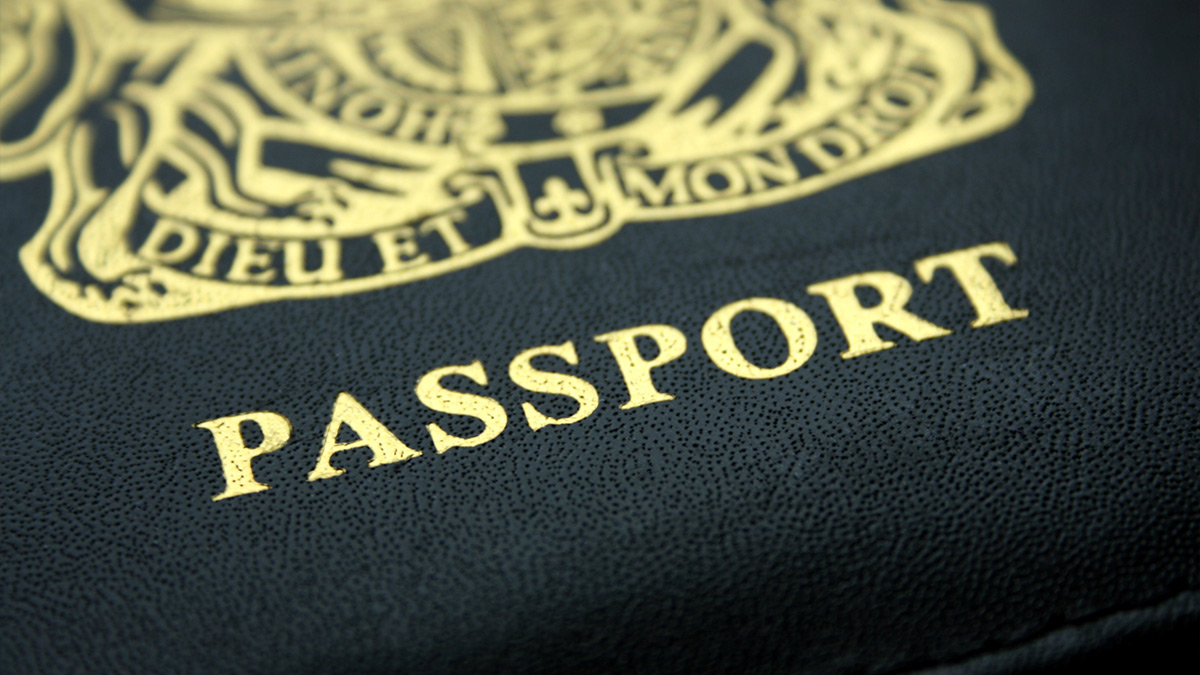
British Passport

How can you make your school trip letter more effective? 

Including the right information is essential, but how you present it matters too. 

Keep it concise. Use short paragraphs, clear headings, and bullet points to make the letter easy to scan. Save the finer details for supporting documents or an information evening. 

Lead with the value of the trip. Explain why the experience matters to students and how it complements their learning. Practical information is important, but parents should also understand what makes the opportunity worthwhile. 

Separate confirmed details from estimates. If prices, activities or travel arrangements are still subject to change, make this clear. This helps manage expectations and avoids confusion later. 

Make deadlines obvious. Highlight key dates for consent forms, deposits, and information evenings so parents know exactly what is expected of them. 

Check everything before sending. Confirm that dates, costs, payment instructions, contact details and travel requirements are accurate. Make sure the consent form requests the information and permissions your school needs. 

7. Travel documents and requirements

For trips overseas, parents may need to arrange or check several documents before departure. 

Depending on the destination and the individual traveller, these could include: 

  • A valid passport.
  • Any required visas or entry permissions. 
  • Relevant healthcare documentation. 
  • Any additional forms required by the school or tour operator. 

Explain what parents need to check and where they can find reliable, up-to-date guidance. Requirements can vary by destination, nationality, and travel circumstances, so avoid assuming that the same rules apply to every student. 

8. The next steps for parents

Finish with a clear explanation of what parents need to do if they would like their child to participate. 

This might involve completing a consent form, paying a deposit, submitting medical information or attending a parents’ information evening. 

Include the relevant deadlines, payment instructions and contact details for anyone who has questions. If places are limited, explain how they will be allocated. 

The easier you make the next steps, the easier it is for parents to respond confidently and on time. 

How can Rayburn Tours help? 

Preparing a school trip letter can feel like another task on an already busy to-do list. Having the right information available from the outset can make the process much easier. 

At Rayburn Tours, we provide schools with key trip information through our quotation documents and conversations with our Tour Consultants. Depending on the trip, this can include travel arrangements, accommodation details, itinerary information, insurance details and payment schedules. 

We also provide school trip launch packs, including a parent launch letter designed to help schools communicate the essential details of their trip. Department-specific versions are available, following a similar format that schools can adapt to their own requirements. 

Once a booking is confirmed, our Sales Consultants and Tour Coordinators are also on hand to answer questions and provide supporting information to help teachers prepare their communications. 

This means you can spend less time gathering information and more time getting students excited about the experience ahead. 


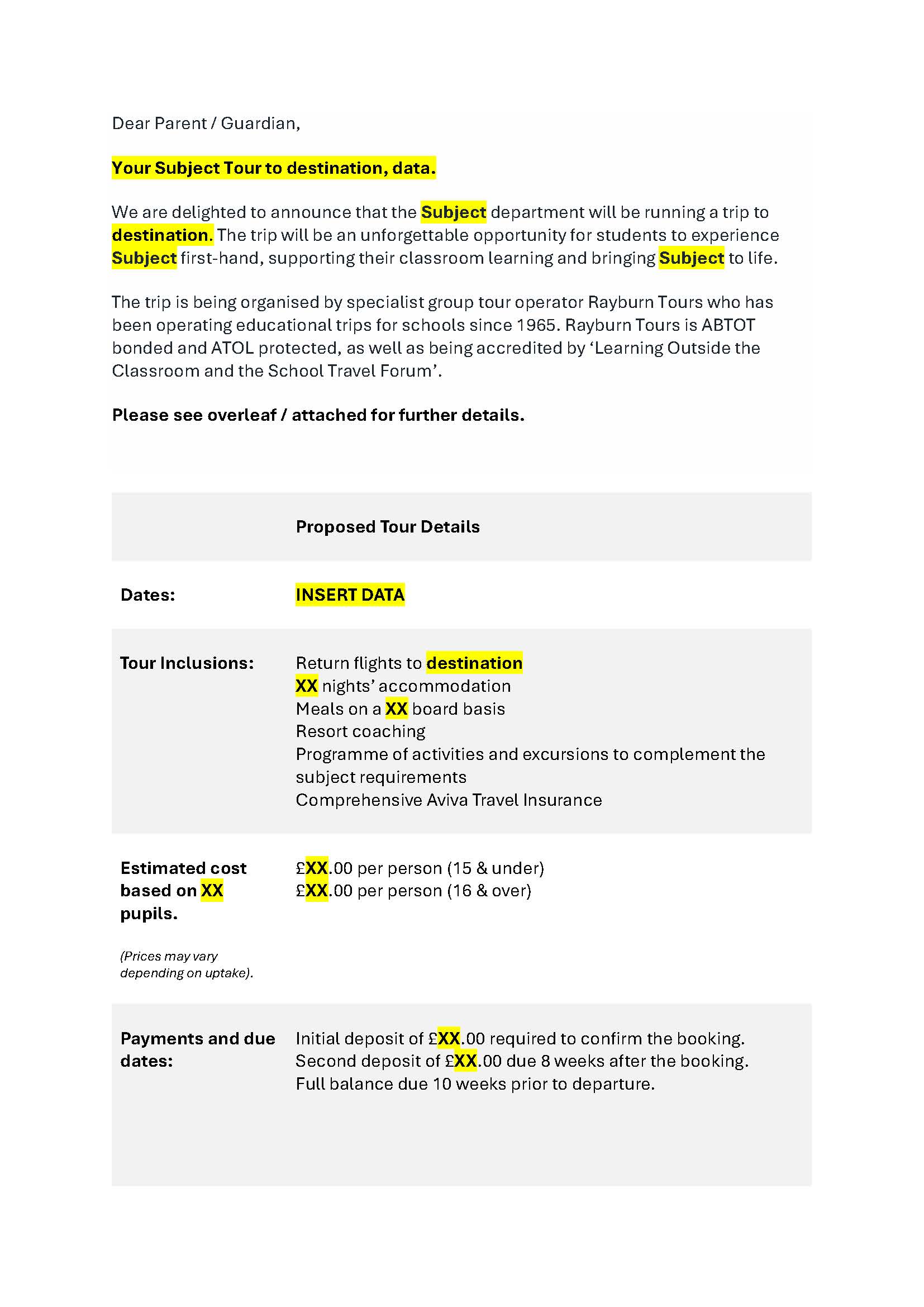
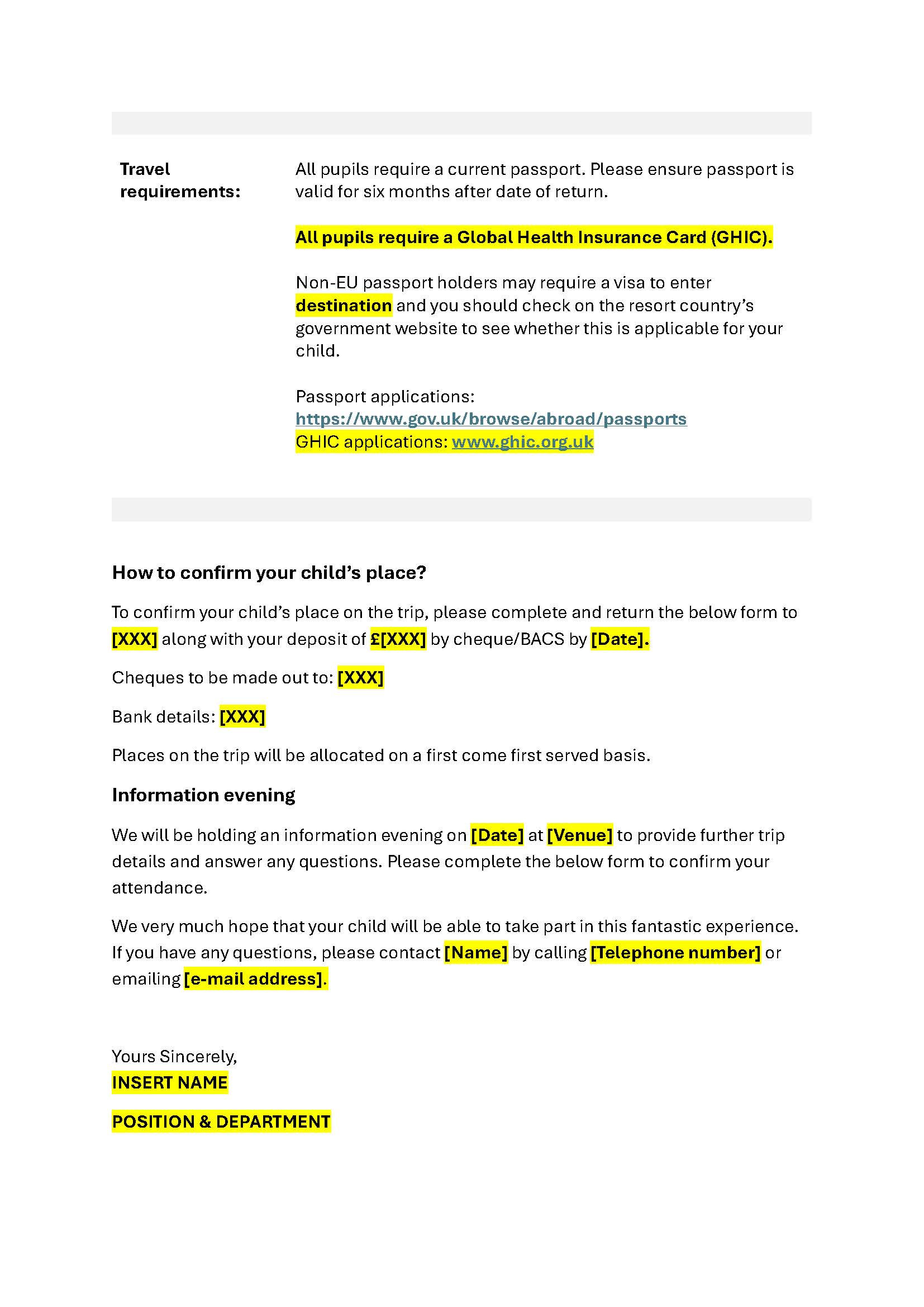
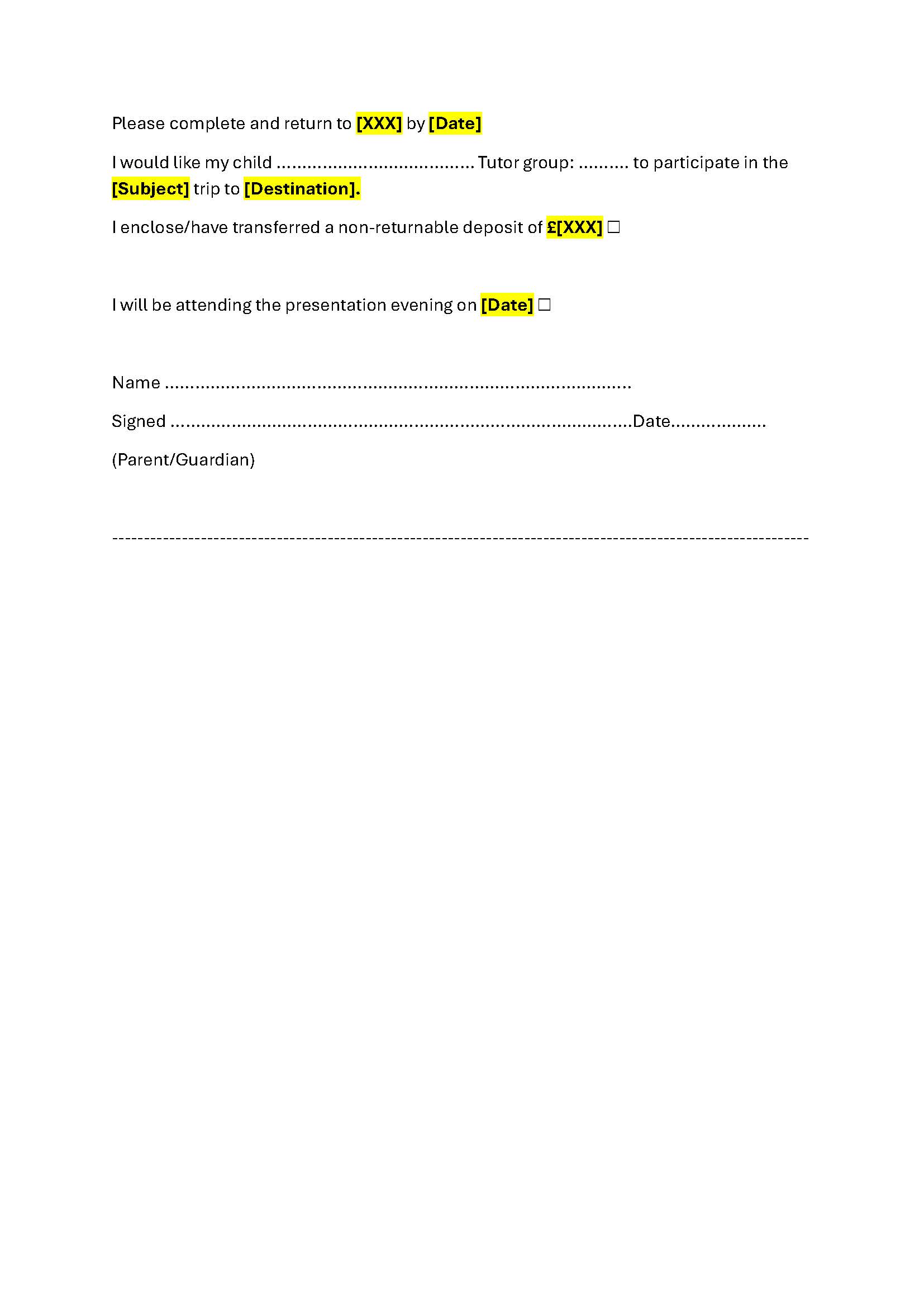
School trip letter template 

Not sure where to start? Use the template below as a starting point, adapting it to your school, destination, and trip arrangements. 


Final thoughts 

A good school trip letter gives parents the information they need to make an informed decision, while helping them see the educational value of the experience. 

By setting out the key arrangements, costs, supervision details, and next steps clearly, you can make the process more straightforward for families and help build enthusiasm for the trip.