Developing Cultural Awareness and Understanding
Learning a language and understanding its culture go hand in hand.
Language immersion trips give students the chance to experience the traditions, customs, food, history and everyday lifestyles of another country. This helps them understand the cultural context behind the language they’re studying.
These experiences also encourage curiosity, broaden perspectives and help students develop a greater understanding of the world around them.
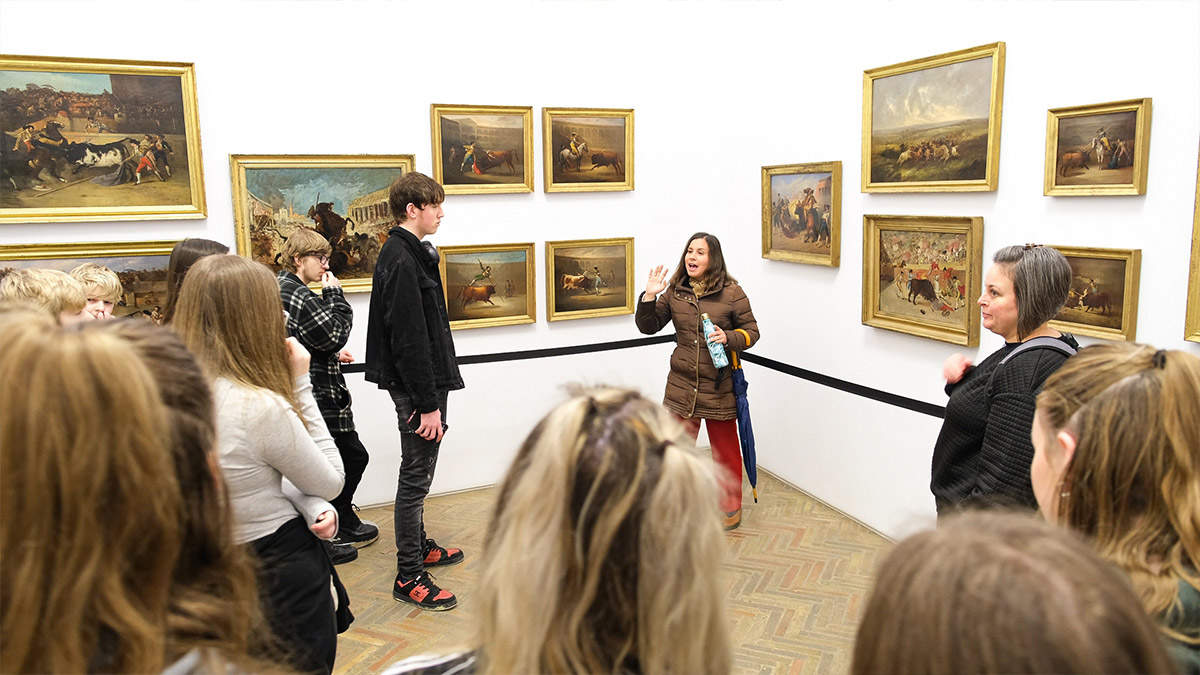
For teachers, this provides an excellent opportunity to bring cultural topics from the curriculum to life, giving students experiences they can draw upon in future lessons and discussions.
Bringing Classroom Learning to Life
Perhaps one of the biggest advantages of language immersion trips is the opportunity to connect classroom learning with real-world experiences.
Students spend hours learning vocabulary, practising grammar and preparing for speaking and listening assessments. However, visiting another country allows them to see how these skills work together in everyday situations.
Instead of simply learning how to ask for directions, they’ll have the chance to navigate a new city. Instead of studying food vocabulary, they’ll use it to order a meal. And rather than just reading about local traditions, they’ll experience them first-hand.
These opportunities can make language learning feel more relevant, engaging and rewarding.
They also give teachers a fantastic way to reinforce topics covered in lessons while encouraging students to become more enthusiastic about their chosen language.