School Travel Awards 2025 winner, Best Large School Tour Operator
School Travel Awards 2026 finalist, Best Large School Tour Operator

Setting the standard: 2025 winner and 2026 finalist for Best Large School Tour Operator at the School Travel Awards.

Christmas Around the German Speaking World: Festive Traditions to Explore with Your Students

Last updated: Nov 24th, 2026


Christmas is a magical time of year wherever you are in the world, but have you ever wondered how it’s celebrated across German-speaking countries?

From twinkling wooden markets and spiced gingerbread to mischievous Alpine folklore and candlelit Christmas Eve celebrations, the DACH region (Germany, Austria, and Switzerland) is practically the birthplace of many festive traditions we know and love today.

So, grab a warm mug of Kinderpunsch and join us on a festive journey through the German-speaking world!

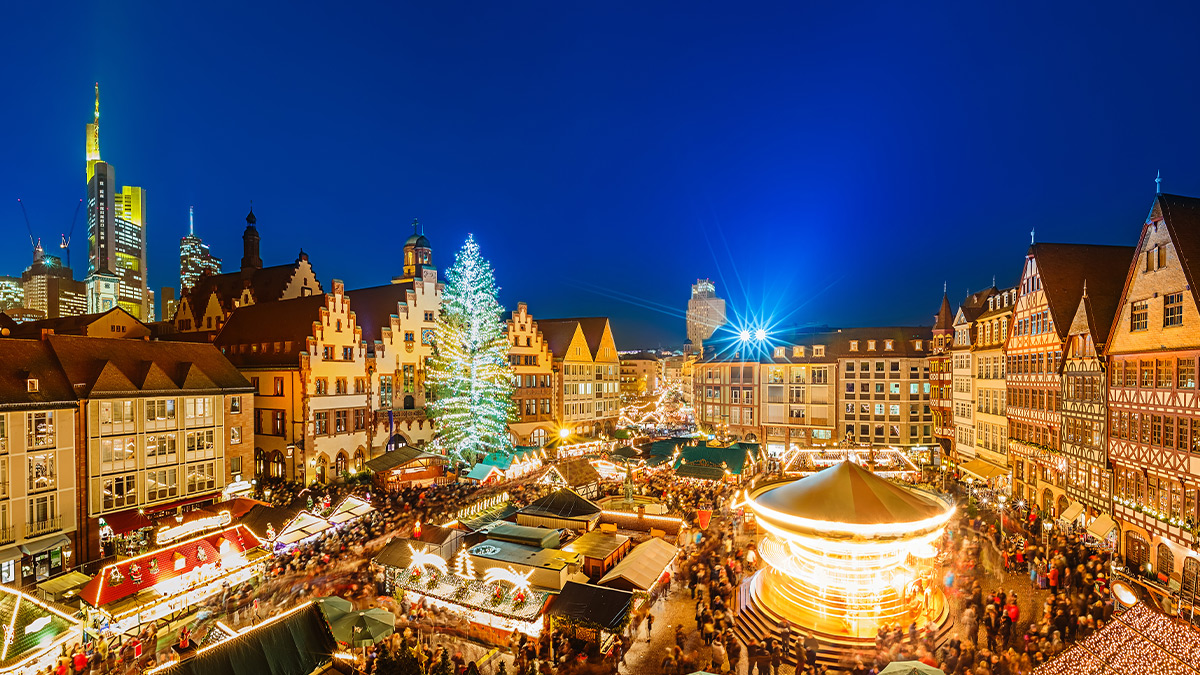
Germany: The home of the Christmas market

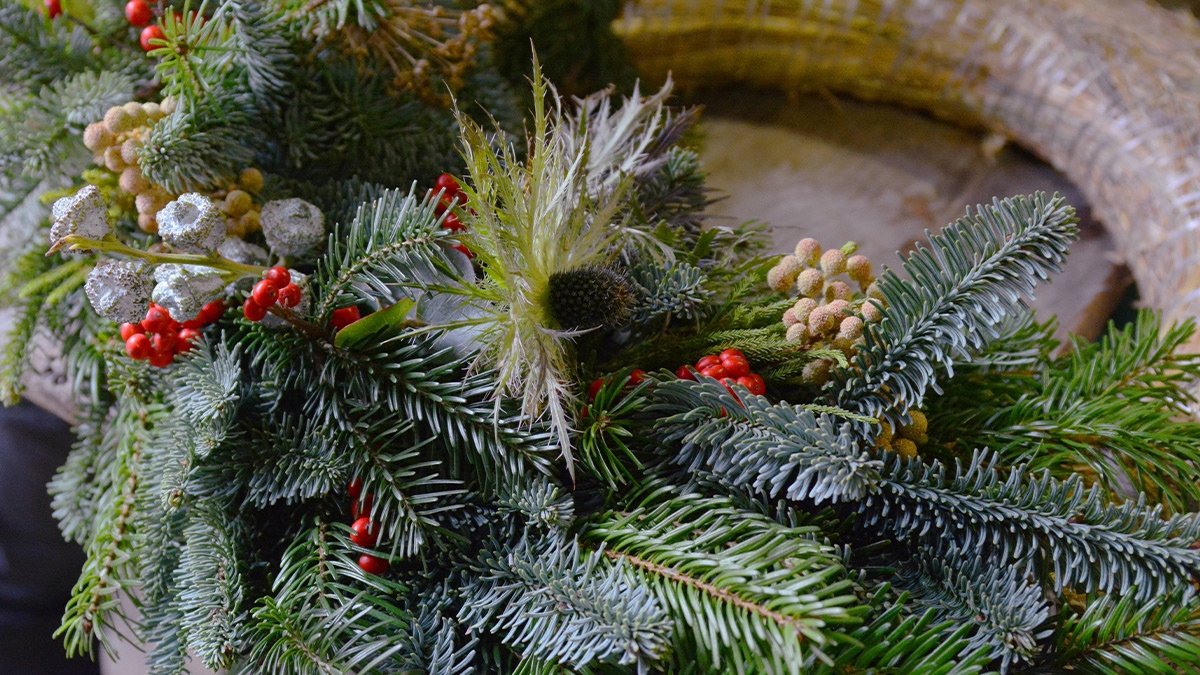
In Germany, the festive season truly kicks off with Adventszeit (Advent), featuring Advent wreaths with four candles, with one being lit on each Sunday leading up to Christmas, and chocolate-filled Advent calendars.

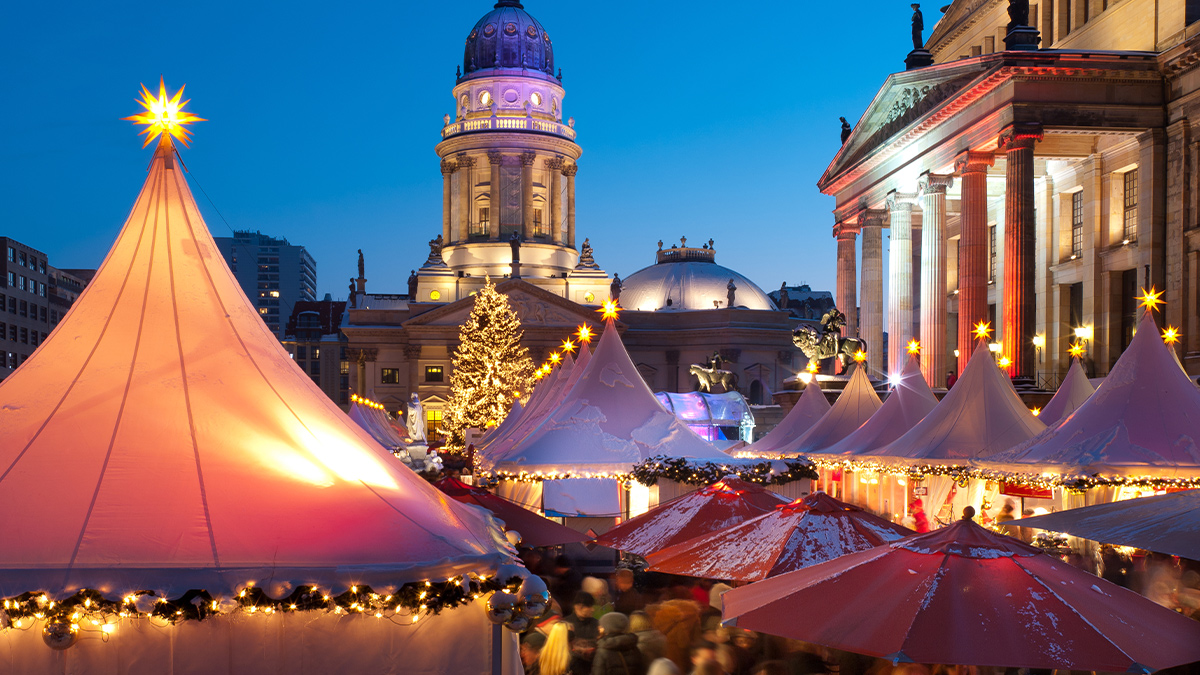
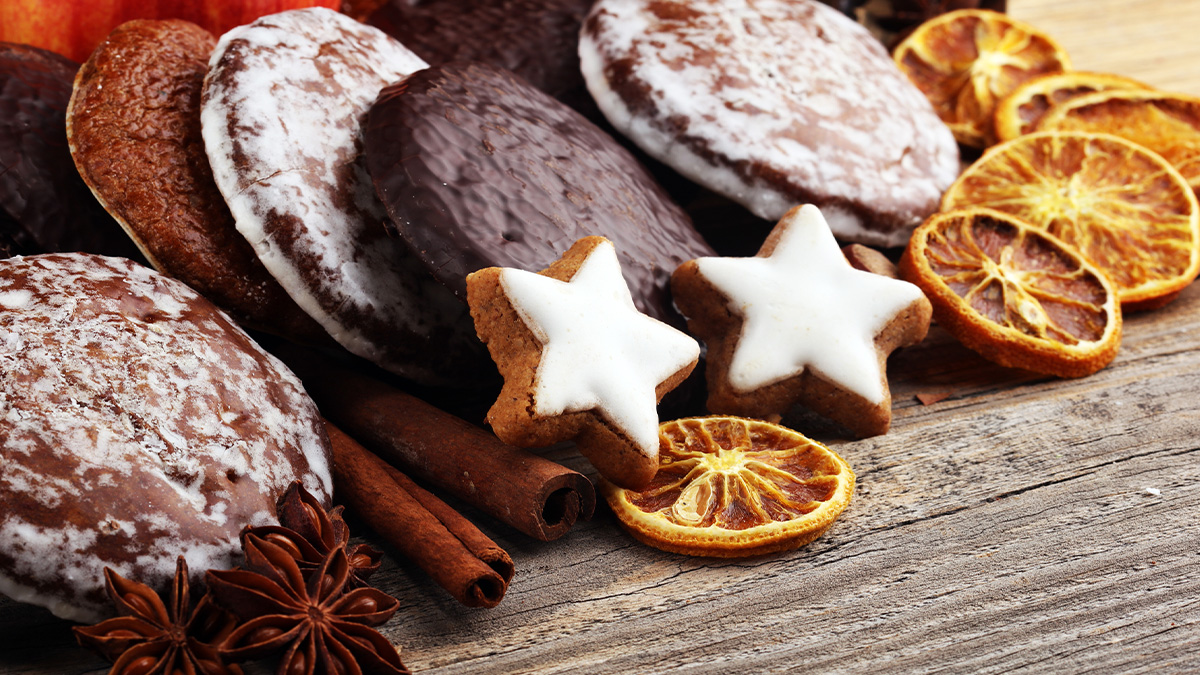
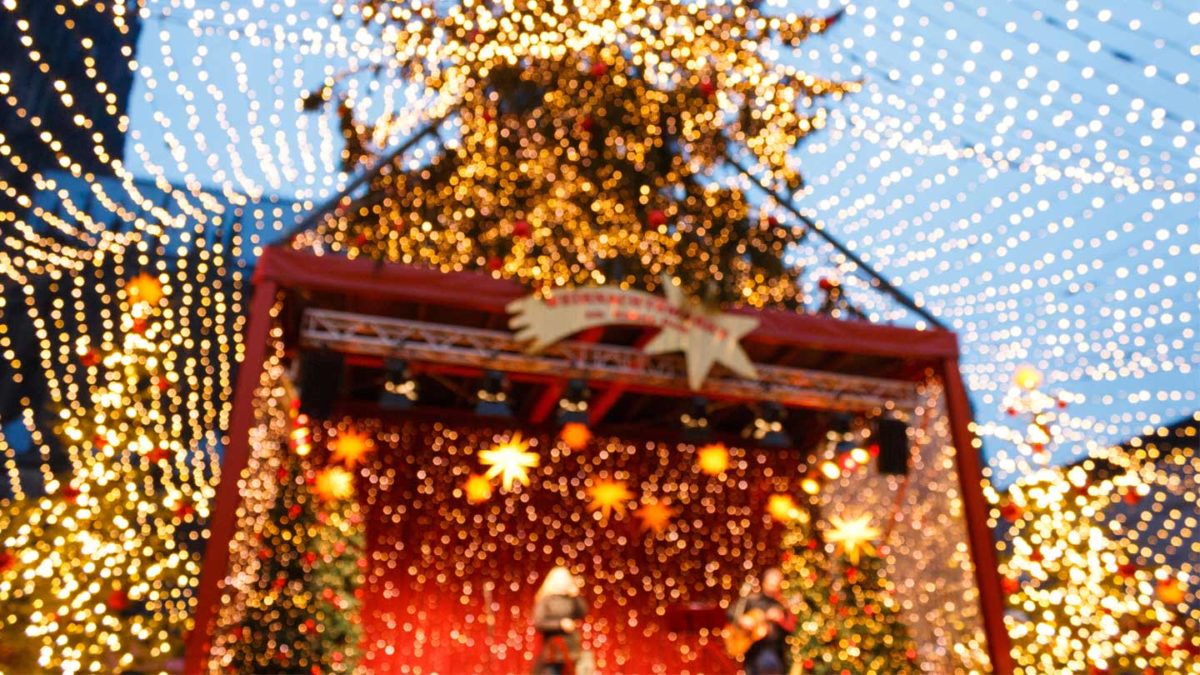
Germany is world-famous for its Weihnachtsmärkte (Christmas markets), which transform town squares into winter wonderlands filled with wooden stalls, twinkling lights, and the scent of roasted almonds. Unlike in the UK, the main celebrations take place on the evening of 24th December, known as Heiligabend (Christmas Eve). Families gather to decorate the tree, attend church, exchange presents, and enjoy a festive meal. Food is a massive highlight of a German Christmas. Families tuck into roasted goose (Weihnachtsgans) or potato salad with sausages on Christmas Eve, followed by sweet treats like Stollen (a rich fruit bread dusted with icing sugar) and Lebkuchen (traditional spiced gingerbread).

Austria: Alpine traditions and Krampus parades

In Austria, Christmas is a blend of cosy family traditions and dramatic Alpine folklore. One of the country’s most famous customs takes place on 5th December during Krampusnacht. While St Nicholas rewards well-behaved children with sweets and nuts, he is accompanied by Krampus, a half-goat, half-demon figure who clanks chains and bells through the streets to scare away bad behaviour! On Christmas Eve, Austrian children don’t wait for Santa Claus. Instead, presents are traditionally brought by the Christkind (the Christ Child), often depicted as a golden-haired, angel-like figure who leaves gifts under the tree while the family is out for a walk or at church.


Switzerland: Fondue, biscuits, and candle dipping

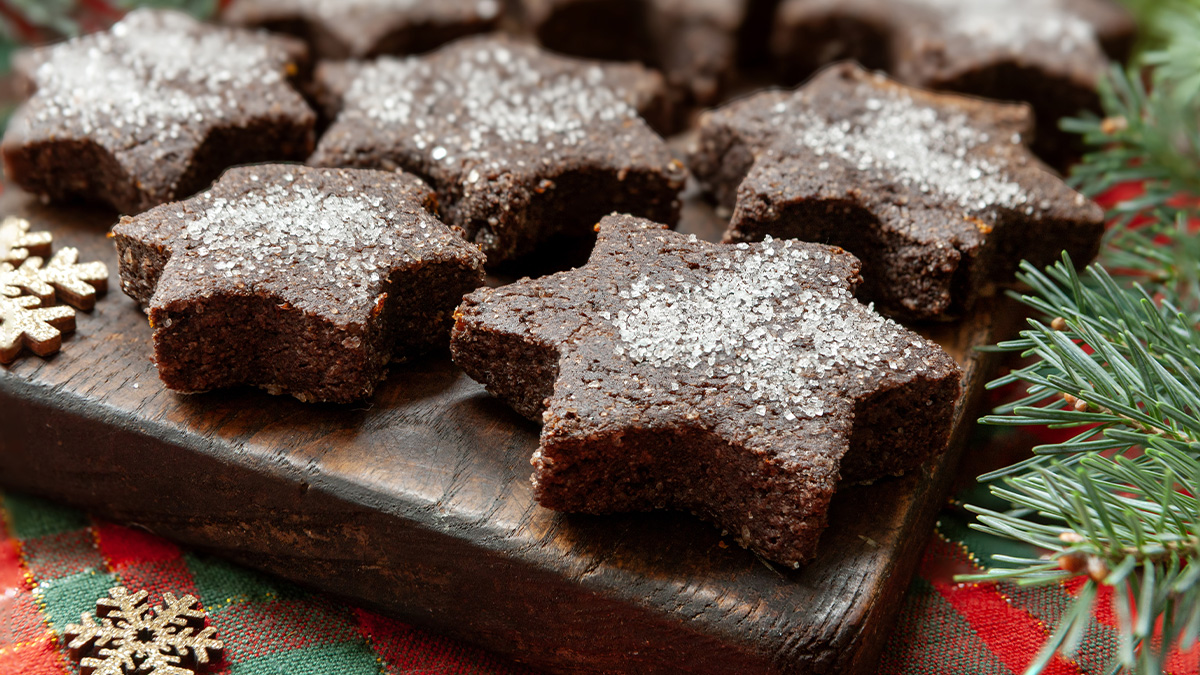
With four official languages, Christmas in Switzerland blends German, French, Italian, and Romansh influences into something uniquely Swiss. A beloved pre-Christmas tradition for Swiss schoolchildren is Kerzenziehen (candle dipping), where children repeatedly dip wicks into vats of colourful melted wax to create handmade candles as gifts for their families. Another classic custom is baking Weihnachtsguetzli (Christmas biscuits). Families spend December baking batches of Mailänderli (butter biscuits), Zimtsterne (cinnamon stars), and Brunsli (Swiss chocolate brownies) to share with visitors. When it comes to the main Christmas meal, many Swiss families opt for Fondue Chinoise. This is a festive variation of fondue where thin slices of meat are cooked in a simmering broth at the table and served with an array of sauces.

Liechtenstein: Small country, big festive spirit

Tucked between Austria and Switzerland, the tiny principality of Liechtenstein celebrates Christmas with cosy, close-knit community traditions. Just like in neighbouring Austria and Switzerland, the Christkind brings the presents on Christmas Eve, and families gather around real-candle-lit Christmas trees to sing carols before opening their gifts. Towns and villages host charming local Christmas markets, with the market in the capital, Vaduz, offering local crafts, hot chestnuts, and traditional festive music against a backdrop of snow-capped Alpine peaks.

South Tyrol (Northern Italy): Where Alpine meets Mediterranean

While located in northern Italy, South Tyrol (Südtirol) is a predominantly German-speaking region with rich Tyrolean Christmas traditions. Cities like Bolzano and Merano host some of the most picturesque Christmas markets in Europe, blending German-style wooden chalets and Glühwein with Italian festive flair. In South Tyrol, Nikolaustag (St Nicholas Day) on 6th December is a major event for children, who leave their boots outside their bedroom doors overnight hoping to find them filled with mandarins, nuts, and chocolates in the morning.


Bringing Christmas traditions into your German classroom

Exploring Christmas around the German-speaking world is a brilliant way to make language lessons more engaging in the run-up to the festive holidays. It’s also an opportunity to help students understand that learning German goes far beyond Germany’s borders—connecting vibrant regions across Central Europe, each with its own unique customs, food, and folklore. Here are a few ideas to get your students involved:

1. Create a festive country comparison Ask students to compare Christmas traditions in the UK with those in Germany, Austria, or Switzerland. They could explore who brings the presents (Weihnachtsmann vs. Christkind), what families eat, and why 24th December is the main event.

2. Design a German Christmas market stall Challenge students to design their own Weihnachtsmarkt They can create a menu of traditional food and drinks, price items in Euros, design signage in German, and pitch their stall to the class.

3. Test their cultural knowledge Create a festive quiz using the traditions featured in this blog. Can students match Krampusnacht to Austria, Kerzenziehen to Switzerland, or Zelten to South Tyrol? It’s a fun way to test their knowledge while encouraging them to discover more about the cultures behind the language.
Graphic of plane outline

Ready to give your students an experience they’ll remember?

Explore our school language trips to Germany or get in touch with our team to start planning your next language adventure.

After all, the best way to understand another culture is to experience it for yourself

Contact us