
SEND & Inclusive School Trips
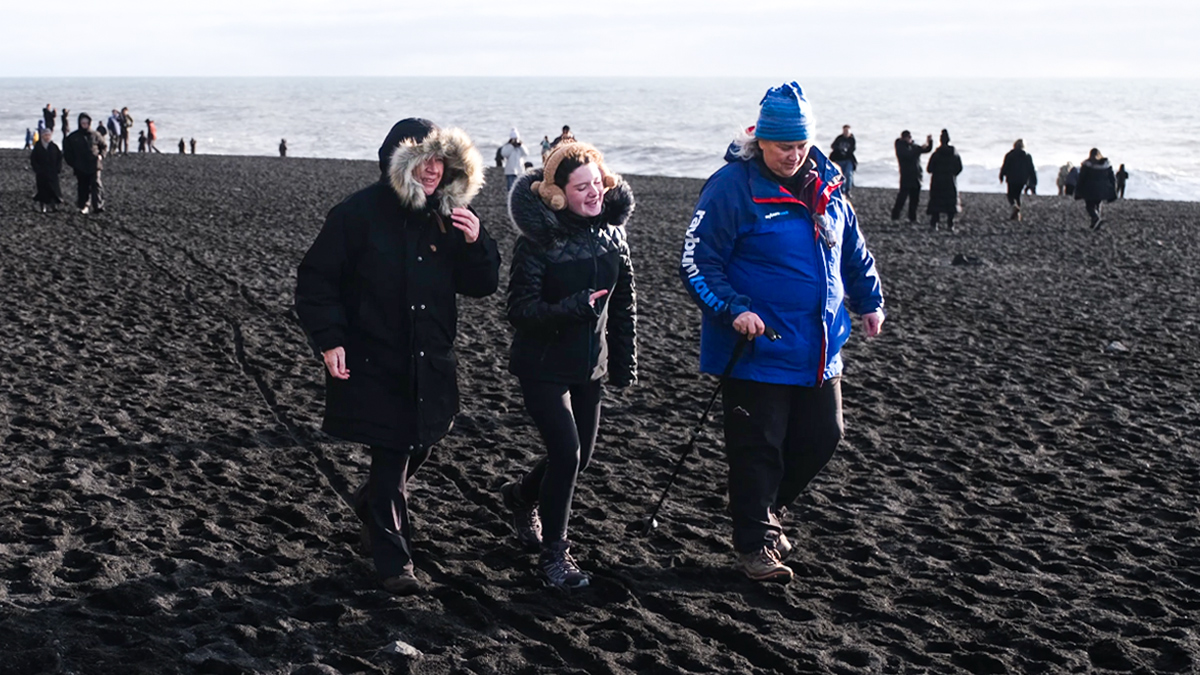
SEND & Inclusive School Trips
Every student deserves the opportunity to explore
Every student deserves the opportunity to experience learning beyond the classroom.
We understand that planning a school trip for students with additional needs can bring extra considerations. That’s why we take the time to understand your students, listen to your concerns, and work with you to find the best solution for your group.
Our dedicated team will aim to ensure that trips are as inclusive as possible, whether it’s building in extra recovery time between excursions or looking at wheelchair-accessible coaches.
Transparency is at the heart of what we do. If something can be adapted, we’ll explore how. If there are limitations, we’ll explain them clearly; if we think another option would work better, we will tell you.
Our goal is simple: to make the right trip possible for your students.
Trusted by schools to deliver safe, quality
educational travel




SEND travel starts with a conversation
Every student is different, so we believe the planning process should start with dialogue. We’ll work closely with the party leader, SENCo and relevant school staff to understand the needs of the students travelling – from mobility and medical requirements to sensory needs, anxiety and social confidence. The earlier we know what support is needed, the more we can do to help.
Together, we can look at things such as:
- How much downtime a student may need between excursions
- Whether quieter or lower-sensory activities would be more suitable
- The best times of day to visit busy attractions and avoid crowds
- Seating arrangements on coaches and aircraft, including keeping students together with a trusted adult where possible
- Accessible accommodation and transport requirements
- Dietary, allergy and medical considerations
- Whether additional adult or carer places are required
How we can support different needs
Autism, ADHD & sensory needs
Travel can feel very different for a student experiencing anxiety or other social and emotional needs.
We can work with you to consider:
- Flexible daily schedules
- Built-in rest and recovery time
- Lower-pressure activities
- Smaller group options where available
- Quieter venues or visiting attractions outside peak times
- Clear information about what students can expect
The right approach will depend on the students travelling, which is why we’ll always talk this through with you rather than assuming what will work.
Social, emotional & mental health needs
Busy environments, unfamiliar place, and packed schedules can be challenging for some students. Small changes to a trip can make a big difference.
Depending on the individual student, we can explore:
- Extra downtime between excursions to help reduce fatigue and overwhelm
- Lower-sensory activities or quieter alternatives
- Visiting popular attractions at quieter times
- Building flexibility into the itinerary
- Keeping students together with a trusted adult when arranging seating
- Visual guides and social stories to help students understand what to expect
Where helpful, we can create a visual social story using photographs and information about key parts of the trip – such as the accommodation, coach, airport and excursions.
This could include what the environment looks like, where toilets are located, what the check-in and security processes involve, and what students can expect when they arrive.
Our aim is to make the unfamiliar feel a little more familiar before students leave home.
Physical & mobility needs
Accessibility can vary significantly between destinations, hotels, coaches and excursions.
We’ll ask the right questions early in the planning process and work with our suppliers to understand what facilities are available.
This can include looking at:
- Wheelchair-accessible transport.
- Where helpful, we can create a visual social story using photographs and information about key parts of the trip – such as the accommodation, coach, airport and excursions.
- This could include what the environment looks like, where toilets are located, what the check-in and security processes involve, and what students can expect when they arrive.
- Our aim is to make the unfamiliar feel a little more familiar before students leave home.
We’ll be honest about limitations.
Not every coach has space for every wheelchair, and not every hotel or excursion is fully accessible. Some properties may have only one accessible room, while others may have steps or other restrictions that could make them unsuitable.
Rather than making assumptions, we’ll discuss the options with you and work to find the most suitable solution available.
How EVOLVE Advice provides practical support for
school leaders and SENCos
EVOLVE Advice supports schools to make educational visits accessible to all pupils through early planning, appropriate risk management and reasonable adjustments. Its Educational Visits Advisers provide training, advice and guidance to help schools navigate inclusion challenges.
Expert insight from Ambitious About Autism
Ambitious about Autism is the national charity supporting autistic children and young people to learn, thrive and achieve. The charity works with autistic young people and those who support them to build evidence of what works, deliver services and influence change.
What are the most important things teachers should consider when planning a trip
for SEND pupils?
Alison Elliott, Education Training Consultant at Ambitious About Autism, states that,
“all SEND pupils are unique, with their own skills, talents and support needs. Individual needs should be considered from the very start of planning.”
So, teachers may want to consider:
- Where does the pupil need support?
This could include communication, visual aids or sensory needs. - What does the pupil already use successfully in school?
Existing adjustments can often be adapted for use on school trips. - What adjustments would help?
Consider each stage of the trip and involve the young person and their parents or carers where possible. - What can the venue offer?
Contacting venues in advance can help identify available adjustments and any potential barriers.
Why is it important that young people with additional needs have opportunities to travel and take
part alongside their peers?
Travelling to new places and taking part in trips alongside peers can provide valuable opportunities for young people with additional needs.
New environments and activities can help build confidence, develop skills and strengthen relationships with peers and school staff. Inclusive trips can also help young people develop a genuine sense of belonging within their school community.
Planning a trip?
Are you planning a trip specifically for a SEND group or student and need help with accessibility adjustments?
Our award-winning team is here to listen, understand your students’ individual needs and explore what’s possible. From accessible transport and accommodation to quieter activities, additional support and practical adjustments, we’ll work with you to find the right solution for your group.
Get in touch with our team today to start the conversation.