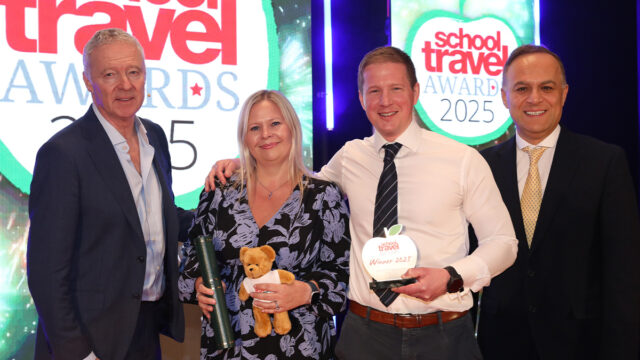
We’re celebrating, having won the School Travel Awards – Best Large School Tour Operator award!

New UK Entry Rules for Dual Nationals: What School Groups Need to Know

Last updated: Feb 11th, 2026


From 25 February 2026, new UK entry rules for dual British and Irish nationals will come into effect – this is a vital update that may impact upcoming school and group trips abroad.

These changes are part of the UK’s wider Electronic Travel Authorisation (ETA) system, and whilst they won’t affect most British travellers, they do matter for schools and groups that include students or staff with dual nationality. Understanding the rules early will help ensure a smooth journey for everyone, so read below to find out more.

What are the rules before the change?

If you’re travelling before 25 February 2026, the rules for entering the UK are more flexible:

  • Dual British citizens can travel to the UK on a non-UK passport without an ETA or a Certificate of Entitlement.

What’s changing from 25 February 2026?

From this date, UK border checks will be stricter for dual nationals. To enter the UK as a dual British or Irish citizen, travellers must present one of the following:

  • A valid British OR Irish passport
  • A valid passport from another country with a Certificate of Entitlement.

Other documents will NOT be accepted, including:

  • Old or expired passports
  • Alternative photo ID

Without one of the approved documents, travellers may not be allowed to enter the UK.

Who is impacted by this?

Dual British citizens include:

  • People born in the UK who later gained another nationality
  • People who become British through naturalisation or registration
  • People who have held dual nationality since birth

For groups travelling with Rayburn Tours, this can apply to students and accompanying adults, so early checks are essential.

?>

If you are a group leader, I suggest adding one simple question when collecting passport details from your group members: ‘Does anyone hold a British or Irish passport as well as another nationality?’ If yes, make sure they plan to travel with their British or Irish passport.

Silvia Avvertenza, Senior Operations Manager


What is a Certificate of Entitlement?

A certificate of entitlement is a digital certificate linked to your non-UK passport; it confirms that you have a right of abode in the UK.

Please note that you will need to apply for a new certificate when your passport expires, and you cannot get a certificate if you already have a British passport OR a valid certificate of entitlement in another foreign passport.

The certificate costs £589 (as of 25 February 2026 – subject to change), and you can apply online on the UK government website. Please find the form here.

For most, applying for or renewing a British passport is a cheaper alternative.

Costs to be aware of

When planning ahead, it’s helpful to be aware of the costs (current expenses as of 25 February 2026 – subject to change):

  • Adult British passport (online): £94.50
  • Child British passport (online): £61.50
  • Overseas applications cost slightly more
  • Certificate of Entitlement: £589

Starting the process early can help groups avoid last-minute stress.

What does this mean for school groups?

For schools travelling to the UK, these changes highlight the importance of:

  • Identifying dual-national students and staff early
  • Checking passports and documentation well in advance
  • Giving families clear, practical guidance on what’s required

With the right preparation, these changes don’t need to disrupt your plans.

Heart graphic formed of two hands shaking with fingers visible

We’re here to help!

At Rayburn Tours, we support schools at every stage of trip planning, including navigating changes like this. If you’re unsure how the new rules may affect your group, our team will be happy to advise and help you prepare with confidence.

Get in touch

FAQs


Does this new rule apply to British dual citizens who are leaving the UK and travelling abroad?

No – please note that this rule is only applicable for British dual citizens who are entering the UK, NOT leaving the UK. Still ensure that all passengers in your group have the correct documentation for the country they are visiting – for further guidance, please get in touch with our team!


Are non-British dual citizens affected by this change?

No – this new rule doesn’t apply to those who hold dual citizenship to other countries. For example, if you hold both French and Japanese citizenship, you will not be affected. Only British and Irish dual citizens are impacted by this change.


How do I know if a student/passenger is a dual citizen?

It is recommended to check with a student’s parent or guardian to confirm this, as a pupil may not know.


I only have one passport and I’m not British or Irish. Am I affected?

No. If you are not a British or Irish citizen, and you only hold one foreign passport, these changes do not affect you. You should continue to follow the standard UK entry requirements for your nationality (for example, whether you need a visa or ETA).


I’m a dual national (British or Irish). What exactly is changing?

From 25 February 2026, dual British or Irish citizens must carry specific proof of their British or Irish citizenship when travelling to the UK.

You will need one of the following to board your transport and enter the UK:

  • A valid British passport, or
  • A valid Irish passport, or
  • A non-UK passport with a Certificate of Entitlement to the Right of Abode


I’m a dual national (British or Irish). Can I still travel on my non-UK passport like I used to?

No. Previously, some dual citizens could travel on their non-UK passport and prove their British status if asked. From 25 February 2026, this will no longer be permitted.


Do dual nationals need to apply for an ETA?

No. British and Irish citizens remain exempt from the ETA requirement. However, because dual nationals cannot apply for an ETA using their second passport, they must carry a valid British/Irish passport or Certificate of Entitlement so their exemption can be recognised.

Related Articles

Airport check in sign

European Entry and Exit System (EES)

Planning a school trip to Europe? Discover how the new European Exit System (EES) affects your group travel.

Aviva-Graphic-banner

The Perfect Insurance Plan for You

To make sure you've covered for the unexpected on your trip, we chatted to the people in the know about keeping your tour insured.

School Travel award winners 2025

Rayburn Tours Wins Best School Tour Operator (Large) 2025!

Rayburn Tours celebrates 60 years with a 2025 School Travel Award, recognising our commitment to impactful, high-quality educational trips.