We’re a finalist in the 2026 School Travel Awards! We’d love your vote.

Vote now

Ercall Wood Academy School History Trip to Munich

Last updated: Jul 6th, 2026


Before Berlin became the centre of Nazi Germany, Munich was where it all began. Known as the ‘capital of the movement,’ Munich is where the Nazi Party planted the seeds of a catastrophic ideology that would plunge the world into one of the deadliest conflicts in human history. Through rallies, a failed coup, and propaganda used throughout the city, the Nazi Party grew in numbers, which ultimately led to a path of destruction.

26 students and 6 adults from Ercall Wood Academy School embarked on a school history trip to Munich to gain deeper insight into why and how Hitler became a dictator by exploring the events that increased his power and the growth of his political movement. Looking at the causes and effects of this key moment in history, the students also learned about the devastating impact it had on political prisoners, Jewish people and other minority communities, which also led to the formation of resistance groups such as the White Rose, who will be forever remembered for standing against tyranny.
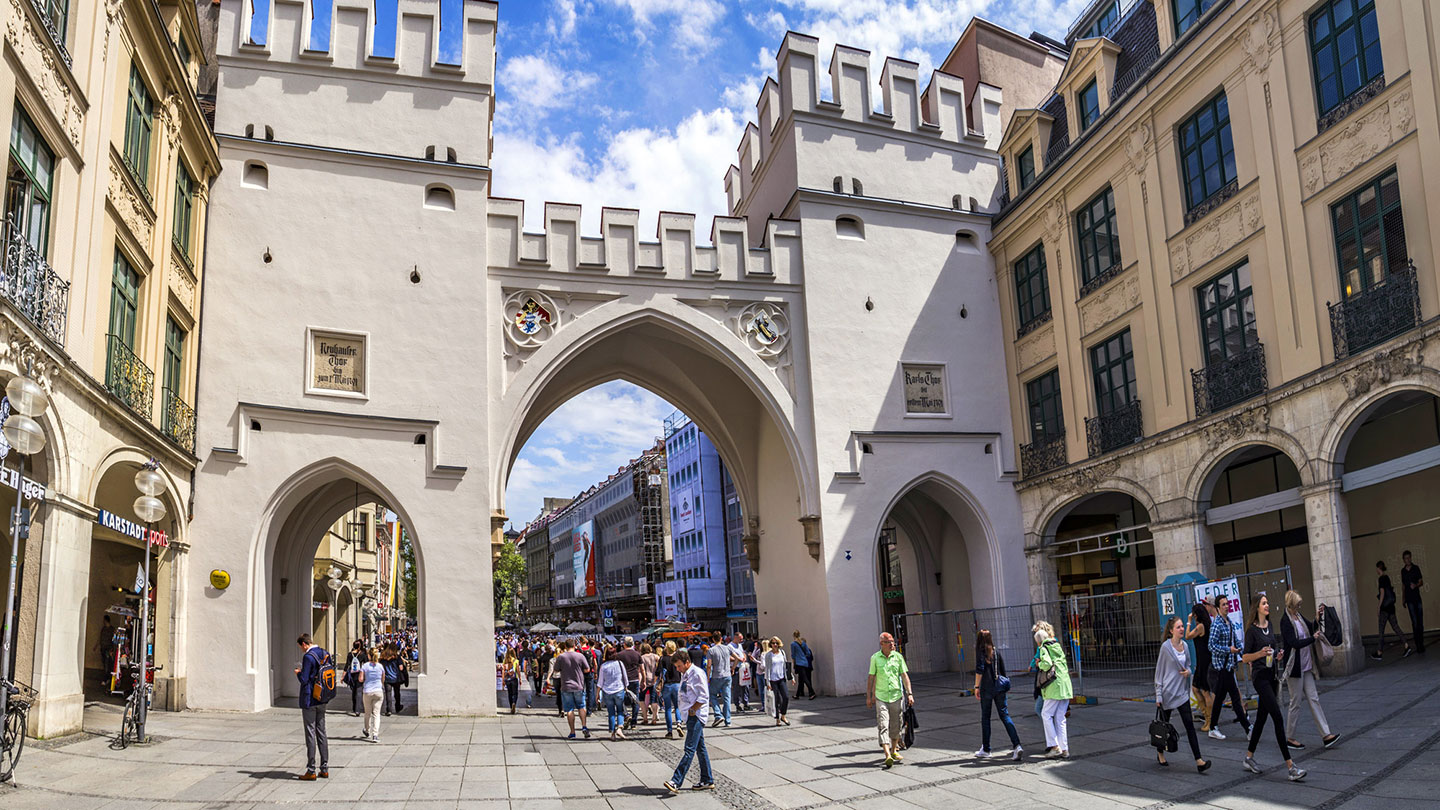
A walk through the beginning of the Third Reich

The group’s journey to Munich began bright and early with a 6:15 am flight from London Gatwick Airport, and just two hours later, they arrived in the vibrant capital city of Bavaria, also known as the birthplace of the National Socialist German Workers’ Party.  Once they checked into the hotel and took public transport to the city centre, they embarked on a guided walking tour of Munich’s Third Reich sites.

Tracing the steps of key locations used in Hitler’s rise to power, such as the infamous beer halls where Hitler held early meetings to discuss his ideas, the Nazi Party headquarters and the resistance memorial sites, the students discovered how the early party leaders manipulated economic and political grievances after the First World War to their advantage. They discovered how a small fringe movement grew into a complete dictatorship through visits to key historical sites and exhibitions exploring the role of propaganda.

Munich Walking Tour

From remembrance to recreation

On the second day, the students visited Dachau, the first concentration camp established by the Nazi regime in 1933, only a few weeks after Hitler had been appointed Reich Chancellor. Here, students uncovered how the camp was set up to imprison those who opposed the regime and later became a model for all concentration camps, and a training ‘school of violence’ for SS members who were deployed to other camps during this time. As the tour progressed, students learned about the atrocities committed against the prisoners and the terror they experienced daily.

The memorial site was a harrowing reminder of the lives lost due to the Nazi regime, and walking the ‘Path of the Prisoners’, with photographs, original artefacts, and documents, gave students an opportunity to feel the weight of history in a deeply personal way. It transformed events from textbook paragraphs into a tangible reminder of the human cost of persecution and dictatorship.

After an intensely emotional start to the day, the students headed off to the Olympia shopping centre for some lunch and free time before a guided tour of the Allianz Arena, a must-visit for football lovers visiting Munich! Home to the world-famous Bayern Munich, this tour offered students a behind-the-scenes look into the press conference room, changing rooms and pitch-side areas, while learning about the stadium and players.

Exploring Nazi propaganda to international justice

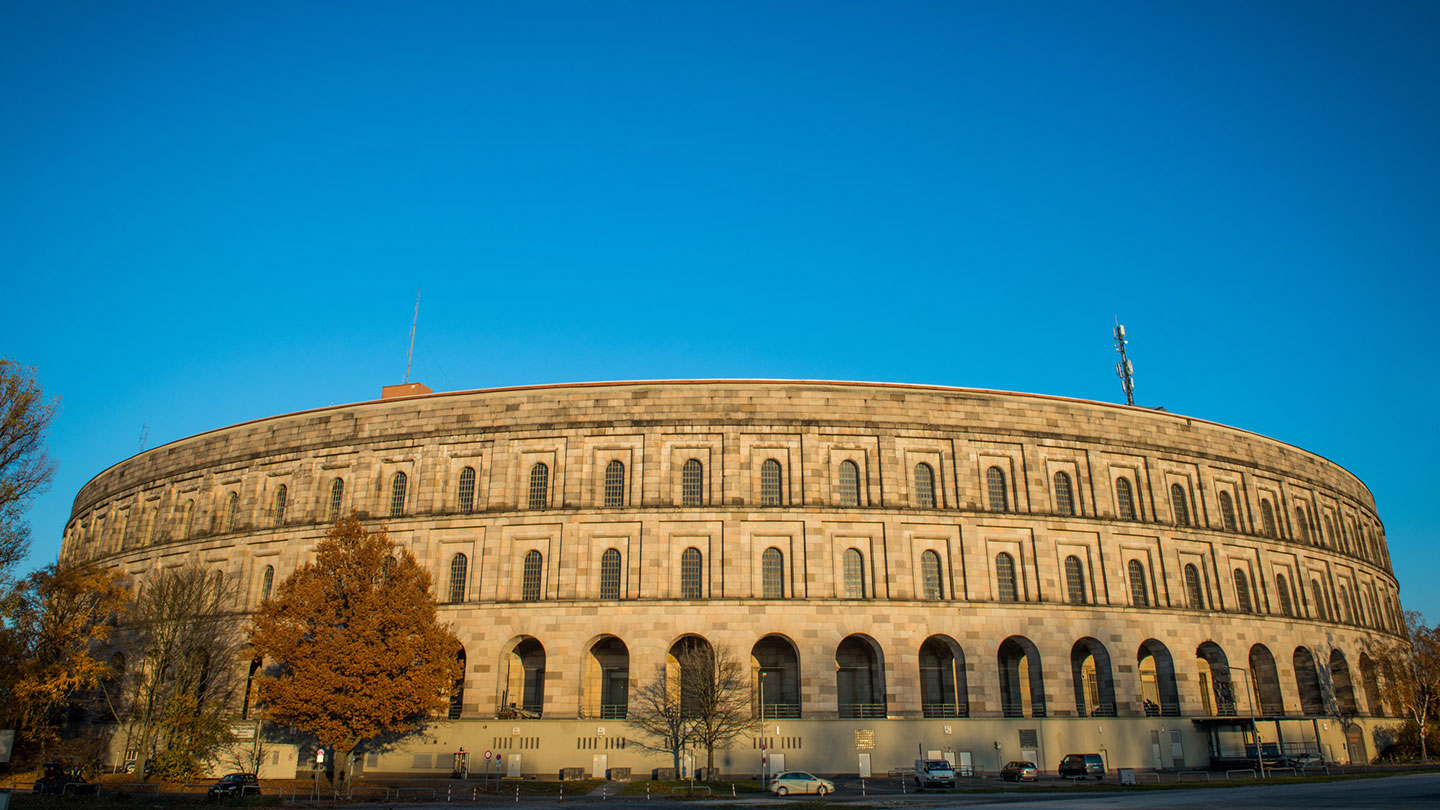
On the third day, the group arrived at the Nuremberg Documentation Centre and Nazi Rally Grounds, which examined the propaganda used during the Nazi uprising through interactive displays, audio guides and exhibitions. The students witnessed the sheer scale of the site where the Nazi Party staged mass rallies and spread their ideology to a crowd of 30,000 in the early years and eventually attracted crowds of more than 700,000 people.

The day continued with lunch in Nuremberg’s city centre and exploring some of its key sites, such as the Hauptmarkt, the city walls, Handwerkerhof and the Imperial Castle.

?>

“When we arrived in Nuremberg, our bus driver suggested we should see the castle, so he drove us to the top of the city where the old castle looks down upon the city. It was an incredible view; we took group pictures in the sunshine overlooking a beautiful old German city, and at this point, it all felt perfect.”

Joseph Costidell

Nuremberg Documentation Centre


In the afternoon, the group ventured to the Memorium Nuremberg Trials, a museum located in the Palace of Justice, dedicated to the Nuremberg trials which took place from 1945 to 1946. Here, the students stood in Courtroom 600, where leading Nazi officials were tried for their crimes during the Second World War. The museum exhibitions highlight the major war criminals, the historical backgrounds, defendants, prosecutors and the course of the trials, as well as subsequent trials and the legal prosecution of Nazi crimes from 1946 to 1949.

Exploring resistance, propaganda and power

The final day began with a visit to the Munich Documentation Centre for the History of National Socialism, located on the grounds of the ‘Brown House’, the former NSDAP headquarters. The students critically examined the origins, impacts and consequences of the political movement to the present day.

They explored how, where and why the ideologies came about through exhibitions of photographs, documents, and film, showcasing the rise of the Nazi regime and Nazi ideology throughout German society. The visit encouraged students to reflect on the importance of historical understanding and how ideologies and propaganda can be used to inflict persecution, intolerance and extremism.

In the afternoon, the group made their way to the White Rose Memorial exhibition, a permanent display in the main atrium of the University of Munich, commemorating the non-violent student resistance movement that courageously and publicly opposed the Nazi regime between 1942 and 1943. The exhibition and interactive media installations provided students with an in-depth insight into the group’s motivations to resist the Nazi regime, their activities and the messages within their leaflets.

This powerful memorial site preserves the bravery of the small group of university students and a professor who stood against fascism, inspiring the youth to stand up for human rights and freedom. Learning about the group and how they actively questioned the party’s ideologies shows today’s students the vital role of critical thinking, as well as the dangers of conformity and propaganda without critical evaluation.

The lasting impact of a school history trip to Munich

A school history trip to Munich is essential when learning about the rise of the Nazi Party and its origins, from the Beer Hall Putsch and Dachau Concentration Camp to the historic city of Nuremberg; students will get the full picture of how the Nazi regime gained momentum through visits to key Third Reich sites across the city. Each visit offers students the opportunity to think more critically, evaluate different sources in their historical context and reflect on the social, political and economic factors that enabled Hitler’s rule.

It’s trips like these that reinforce the importance of keeping history alive, as well as introducing them to new cultures. Not only do students get to explore the past in an immersive and meaningful way, but they get to discover new destinations and expand their horizons, helping them become more informed and thoughtful historians. They develop empathy, critical thinking and a deep understanding of the human stories and the diverse perspectives that shape our world.

?>

“Munich is a beautiful city but full of history; for History, Dachau was a real standout moment, and the students felt the full force of this experience. In terms of language, the centre of Nuremburg had a German market which was really authentic, and students had a great time speaking to the locals in the market area.”

Joseph Costidell

Related Articles

History guide and pupils at Hooge Crater Museum, Ypres

Bringing History to Life: The Tools and Techniques Behind Our Successful Trips 

Bringing History to Life: The Tools and Techniques Behind Our Successful Trips History is not just about the past, it’s also vital in understanding our…

Classroom vs Real World Learning: Why History Trips Win

Classroom vs real world learning: discover why school history trips win.

Upton Court Grammar school gathered for a group photo in Max Joseph Platz in front of the Max Joseph monument

Upton Court Grammar School’s History Tour

Over the years, we have been fortunate enough to regularly work with some incredible schools, and Upton Court Grammar School are one of them! They…