We’re celebrating, having won the School Travel Awards – Best Large School Tour Operator award!

School Trip Checklist for Teachers in the UK

Last updated: Nov 10th, 2026


Taking students on a school trip comes with plenty of responsibilities, and as the trip leader, it’s important to make sure nothing gets overlooked.

From keeping track of students and managing group activities to handling unexpected situations, having a checklist to hand can make the experience much easier.

We’ve put together this practical school trip checklist to help teachers and accompanying staff stay organised, keep students safe and make the most of their time away.


Students walking towards brandenburg gate in the sun on a busy day


1. Staff responsibilities and supervision

Before setting off, make sure every member of staff understands their responsibilities and knows what is expected of them throughout the trip.

For guidance on staff ratios, see our blog here.

  • Confirm all accompanying staff are present. 
  • Allocate staff to specific student groups. 
  • Agree who is responsible for each group.  
  • Make sure staff have access to relevant student information. 
  • Confirm supervision arrangements for free time and independent activities. 
  • Establish a system for regular headcounts. 
  • Agree designated meeting points. 
  • Ensure staff understand the school’s safeguarding procedures. 
  • Brief accompanying volunteers on their responsibilities. 
  • Make sure everyone knows who is leading the trip and who is acting as deputy. 

If you’re still working through the wider planning process, take a look at our guide on how to plan a school trip, which covers everything from initial ideas to getting your trip ready to go.


2. Student welfare and safeguarding

Looking after students’ welfare is one of the most important responsibilities when travelling away from school. Make sure individual needs are considered and that students know who to approach if they need help.

  • Check that relevant medical information is accessible to the appropriate staff. 
  • Confirm arrangements for administering medication. 
  • Ensure required emergency medication is available. 
  • Check that staff understand any allergies or dietary needs. 
  • Make sure students know which staff members they can approach for support. 
  • Remind students of expected behaviour and conduct. 
  • Establish clear boundaries around free time and independent exploration. 
  • Agree arrangements for toilet visits and changing facilities. 
  • Make sure students understand what to do if they become separated from the group. 
  • Monitor students’ wellbeing throughout the trip. 

It’s also important that staff are familiar with the risk assessment and the control measures in place for the visit. If you need a refresher, our School Trip Risk Assessments: A Practical Guide for Teachers explains how to identify potential hazards and put appropriate safety measures in place.


British Passport


3. Important documents and information to carry

Although much of the trip paperwork will have been completed before departure, the trip leader should make sure essential information is readily accessible throughout the visit.

  • Student register and group lists. 
  • Staff contact details. 
  • School emergency contact information. 
  • Relevant medical and allergy information. 
  • Medication records, where applicable. 
  • Copies or access to relevant travel documents. 
  • Trip itinerary and activity schedule. 
  • Venue and accommodation contact details. 
  • Insurance and assistance information. 
  • Details of the tour operator’s emergency support service, where applicable. 


How Rayburn Tours can help

Keeping track of all your important travel information doesn’t have to be a challenge. With Vamoos, a digital travel app, you can bring essential tour information together in one convenient place. From itineraries and travel details to important documents, having information readily accessible can make managing your trip much easier.

Find out more about why every school trip leader needs Vamoos in their toolkit.


4. What to pack in the trip leader’s bag

It’s always useful to have a small bag of essentials with you. You never know when you might need something unexpected!

  • First aid kit. 
  • School mobile phone. 
  • Portable phone charger. 
  • Printed student register. 
  • Staff contact list. 
  • Pens and notebook. 
  • Tissues and hand sanitiser. 
  • Spare carrier bags. 
  • Water bottle. 
  • Weather-appropriate clothing. 
  • Any required medication. 
  • High-visibility clothing, where appropriate. 


5. Managing the trip while away

Once you’ve arrived, it’s time to put the plans into action. Staying organised and communicating clearly with staff and students will help the trip run smoothly.

  • Complete a headcount whenever the group changes location. 
  • Make sure students understand the day’s schedule. 
  • Remind students of meeting points and timings. 
  • Keep staff informed of any itinerary changes. 
  • Check students are appropriately supervised during activities. 
  • Monitor punctuality and attendance at scheduled activities. 
  • Make sure students have opportunities for food, water and rest. 
  • Be aware of changing weather or environmental conditions. 
  • Keep communication open between staff. 
  • Record and report any accidents, incidents or near misses. 

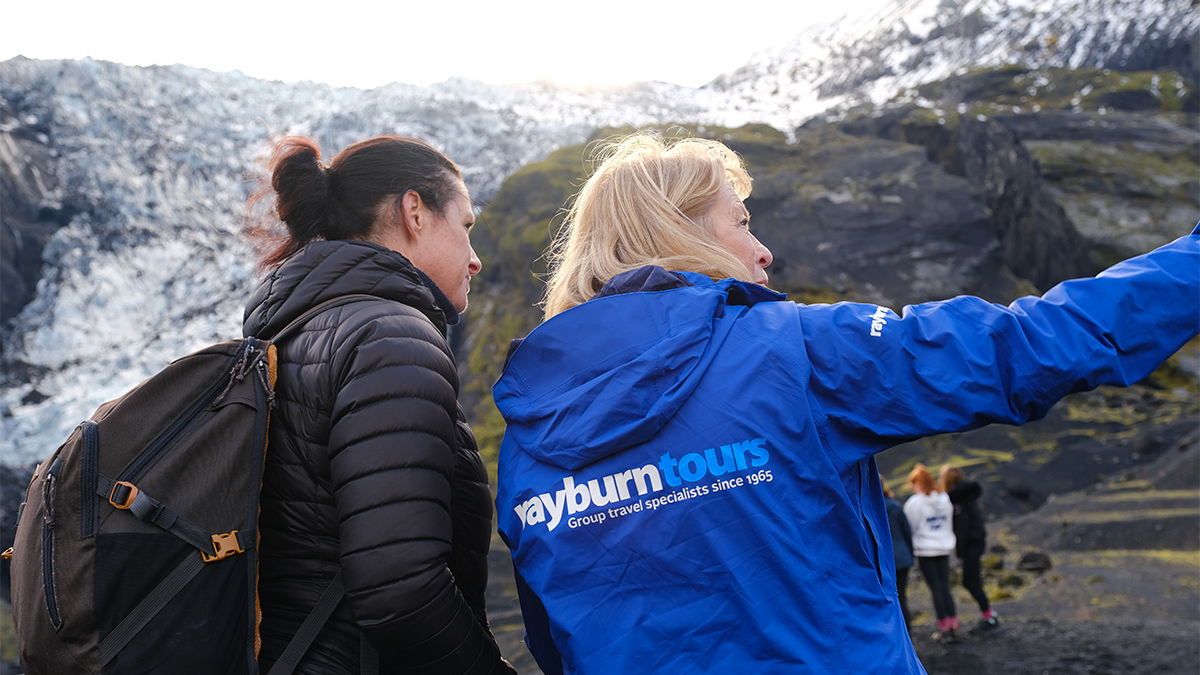
Val Vannet, Field Study Tutor for Rayburn Tours, speaks with a student at a glacier.


6. Making the most of your Tour Manager

If your tour includes a Rayburn Tours Tour Manager, they’ll be an important point of support throughout your time away. From helping coordinate the day’s activities to assisting with practical arrangements, they can help take some of the pressure off teachers. 

To get the most out of having a Tour Manager:

  • Introduce accompanying staff and establish key contacts. 
  • Run through the day’s itinerary and timings together. 
  • Confirm meeting points and arrangements for excursions. 
  • Discuss any changes to the schedule. 
  • Let them know about any practical concerns or issues. 
  • Make use of their local knowledge and experience. 

Having someone familiar with the destination and tour arrangements on hand can make a real difference, giving teachers an extra layer of support while they focus on their students and the experiences ahead.


7. If something unexpected happens

Even the best-planned trips can encounter unexpected challenges. Having a clear response plan will help staff act calmly and appropriately.

  • Know who to contact in an emergency. 
  • Ensure all staff know the agreed emergency procedures. 
  • Know how to contact the school and tour operator’s support team. 
  • Follow the school’s procedures if a student becomes unwell or injured. 
  • Follow the agreed missing-student procedure if a student cannot be located. 
  • Keep an accurate record of any incidents. 
  • Inform the appropriate school contact of significant developments. 
  • Keep parents and carers informed through the agreed school communication process. 
  • Follow the school’s procedures for any changes to the planned itinerary. 

If you’re travelling with Rayburn Tours, you’ll also have access to our 24/7 tour support service. So, should an unexpected issue arise, you’ll know there’s someone available to help.


8. Returning home

The trip might be coming to an end, but there are still a few important things to remember before handing responsibility back to parents and carers.

  • Check all students are present before leaving the venue. 
  • Complete a register before boarding transport. 
  • Ensure all student belongings are collected. 
  • Check no school equipment or essential documents have been left behind. 
  • Complete a final register on arrival back at school. 
  • Ensure students are collected or dismissed in accordance with school procedures. 
  • Report any outstanding welfare or safeguarding concerns. 
  • Complete any required accident or incident reports. 
  • Return medication and school equipment. 
  • Share any important feedback with the school and relevant colleagues. 

Once you’ve returned, it’s worth sharing feedback with your dedicated Rayburn Tours coordinator. Your thoughts can help us understand what worked well and what could be improved, helping us make your next school trip even better.


Make your next school trip a success

Taking students away from the classroom is a fantastic opportunity to bring learning to life, build confidence and create experiences they’ll remember for years to come.

While there’s plenty for teachers to think about, being organised and having a practical checklist to hand can help make the experience more manageable.

And remember, you don’t have to manage everything alone. When travelling with Rayburn Tours, our team is here to help make your tour as smooth and enjoyable as possible.

For more advice and inspiration to help make your next school trip a success, explore our school travel blogs.