We’re celebrating, having won the School Travel Awards – Best Large School Tour Operator award!

Bringing History to Life: Mercia Academy’s First World War Battlefields Trip

Last updated: Sep 3rd, 2026


A school history trip to the World War One Battlefields is filled with immersive learning experiences that bring the past to life. From historic battlefields and preserved trenches to poignant memorial sites and interesting museums, every visit provides students an insight into the realities of life on the Western Front.

Here, students can walk in the footsteps of soldiers from across the globe who fought side by side in Ypres and the Somme. They can discover what daily life was like in the trenches, explore the development of medical treatment and hear the personal stories of those who served, fought and sacrificed during the First World War.

 Mercia Academy took 40 Year 9 students on a school history trip to the World War One Battlefields, giving them the opportunity to connect their classroom learning to the places and people at the centre of the conflict. Here’s what Mr Paul Galloway, SENDCO and teacher of History, had to say about their school history trip to the Battlefields.
Was there a moment during the trip where you thought, “this is exactly why we did this”?


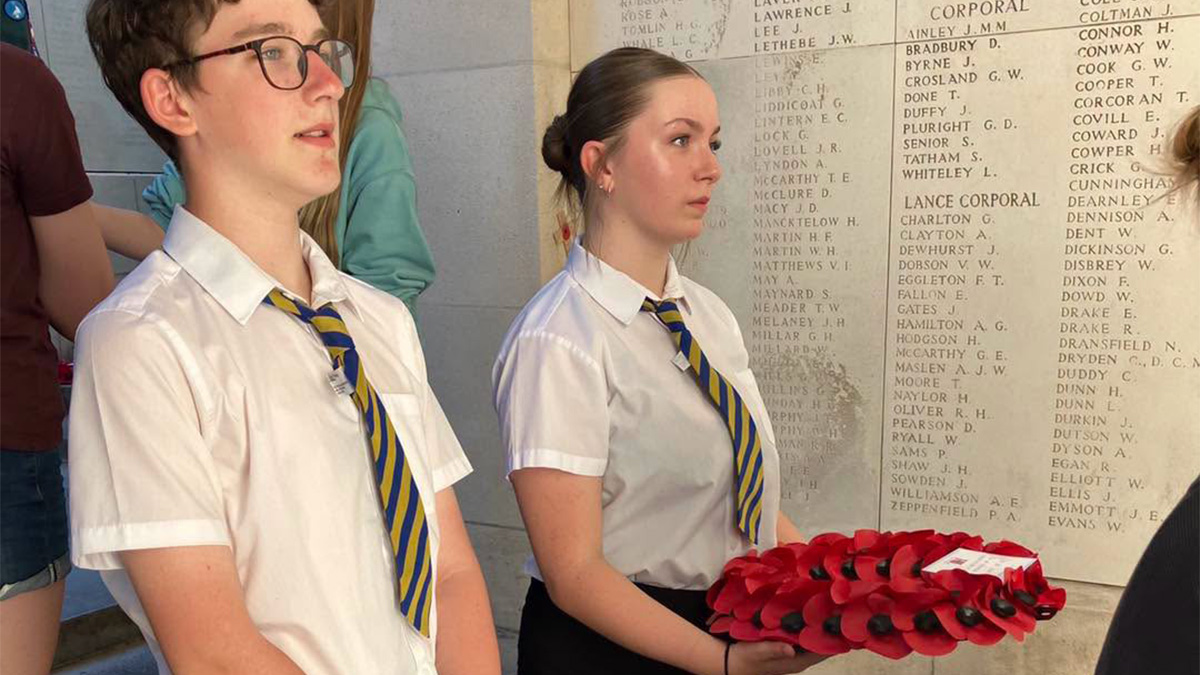
There were several moments, but the one that stands out most was our students’ participation in the Menin Gate Last Post Ceremony. Watching them stand beneath the names of thousands of missing soldiers, taking part in such a moving act of remembrance, was incredibly powerful. The respect and maturity they showed demonstrated just how much they had taken from the experience.

Another defining moment was seeing students at sites such as Tyne Cot Cemetery, Newfoundland Memorial Park, Lochnagar Crater, and the Thiepval Memorial, where they moved beyond simply learning historical facts and began to understand the human stories behind them. Many commented on how different it felt to actually stand where these events happened rather than read about them in a classroom.

As teachers, we realised that this was exactly why we had organised the trip. History had become real for our students, and they were developing a much deeper understanding of the sacrifice, courage and human cost of war.

What did the team at Rayburn Tours do to make things easier, smoother, or less stressful than expected?


From the initial planning stages through to our return home, the Rayburn team were professional, supportive and highly organised. Given that this was a four-day international trip beginning with a 2:30am departure, having confidence in the organisation was extremely important.

The itinerary was well planned, allowing us to visit a wide range of significant sites while maintaining a manageable pace for students. Accommodation, transport and bookings all ran smoothly, which allowed staff to focus on the educational experience rather than logistical concerns.

One of the biggest strengths of the trip was the quality of the History Guide provided. Their knowledge, enthusiasm and storytelling brought every location to life. Whether at Vimy Ridge, Langemark, Thiepval or the Somme battlefields, they helped students make meaningful connections between the places we visited and the people who experienced them. They were able to adapt information for our students, answer questions and ensure that every stop had real educational value.

The overall organisation and communication from Rayburn meant that staff felt supported throughout, making the trip far less stressful than it might otherwise have been.


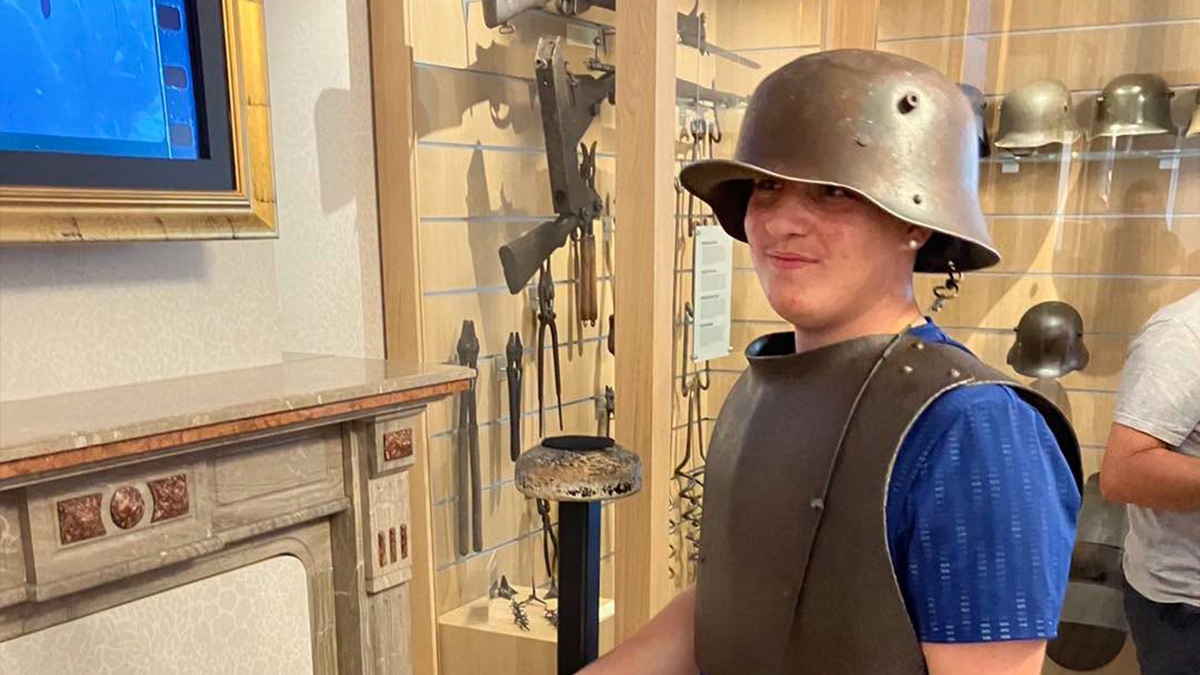
Mercia Academy Student in WW1 Gear


Why would you recommend the destination you visited to other schools/groups?


The First World War battlefields of Belgium and France provide one of the most powerful educational experiences available to young people. The combination of museums, memorials, cemeteries and preserved battlefield landscapes creates learning opportunities that simply cannot be replicated in the classroom.

During our tour, students visited sites including In Flanders Fields Museum, Passchendaele Memorial Museum, Tyne Cot Cemetery, Langemark German Military Cemetery, Vimy Ridge, Lochnagar Crater, Ovillers Military Cemetery, Thiepval Memorial, Newfoundland Memorial Park and the Menin Gate Last Post Ceremony. Each site offered a different perspective on the conflict and together they created a comprehensive understanding of the First World War.

The educational impact was significant. Students developed a greater understanding of history, remembrance and citizenship while also building independence, resilience and empathy. The experience gave them opportunities to reflect on the consequences of conflict and appreciate the sacrifices made by previous generations.

For our Year 9 students moving into Year 10, the trip was especially valuable as preparation for their GCSE Medicine Through Time course. Visiting the battlefields helped them understand the realities of battlefield injuries, evacuation procedures, trench conditions and the medical challenges that led to important advances in surgery and treatment. These first-hand experiences will provide context that can be drawn upon throughout their GCSE studies.

Overall, we would highly recommend a Battlefields Tour to any school. It is an unforgettable experience that successfully combines academic learning, personal development and remembrance, leaving students with memories and understanding that will stay with them long after the trip has ended.


How does this trip help classroom teaching?


The Battlefields trip has provided our students with a range of valuable learning experiences that will continue to be developed once we return to school. The visit brought history to life in a way that cannot be replicated in the classroom, allowing students to engage directly with the places, stories and individuals connected to the First World War.
Back in school, students will reflect on their experiences through classroom discussions, written work and presentations, helping them to deepen their understanding of the historical significance of the sites visited. The trip has also helped to develop important transferable skills including observation, critical thinking, empathy, teamwork and independent enquiry, all of which will support their wider academic studies.

For our current Year 9 students moving into Year 10, the trip will be particularly valuable as they begin their GCSE Medicine Through Time course. Visits to sites such as military cemeteries, memorials and battlefield locations have provided first-hand context for understanding the development of medical treatment during wartime. Students have seen examples of how injuries were sustained on the Western Front and gained a greater appreciation of the challenges faced by medical personnel, including the evacuation and treatment of wounded soldiers. These experiences will help them make meaningful connections when studying topics such as trench medicine, developments in surgery, infection control, and the impact of war on medical advancement.

We also intend to use students’ photographs, reflections and research from the trip as learning resources for future lessons and assemblies, enabling them to share their knowledge with younger students. In this way, the impact of the visit will extend beyond those who attended, contributing to a wider appreciation of remembrance, historical understanding and the importance of learning from the past.


Why do you choose to run an international school history trips?


Although organising a trip of this scale requires a significant investment of time and responsibility, the educational and personal benefits for our students make it incredibly worthwhile. As teachers, we are always looking for opportunities to take learning beyond the classroom, and a Battlefields visit is one of the most powerful ways to do that. Students can experience history in a way that simply cannot be replicated through textbooks, videos or classroom discussion. Standing in the trenches, walking through the cemeteries and memorials, and seeing the battlefields for themselves creates a level of understanding and emotional connection that transforms their learning.

The trip also provides students with opportunities to develop as young people. They build independence, resilience, confidence and social skills while learning to represent their school with maturity and respect. It is particularly rewarding to see students reflect thoughtfully on the sacrifices of previous generations and gain a deeper appreciation of remembrance and citizenship.

From an academic perspective, the visit provides rich experiences that support future learning across the curriculum. For our Year 9 students moving into Year 10, the trip gives invaluable context for their GCSE studies, particularly in Medicine Through Time, where they will examine the impact of warfare on medical developments, battlefield injuries, evacuation procedures and advances in treatment. Having seen the conditions of the Western Front first-hand, students are much better placed to understand the challenges faced by soldiers and medical personnel.

Perhaps most importantly, these trips create memories that last a lifetime. Watching students make connections, ask insightful questions, and genuinely engage with the history around them reminds us why experiences like this matter. Seeing the impact the visit has on their understanding, perspective and personal development makes all the planning and hard work worthwhile.

Line graphic of trainers

From the textbooks to where history was made, discover our school history trips

With our expertly planned, curriculum-linked school trips, our aim to help you create an unforgettable educational experience that ignites interest and a passion for keeping history alive.

Speak to our team today and let the historical adventure begin.

Get in touch

Related Articles

Classroom vs Real World Learning: Why History Trips Win

Classroom vs real world learning: discover why school history trips win.

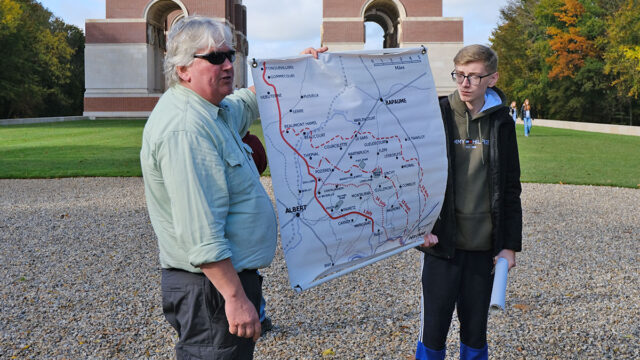
History Tour Guide and students hold map of Western Front with Thiepval Memorial

Brilliant Things You Can Do to Enhance Your WW1 & WW2 History Tour

With a helping hand from 2 talented History Tour Guides, we've come up with brilliant things you can do to enhance your WW1 & WW2…

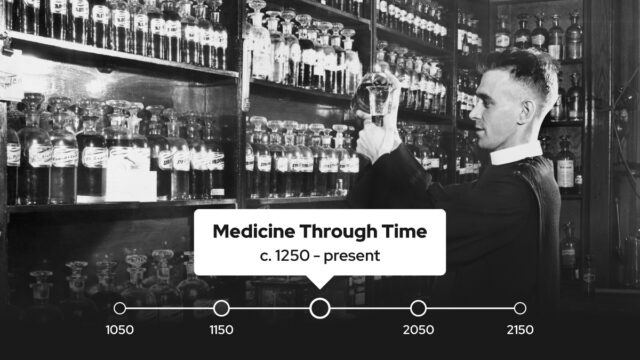
Explore Medicine Through Time: School History Trip to London

Discover how medicine transformed from medieval remedies to life-saving breakthroughs on a school history trip to London.