We’re celebrating, having won the School Travel Awards – Best Large School Tour Operator award! Read more

Geography Trips: Do You Choose the Place or the Purpose?

Last updated: May 22nd, 2026


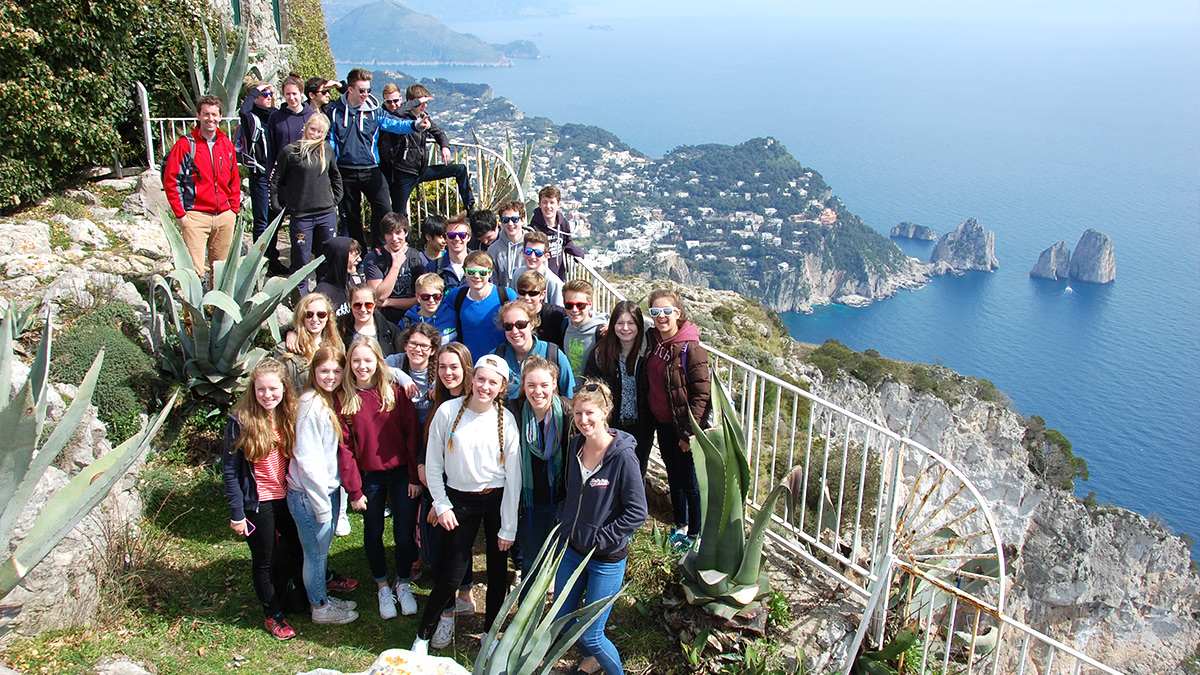
Geography field trips are often the most memorable part of a student’s education. From witnessing glaciers in Iceland to exploring historical landmarks in Italy, these experiences bring classroom learning to life. But behind every successful trip lies an important question: do teachers choose the destination first, or the learning objectives?

After speaking with several geography teachers, it became clear that there is no single approach. Some teachers prioritise familiarity with a location, others begin with curriculum goals, while many combine both ideas.

Discover more below…
 

Some Teachers Prioritise the Destination

For many teachers, the destination comes first. Schools often return to the same places each year because familiarity makes organising trips easier and more reliable. Teachers already know the area, have established itineraries, and possess resources such as photographs, videos, and previous fieldwork examples that can be used during preparation lessons.

Recommendations from other teachers can also heavily influence decisions. Several teachers mentioned choosing destinations after hearing positive experiences from colleagues or tour providers. In this sense, professional networks and shared expertise play an important role in shaping geography fieldwork.

Alan Parkinson, Field Study Tutor and Head of Geography at King’s Ely Prep, explained that returning to the same destination also allows trips to evolve over time.

?>

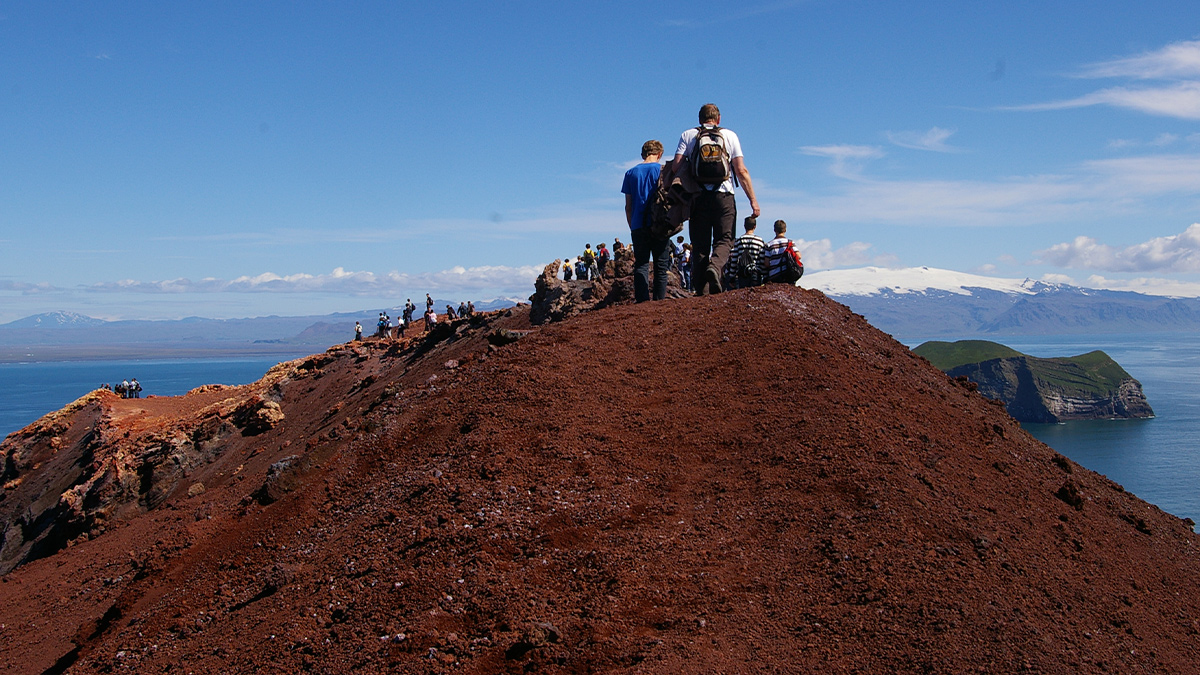
As teachers, we like to go back to places that we know, due to familiarity, and the trips may also evolve over time. For example, there are constant changes like new buildings when you visit a city. Geography is constantly changing, meaning teachers can compare archived photographs with the present-day landscape. Iceland, for example, provides opportunities to study glacial retreat and environmental change using images collected over many years of visits.

Alan Parkinson, King's Ely Prep

Others Begin with the Learning Objectives

In contrast, some teachers believe the educational purpose of the trip should come first. Matt Bird, Head of Geography at Bromsgrove School, explained that he starts by deciding exactly what he wants students to gain from the experience before choosing a location.

This approach treats fieldwork as an extension of classroom learning, ensuring that trips are designed around purposeful educational outcomes rather than simply exciting travel opportunities.

?>

I pick the learning objective first – I want to see the mix of historical sites, natural wonders, and small towns where students can interact with locals and speak the country’s language.

Matt Bird, Bromsgrove School

Many Teachers Combine Both Approaches

Most teachers, however, described geography trip planning as a balance between destination and objective. Paul Greenhalgh, teacher at the Royal Grammar School, explained that he looks for places that are unfamiliar to students regardless of their background, creating a shared sense of discovery. He felt Iceland worked particularly well because relatively few students had visited it before, meaning everyone experienced the destination with a fresh perspective.

At the same time, Paul also linked destination choices closely to the curriculum.

?>

Glaciation and tectonic landscapes in Iceland appear in both the GCSE and A-Level curriculums, so students can apply classroom knowledge to real environments. So, I want to ensure that a school trip is a purposeful experience, but it should also create a sense of awe and wonder.

Paul Greenhalgh, Royal Grammar School

Helen Sail, Field Study Tutor at Rayburn Tours, shared a similar view, describing geography trip planning as ‘a little bit of both.

?>

You want that ‘WOW’ factor, and you have to make sure the trip links to the specification. It can be easier to justify the trip to the parents and the school, as the curriculum links are especially important.

Helen Sail, Field Study Tutor

Jill White, a teacher based in St. Andrews, also highlighted practical considerations that influence planning decisions. She noted that visa restrictions for international students can affect destination choices, showing that geography fieldwork is shaped not only by educational aims but also by accessibility and logistics.

Sicily

Final Thoughts

Ultimately, there is no single correct way to plan a geography trip. Some teachers tend to prioritise familiar destinations because of the resources, experience, and reliability they provide, while other educators start with a clear learning objectives before selecting a suitable location.

Successful geography trips balance practical planning with meaningful educational experiences, whilst also giving students opportunities to experience places that inspire curiosity and wonder.

Plan Your Geography School Trip With Rayburn Tours!

Feeling inspired to embark on a geography adventure with your students? Get in touch with our award-winning team – from 24/7-on tour support to tailor-made itineraries that suit your group’s needs, your school trip will be unforgettable!

Chat with our specialist staff today!

Contact us