We’re celebrating, having won the School Travel Awards – Best Large School Tour Operator award!

5 World War One Sites in Belgium That Leave a Lasting Impression

Last updated: Nov 3rd, 2026


Ypres battlefield tours provide students with a  profound insight into what life was like on the Western Front. From the dreadful conditions in the trenches and the warfare tactics and medical advancements, to the personal experiences of soldiers and the importance of remembrance, these trips can bring history to life and help students connect with the past.

As with many periods of history, learning about the people who lived through these events and the harrowing conditions they endured can be emotional and deeply impactful. Preserving their stories and remembering their experiences are essential to understanding the past and it’s influences on the world today.

On a school history Ypres battlefields tour, these five sites will leave a lasting impression on students and their education.
 

1. Tyne Cot Cemetery and Memorial

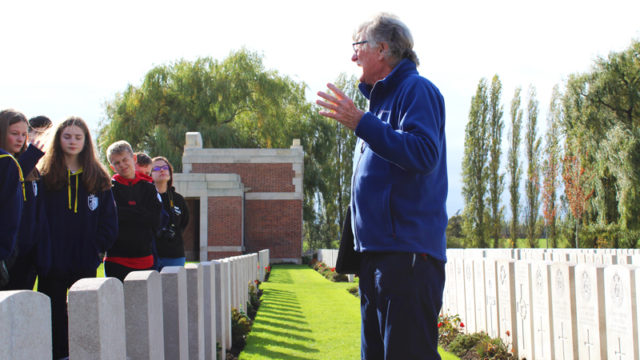
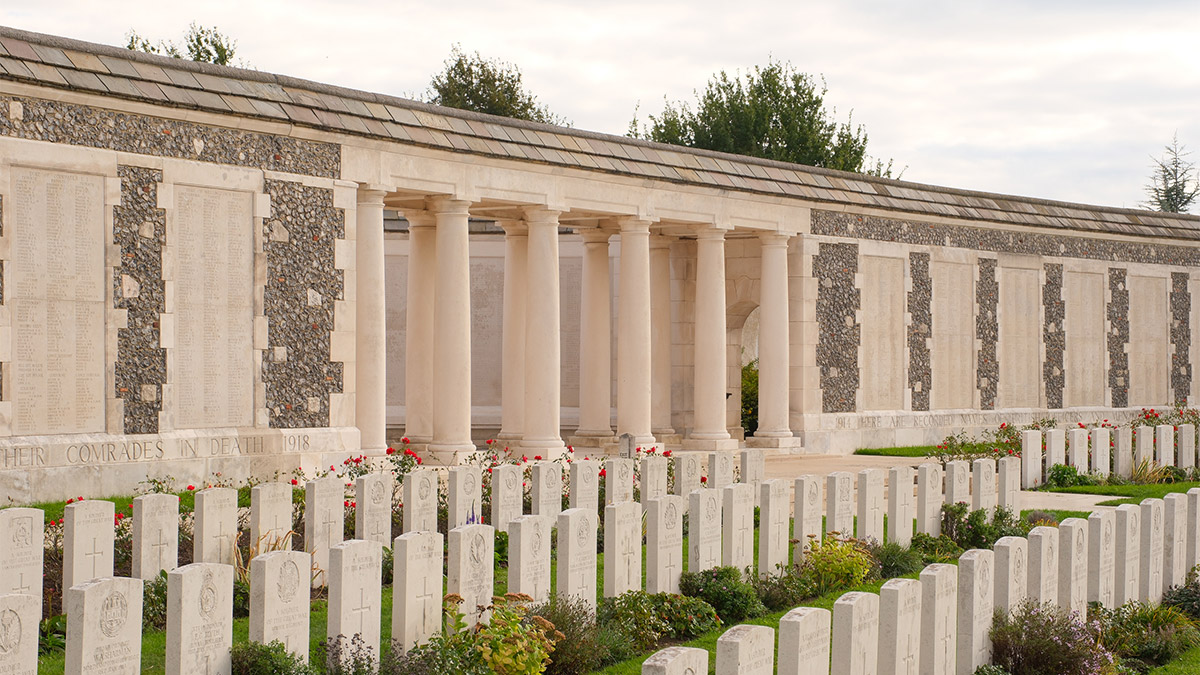
Tyne Cot Cemetery is the largest Commonwealth War Cemetery in the world and is home to the resting place of almost 12,000 servicemen. The adjoining memorial commemorates a further 35,000 missing servicemen whose graves are not known. Many of those buried at Tyne Cot died during the Third Battle of Ypres around Passchendaele.

Maintained by the Commonwealth War Graves Commission (CWGC), the cemetery and memorial provide a peaceful space for students to reflect on the scale of the human cost of conflict. As they explore the rows of headstones, the names, regiments and ages of those who lost their lives, students can begin to understand the individual stories behind the immense number of casualties.  This site also provides an opportunity to consider how those who died are commemorated and why remembrance remains important today.


2. Langemark Military Cemetery

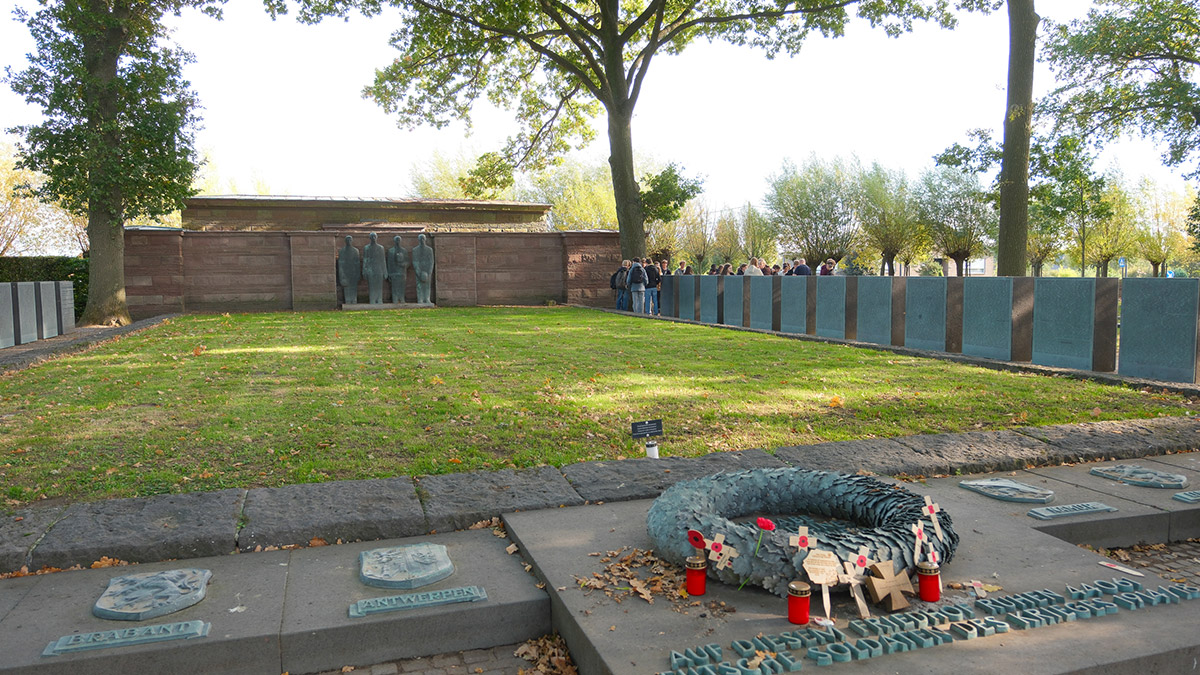
Langemark Military Cemetery offers a striking contrast against the openness of Tyne Cot Cemetery and Memorial. In this cemetery, move than 44,000 soldiers are buried, with the mature oak trees, dark, low stone markers, many inscribed with several names, creates a sombre atmosphere and lasting impression on those who visit. Here, students can explore how the victors of war and the defeated are commemorated.

As the students wander through the cemetery and make their way to the mass grave of over 24,000 soldiers, overlooked by the bronze ‘Mourning Soldiers’ sculpture, students can reflect on the immerse human cost of the First World War on both sides, uncovering the stories of German soldiers who also lost their lives. Exploring both sides of the First World War provides students with different perspectives, strengthening their understanding of the global conflict as they discover the similarities and differences the opposing sides had.

This cemetery serves as a reminder of the devastating impact of World War One, as Germany faced defeat, and post-war political and financial circumstances which influenced the cemetery design based on these restraints. It provides students with an opportunity to explore national identity and to look beyond the traditional victory narratives and to remember the shared suffering experienced by soldiers on all sides of conflict, as well as the importance of remembering those whose lives were lost.


3. Hooge Crater Museum

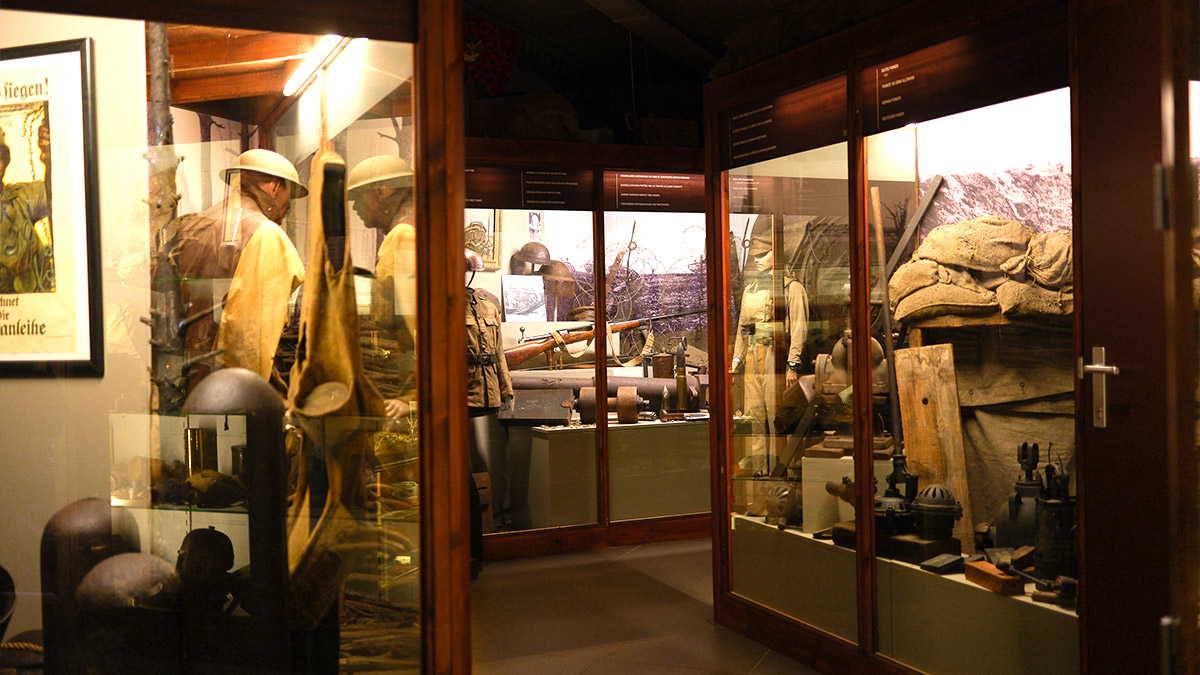
Hooge Crater Museum is a family-run museum dedicated to preserving World War One artefacts. It has become Belgium’s best private museum due to its extensive collections of photographs, equipment and weapons and reconstructed British and a German trench students can explore. These trenches, along with the in-depth explanations from the museum owner gives students the opportunity to examine the trench systems, how they were made, and how both differ, connecting classroom teaching with real-life experiences.

Not only this, but the museum also offers a film room where students can discover more about the Ypres Salient and how the surrounding area was a major and heavily fought over section on the Western Front. The video footage provides insight into the strategic warfare, trench conditions and the impact the battle had on hundreds of thousands of soldiers.

This museum will leave a lasting impression on students as they explore the extensive collections of wartime uniforms, equipment and belongings, that will develop their understanding of life on the Western Front. Combining the immersive experiences of the reconstructed trenches, the discovery of authentic artefacts and the extensive knowledge from the museum owners, students will return to the classroom with a deeper comprehension of realities and experiences of trench warfare and life as a soldier on the Western Front.


4. Hill 60

Hill 60 is a man-made high ground, created from the excavated land during the construction of the nearby railway line. Only rising approximately 60 meters high, it gave whoever occupied the area a rare overview of the Ypres Salient and provided them with a clear view to observe and artillery fire across enemy lines and supply chains.

Due to the flat planes of Ypres, both Allied and German forces resorted to heavy tunnelling and mining, planting huge amounts of explosives to try to gain the higher vantage point. Over the First World War, Hill 60 became of one of the most brutal underground and trench warfare sites during this battle, changing hands several times between the Allied and German Forces.

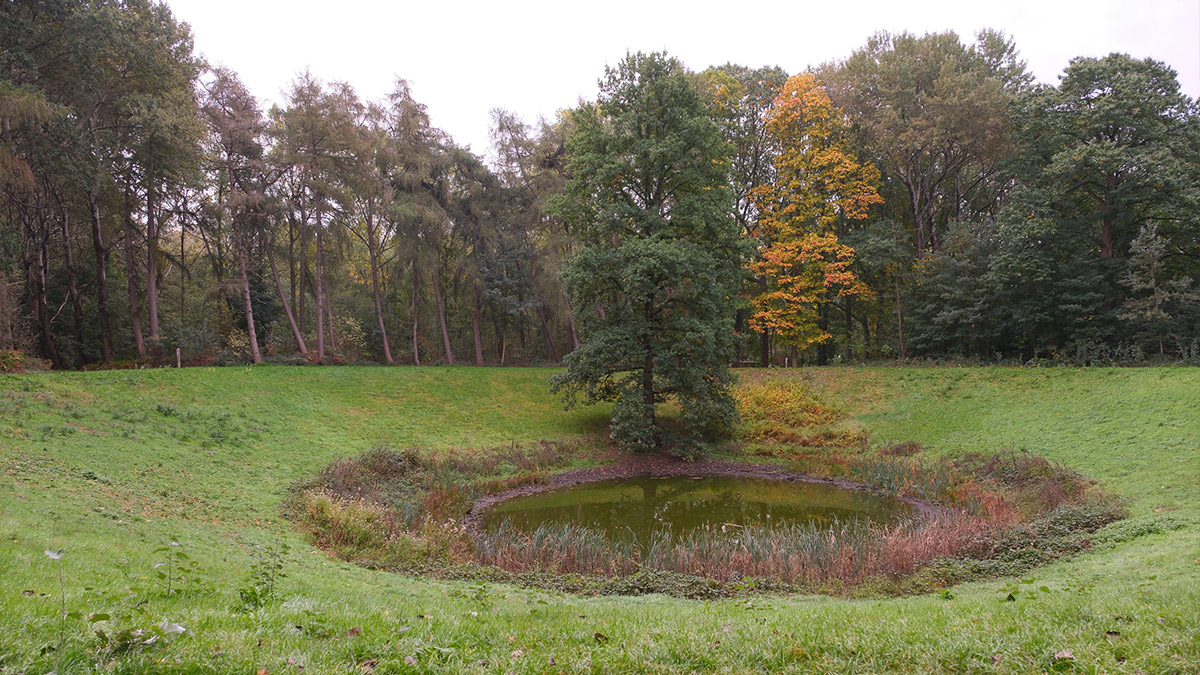
It’s here where students can explore how the landscape has been impacted by the First World War, from the nearby Caterpillar Crater to the many smaller mine craters that shaped the area.

Students can also witness the Allied and German frontlines that were only meters apart. This site gives students another opportunity to explore the First World War and an insight into the great efforts and sacrifice required to take even a small piece of land.

It further highlights the horrific realities of trench warfare and the strategic importance the landscapes have on gaining the high ground. By examining the physical scars left behind, students can gain a deeper appreciation of the terrible conditions endured by soldiers and how these stories of suffering and legacy of the Western Front are preserved.


5. Menin Gate

Menin Gate, located on the eastern side of Ypres, arches over the major road where hundreds of thousands of Allied soldiers marched towards the front lines of the Ypres Salient. The memorial was unveiled on July 24, 1927, as a commemoration to the 54,000 British and Commonwealth soldiers died in the Salient and have no known grave.

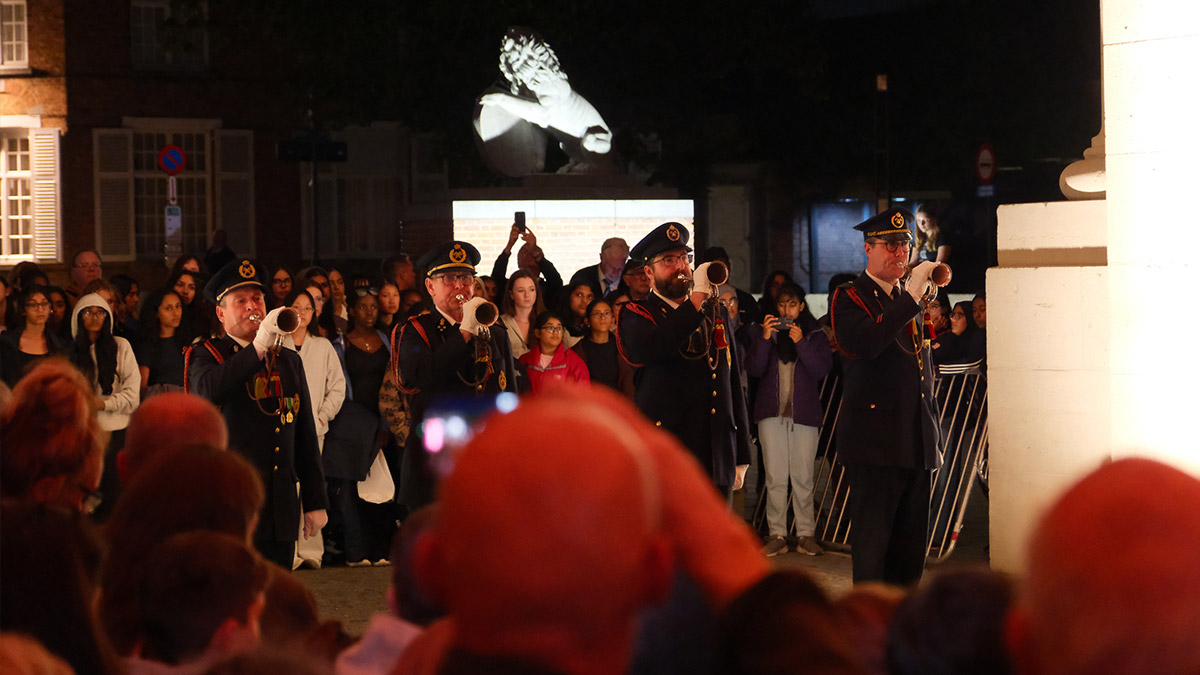
The Menin Gate Ceremony is a must when visiting Ypres as it’s another opportunity to participate in remembrance, especially since students can trace the journeys of the soldiers who walked on that very same road. Every evening at 8pm, a tradition held every day since it was established in May 1929, the Last Post is held to commemorate and pay homage to the fallen soldiers of World War One.

The ceremony begins with a bugle horn, played by a local fire brigade volunteer, followed by a poem or speech. Individuals, families, schools, veteran groups an organisation can all lay a wreath during the ceremony, and once this is complete, there’s a moment of remembrance and thought into why this ceremony is held every single day almost 100 years later.

Related Articles

history guide giving a talk to students in Commonwealth War Graves cemetery

So much more than just a History Guide…

I’m sure when most people think of a tour guide, they picture someone at the helm of a group of people, microphone and flag in…

History Guide giving talk to a group of students in matching hoodies

Living the life of a soldier: Brighton Hill Community School’s battlefields trip

Living the life of a soldier: Brighton Hill Community School’s battlefields trip No strangers to touring, Brighton Hill were keen to have two History Tour…

Group of students getting dressed into authentic world war 2 uniforms with gas masks

Busting the History is 'Old News' Myth

History is often mislabelled as a duller subject, or ‘old news’. But history’s relevancy has never been greater, and goes far beyond just names, dates...