
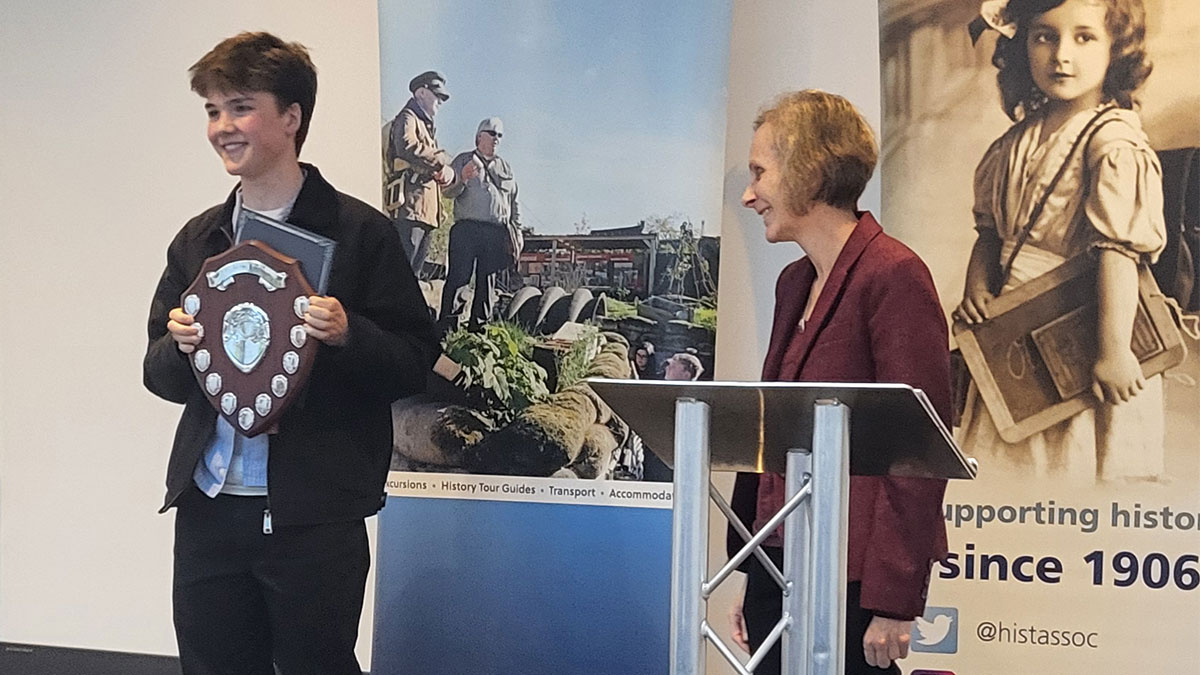
When making the decision to join the Historical Association to act as principal sponsor for their national schools 2026 Great Debate, it was clear that there was a mountain of shared values between us: encouraging students to step outside of their comfort zone, giving them the platform to showcase their research, fuelling their independence, and ultimately motivating them to gain a deeper understanding of the events, people, and stories of our past.
The Theme of this year’s debate:
“How important are personal and public records as evidence for explaining the story, or stories, of your local area?”
All of this takes students out of the boundaries of their classroom, to a high-profile venue in London, after winning their regional heats to reach the grand final of the 2026 Historical Association Great Debate.
The topic for the debate is something I knew I held a strong opinion on – it would be interesting to see if the debates of the day would support or sway my thinking.
I had not experienced anything like this before, so I write this reflection blog from a fresh eyed perspective. Having reached the finals, the expectancy was clear – I would be surrounded by a group of hugely talented people between the ages of 14-17 years.
As students and their families entered the venue there was a specific kind of silence that can be expected before a final-round debate begins. A mix of adrenaline, in depth research, and of course the weight of re-telling a chapter of history in the way you wish it to be perceived and interpreted.
The pride of parents, guardians and friends, the excitement and nerves in the room – it was a privilege to share these special moments with them. I was indeed playing a part in their story.
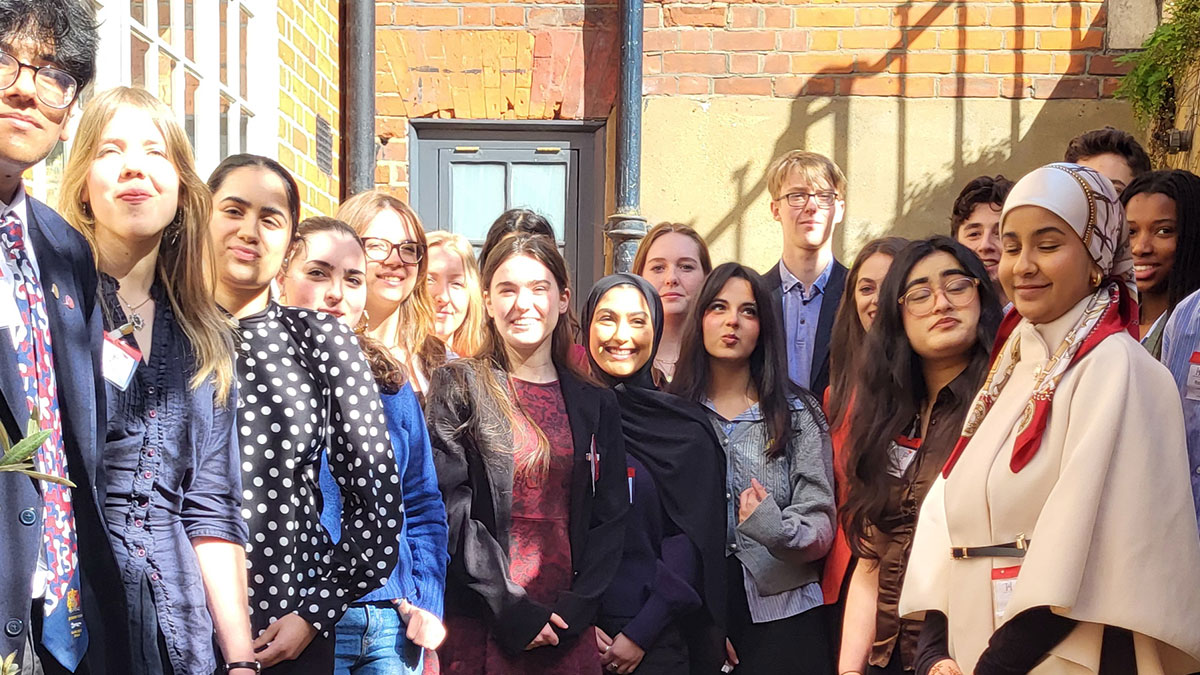
The finals began, and with each student unfolded debate after debate, surrounding public v personal records and the role they play in retelling the reality of the events of our past.
Unbelievable is all I can say. The confidence, diligence and care each and every one of these students displayed was quite frankly off the scale. Retelling traumatic tales of events, people and places within their local area, sharing emotions of family members no longer with us, and putting the reality of what people experienced and endured on specific dates and times just added another layer to what we were all learning. We were gracefully and intellectually led into their stories.
I watched students as young as 14 stand before expert judges and dissect complex historical narratives – we saw the first signs of young barristers and politicians standing before us. They didn’t just recite facts; they brought their personalities to engage and command the room. They navigated the nuances of the past to make sense of the present, proving that history isn’t a dead subject- it is a living, breathing tool for change.
To stand at a podium and defend an argument with Q&A from the Judges requires more than just confidence. It requires grit. In a world increasingly dominated by AI-generated answers, these students offered something refreshing: a deep and original thought.
Leaving the finals, I felt a renewed sense of hope. If these are the younger generation who could potentially be navigating our future, we are in capable hands. My opinion on how vital personal records remain. It’s stronger than before.
Thank you to all those who competed – you were amazing!
“Whether it’s a stage in London, or a historical site in Berlin, just keep on questioning and exploring”
Nicky, Rayburn Tours Marketing Manager
How this aligns with the 2028 Enrichment Goal:
This blog piece directly supports the narrative for the upcoming 2028 Core Enrichment Entitlement. It proves that high-level “extra-curricular” activities like the Great Debate aren’t just “add-ons”, they are essential for building the “wider skills” the UK government is now prioritizing in our schools.