We’re celebrating, having won the School Travel Awards – Best Large School Tour Operator award! Read more

Norway vs Iceland: Which is Best for Your School Geography Trip?

Last updated: Apr 20th, 2026


When planning a geography school trip, few destinations capture students’ imaginations quite like Norway and Iceland! Both countries offer extraordinary landscapes shaped by powerful natural forces – from glaciers and volcanoes to dramatic coastlines and towering mountains.

For teachers looking to bring geography to life outside the classroom, these Nordic destinations provide unforgettable fieldwork opportunities. But which one is the best fit for your students?

In this guide, we explore what makes each destination unique, how they link to the geography curriculum, and what students can expect to experience on a school trip to each country.

Fire or Ice? Two Very Different Geological Classrooms

One of the biggest differences between Iceland and Norway lies in how their landscapes were formed.

Iceland’s Magnificent Landscapes

In Iceland, the focus is very much on active geological processes. Located on the Mid-Atlantic Ridge, the island sits directly between two tectonic plates. At sites such as Thingvellir National Park, students can see where the North American and Eurasian plates are slowly pulling apart – a rare opportunity to observe plate tectonics above ground.

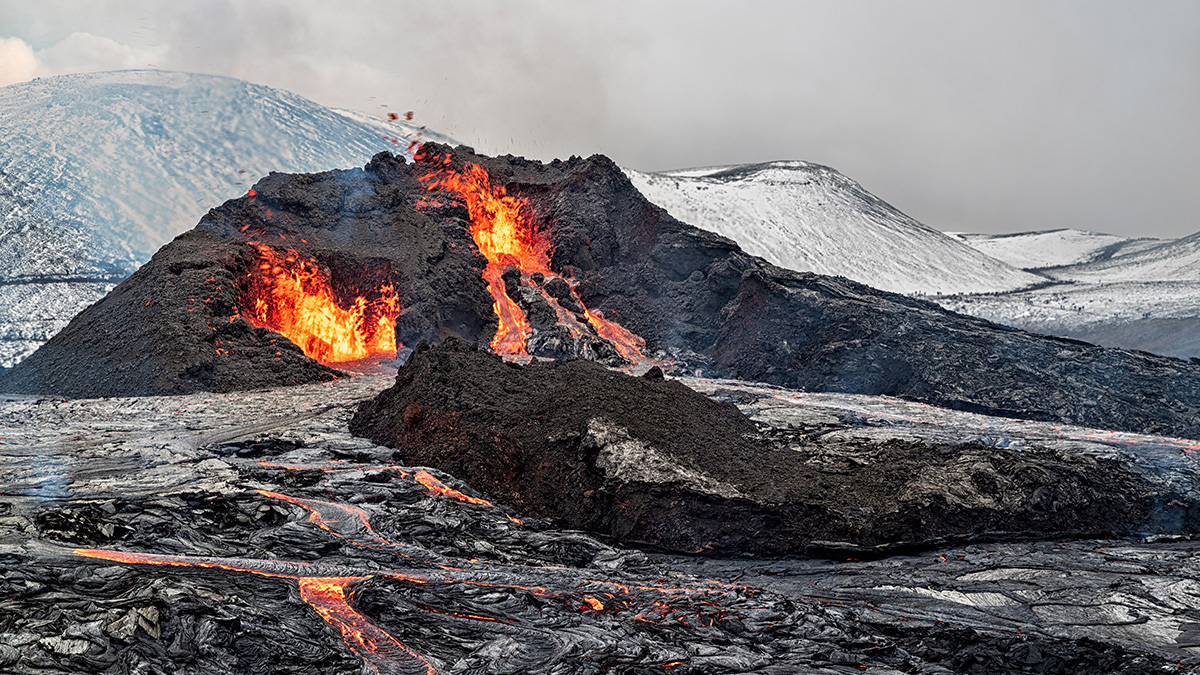
Across the country, geothermal activity provides further evidence of the Earth’s energy beneath the surface. Steam vents, lava fields, and volcanic craters dominate the landscape, particularly around the Reykjanes Peninsula. For students studying natural hazards or volcanic processes, Iceland offers a living laboratory where these forces are still actively shaping the land.
 

Norway’s Picturesque Terrains

Norway, by contrast, tells a story shaped primarily by glacial erosion rather than volcanic activity. During the last Ice Age, enormous glaciers carved deep valleys through the mountains, leaving behind the spectacular fjords that now define the Norwegian coastline.

Cruising through the breathtaking Nærøyfjord, students can clearly see the classic U-shaped valleys created by glacial movement. Towering cliffs rise dramatically above the water, whilst waterfalls cascade down steep rock faces – this is evidence of the scale of glacial erosion.

For many students, seeing these landscapes first-hand helps transform theoretical concepts like glacial processes into something tangible and memorable.
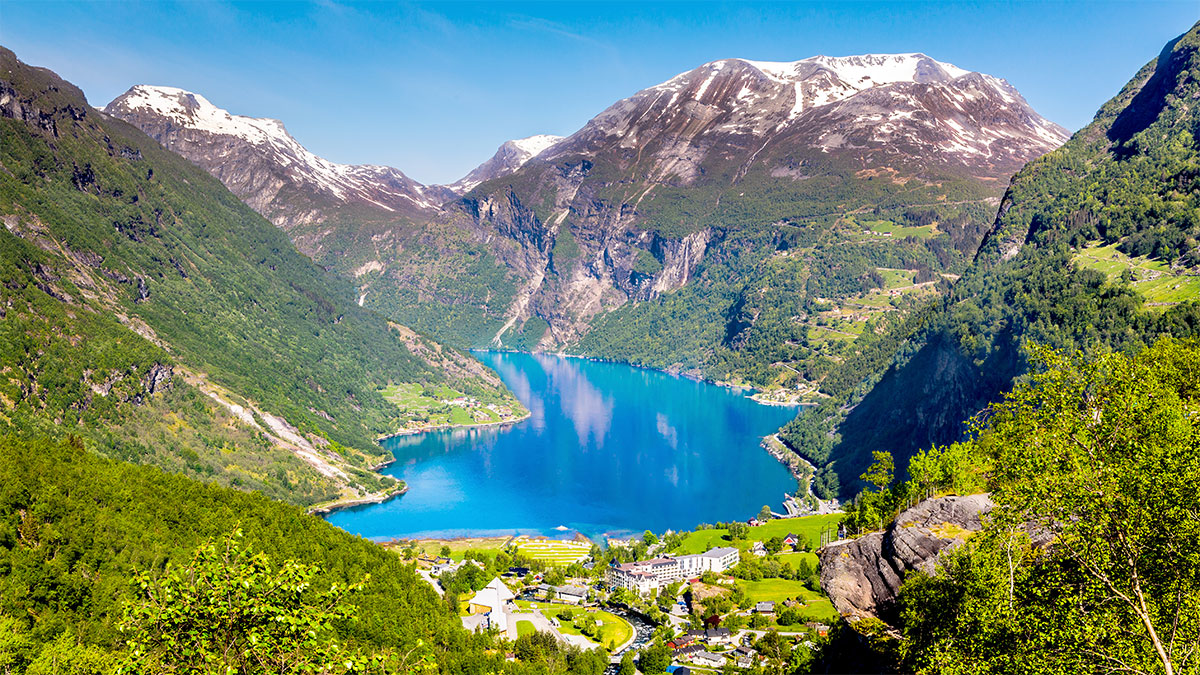

Norwegian Fjord Geiranger Norway. Beautiful Geiranger Fjord, Norway. Norwegian panoramic vista showing landscape and mountains.

Human Geography and Sustainability

Beyond physical geography, both Norway and Iceland also provide valuable case studies in how societies interact with challenging natural environments.


Geothermal Energy in Action

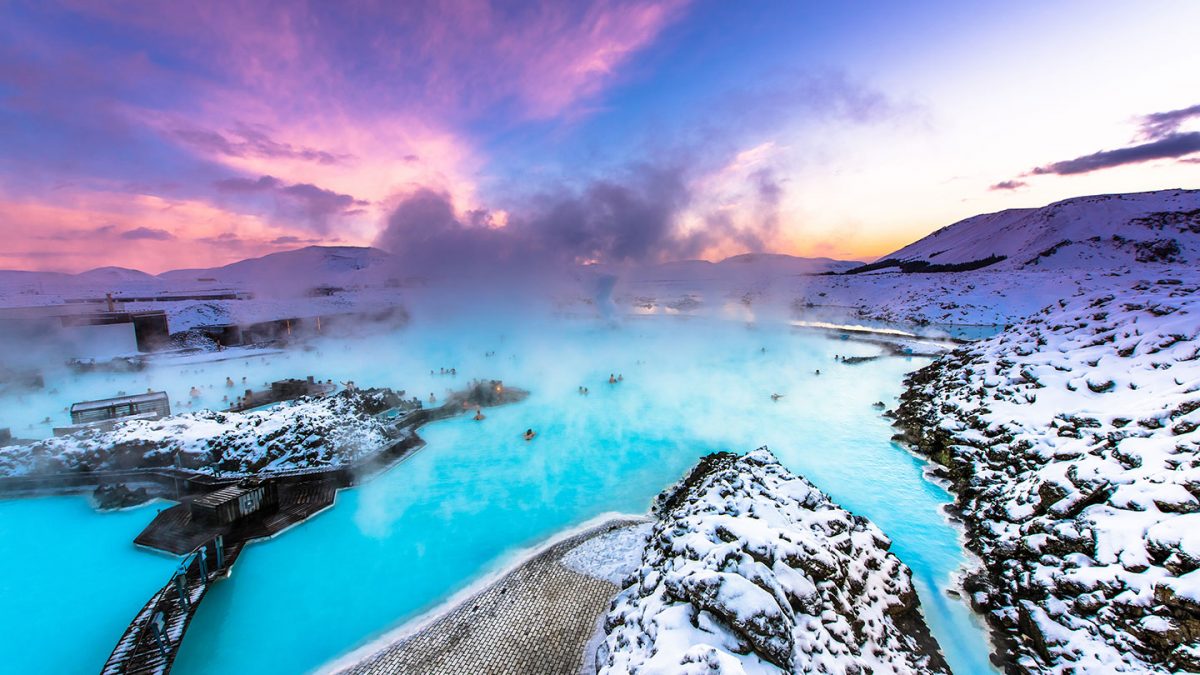
Iceland is particularly interesting when it comes to geothermal energy. Natural heat from volcanic activity powers homes, swimming pools, and famous sites such as the Blue Lagoon. For students studying renewable energy or resource management, it offers a fascinating example of how natural resources can be harnessed sustainably.

Blue Lagoon


Hydropower and Sustainable Development

Norway offers a slightly different perspective. The country relies heavily on hydropower, using its abundant rivers and waterfalls to generate renewable energy. This allows students to explore how natural landscapes can be used to support both economic development and sustainability.

Cities such as Bergen also provide opportunities to examine tourism, trade, and cultural geography, showing how human settlements adapt to dramatic coastal environments.

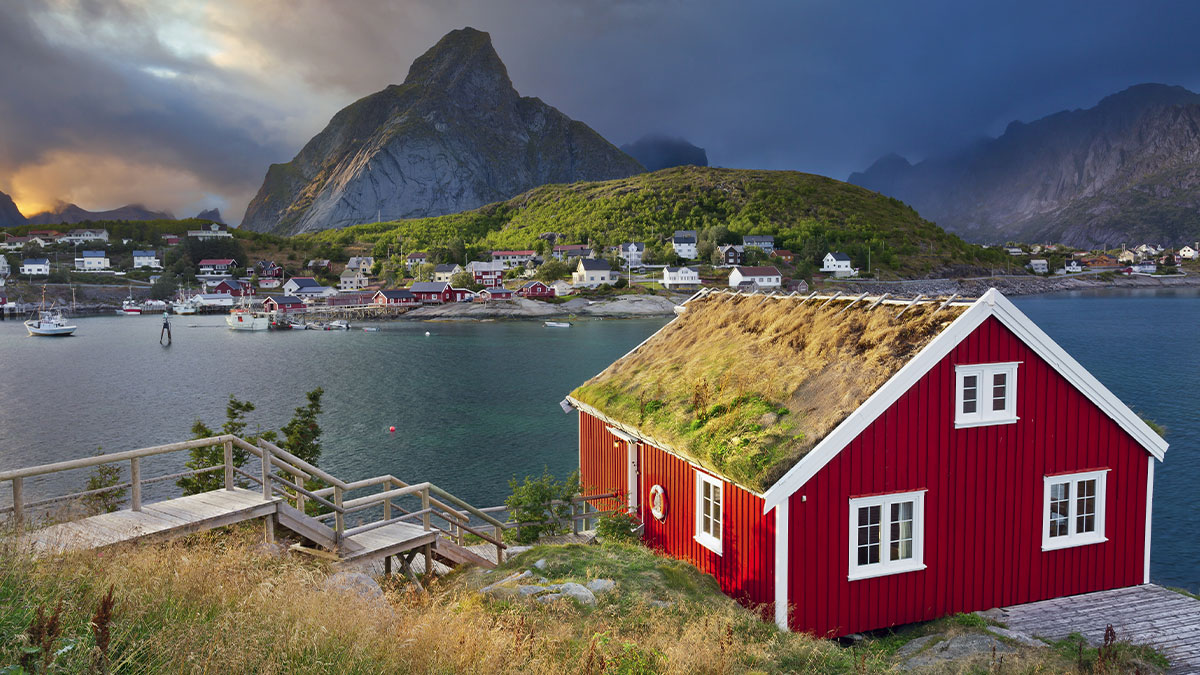
Reine, Norway. Image of fishing village Reine on Lofoten Islands in Norway.

Which Destination Is Best For Your Group?

One practical difference between the two destinations is availability.

Iceland’s popularity as a geography destination has grown enormously over the past decade. As a result, school trips often need to be planned up to two years in advance due to high demand.

Norway, meanwhile, is emerging as an exciting new option for school geography trips. With spectacular landscapes, diverse curriculum links, and immersive outdoor learning opportunities, it offers a fresh alternative for teachers looking to explore a destination that is equally dramatic but often easier to plan.

outline of megaphone

Start Planning Your School Geography Trip!

Whether you choose Iceland or Norway, or even another fantastic destination, now’s the ideal time to start planning your trip! Chat with our specialist team today.

Contact us