Excursion Highlights & Curricular Links
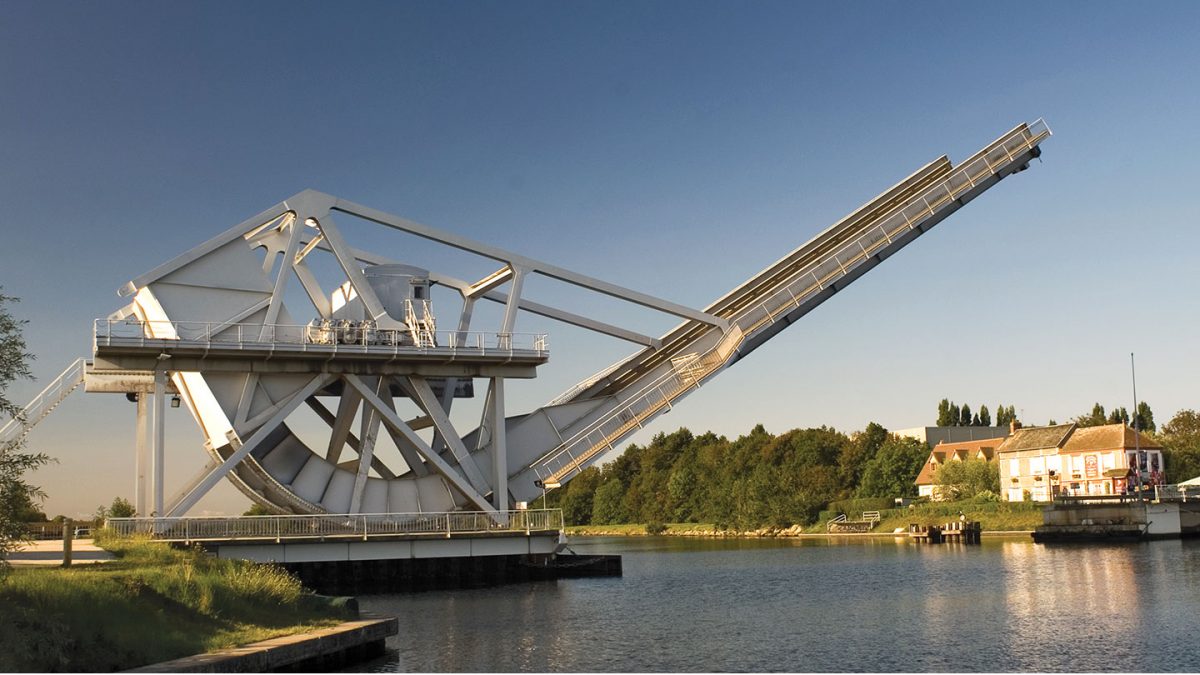
Pegasus Bridge
A visit to Pegasus Bridge introduces students to one of the first actions of D-Day, where British airborne troops captured a vital crossing. This highlights the importance of planning and surprise in military strategy, linking directly to GCSE topics on turning points and tactical decision-making in the Second World War.
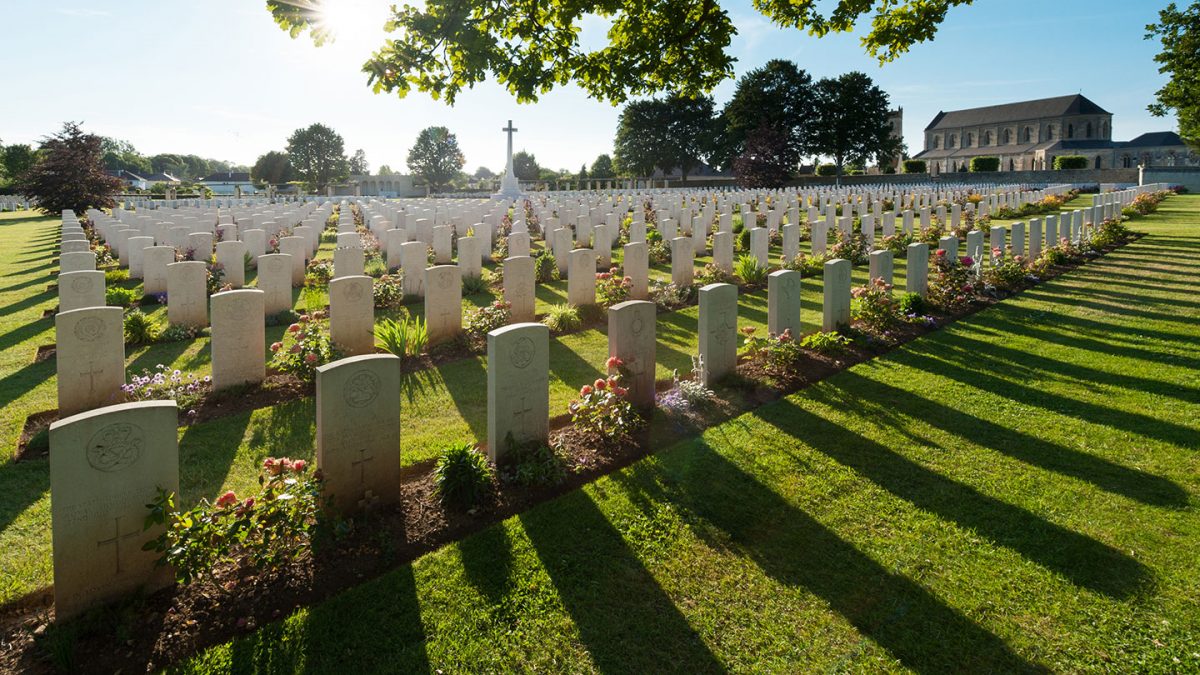
Ranville Cemetery
Nearby, Ranville Cemetery provides an important opportunity for reflection. As the resting place of many soldiers who died in the early hours of the invasion, it helps students understand the human cost of war, supporting themes of conflict and peace within the GCSE curriculum.
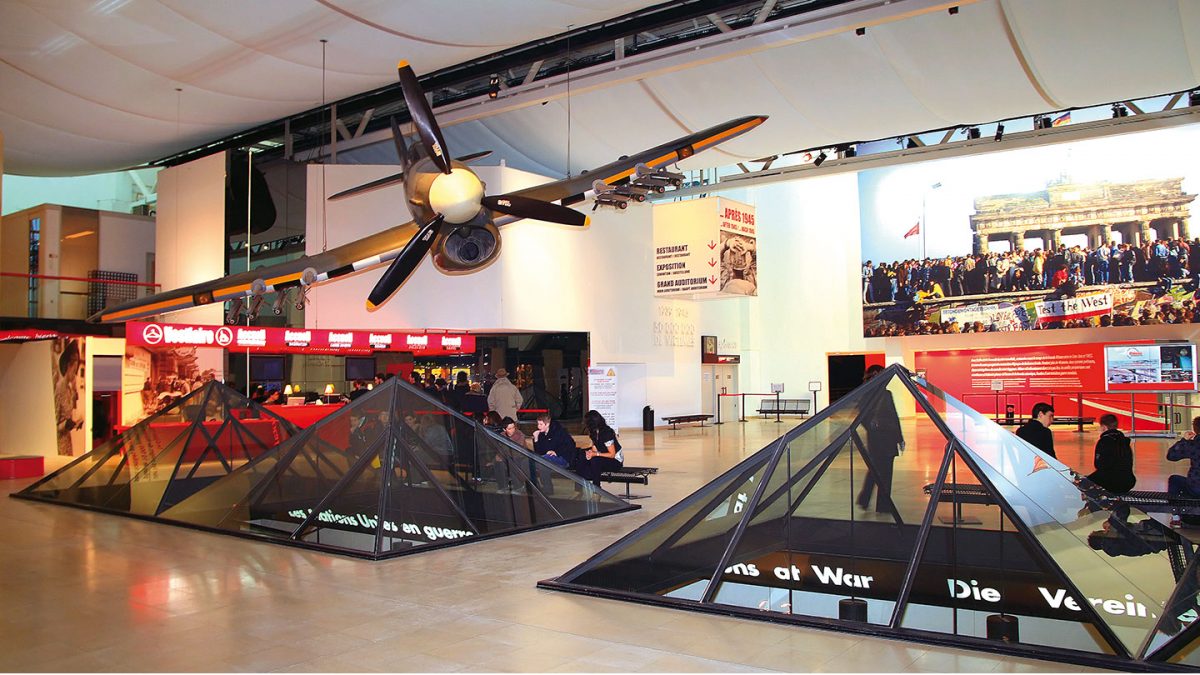
Caen Memorial Museum
The Caen Memorial Museum offers a wider overview of the war, exploring its causes, events, and consequences. This supports GCSE units focused on the origins of the war, including the rise of dictatorships and the failure of peace in Europe.#
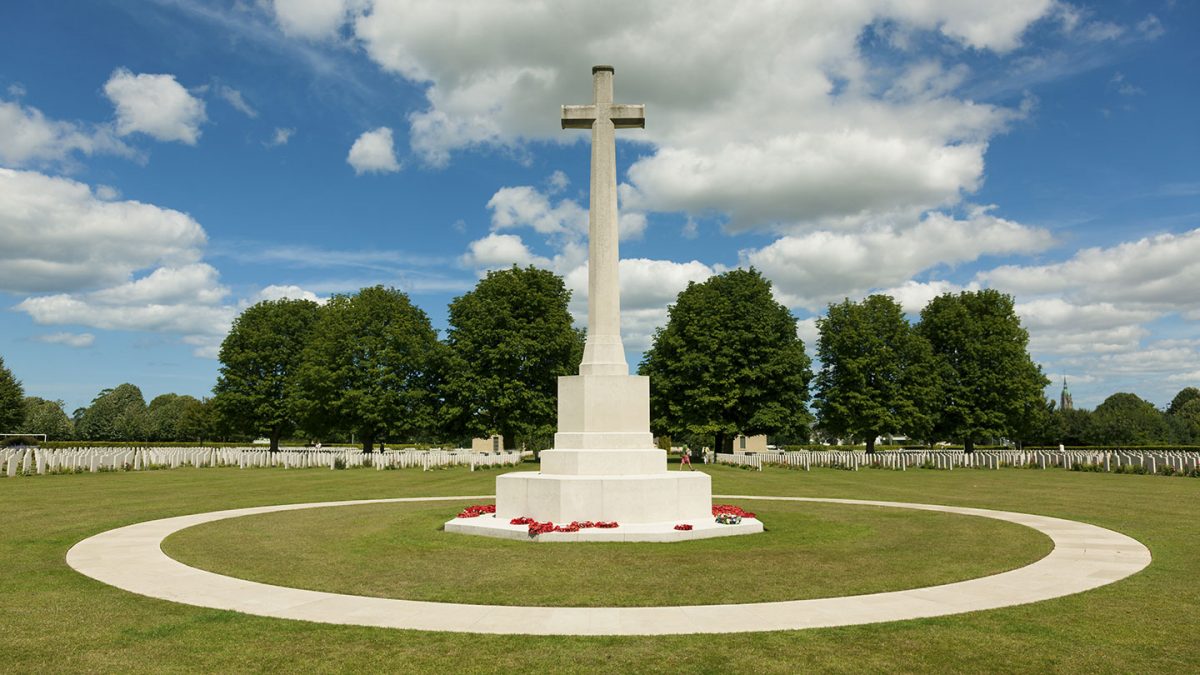
Bayeux War Cemetery
At Bayeux War Cemetery, students can see the scale of loss experienced by Allied forces. As the largest Commonwealth cemetery in France, it reinforces the international nature of the conflict, linking to GCSE themes about global involvement and shared sacrifice.
Arromanches 360 Circular Cinema
The Arromanches 360 Circular Cinema provides an immersive experience using archive footage of the landings. This helps students visualise events more clearly and strengthens skills in interpreting historical sources, which is an important part of GCSE History.
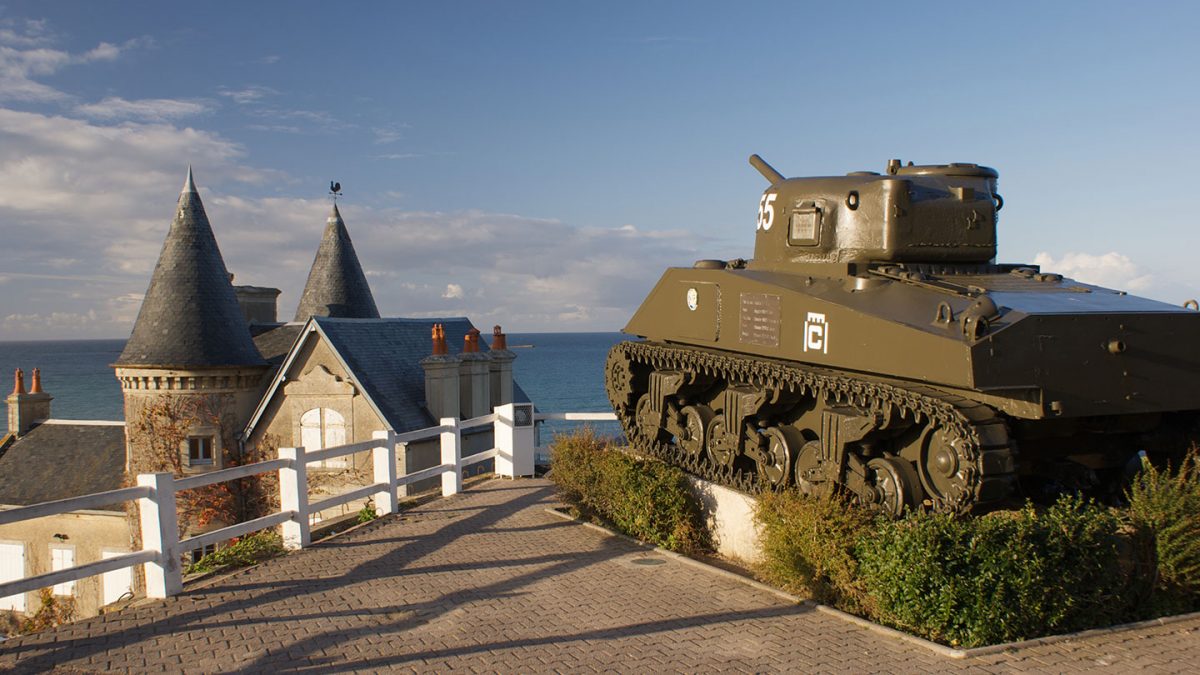
Omaha Beach
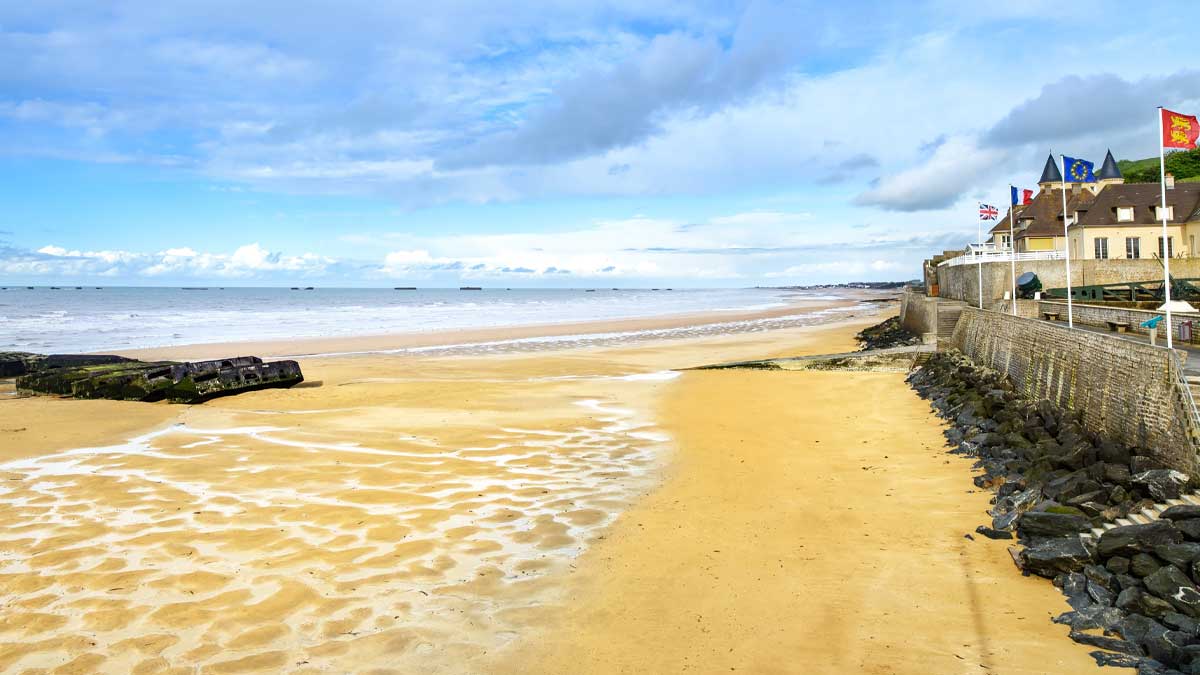
Finally, visiting the D-Day landing beaches such as Omaha Beach allows students to experience the scale and difficulty of the invasion. This brings together learning about strategy, international cooperation, and the challenges faced by soldiers, reinforcing key themes of the Second World War.