We’re celebrating, having won the School Travel Awards – Best Large School Tour Operator award! Read more

Geography Alternatives: Choosing the Best Alternatives For School Groups

Last updated: May 7th, 2026


With such a wide range of geography destinations available for school groups, choosing the right one can feel overwhelming. From volcanic islands to dryland environments and flood-prone lowlands, each location supports different areas of the curriculum.

The challenge isn’t just picking a strong case study, but deciding which destinations will provide the most flexibility across topics whilst also allowing for meaningful comparison. That’s where carefully selected alternative destinations become so valuable. The right combination can help build deeper understanding, strengthen comparisons, and support higher-level evaluation.
 

The Most Versatile Geography Destination

Certain locations appear repeatedly across the course because of how many themes they cover. Iceland and Morocco are amongst the most wide-ranging, with strong contributions from the Netherlands, Tenerife and Singapore or Malaysia.

What makes these destinations so valuable is not just their individual depth, but how effectively they can be paired with meaningful alternatives.

Iceland: A Foundation for Physical Geography

Why Iceland stands out

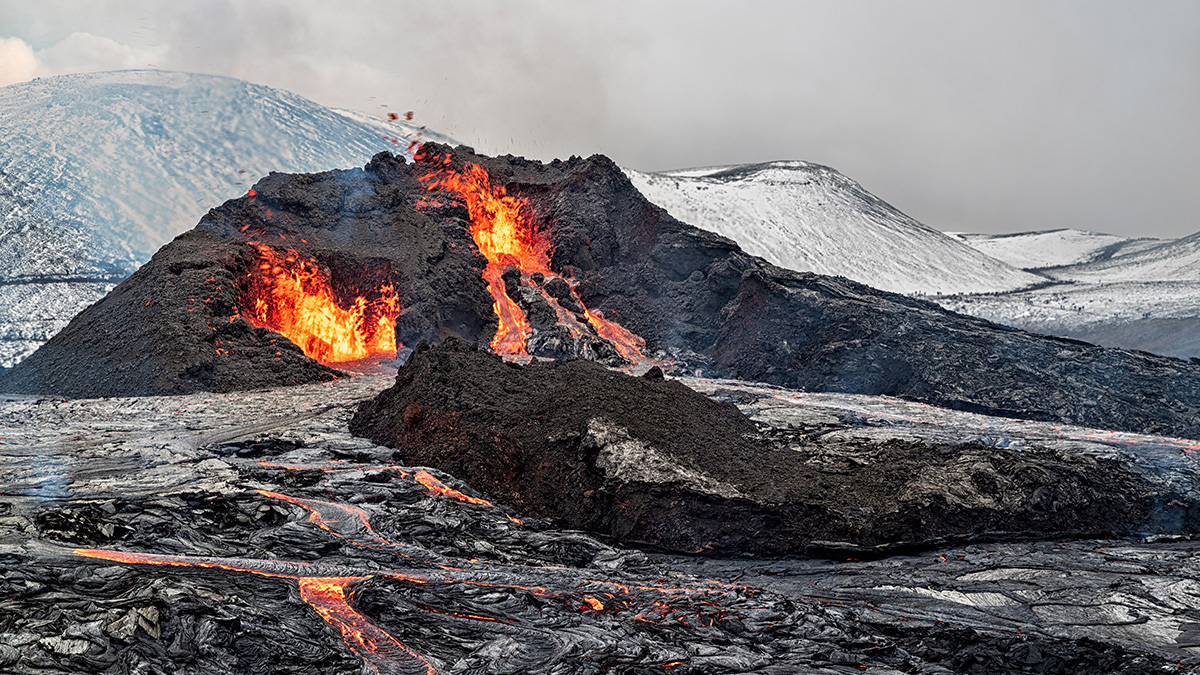
Iceland brings together tectonic activity, glaciation, coastal systems, and renewable energy in one highly dynamic environment. This makes it one of the strongest anchors for physical geography.

Alternative: Tenerife

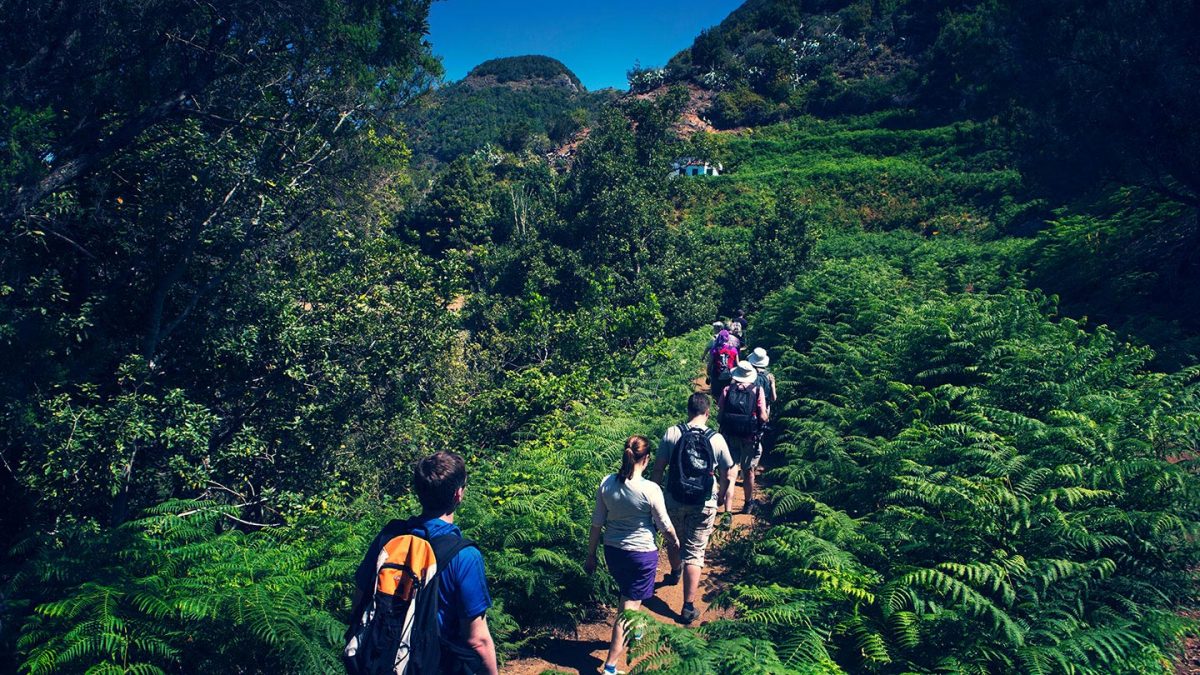
Tenerife is one of the most effective alternatives because it shares many of the same volcanic processes as Iceland.

Both locations are shaped by tectonic activity, influenced by tourism, and linked to energy systems. However, their contrasting climates allow students to explore how similar processes operate under very different environmental conditions. This makes the pairing especially useful for evaluation.

Alternative: Norway

Norway offers one of the closest physical matches to Iceland, particularly in terms of glacial and river systems.

The similarities in landscape and processes make it ideal for more detailed comparisons, especially when explaining how physical features develop over time or how climate change is impacting environments.

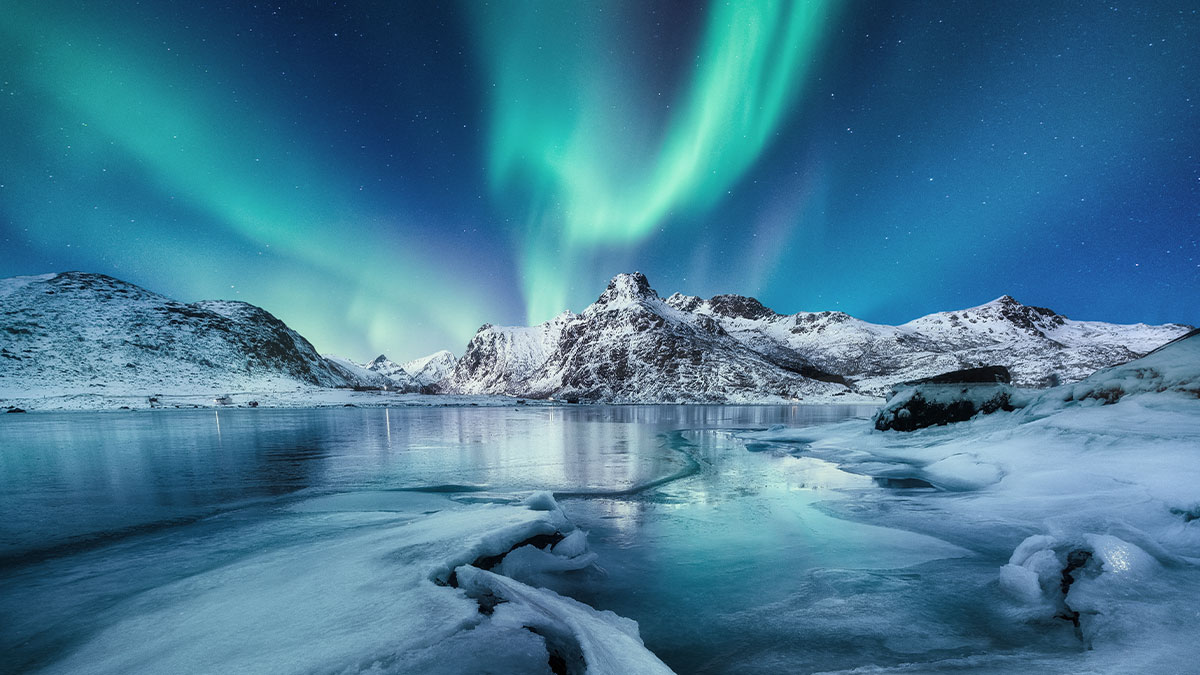
Aurora Borealis, Lofoten islands, Norway. Nothen light, mountains and ocean. Winter landscape at the night time.


Alternative: The Azores

The Azores provide another volcanic island setting, reinforcing key ideas around tectonics, hazards, and ocean systems.

Because the environments are broadly similar, this alternative is especially helpful when consolidating understanding of core physical processes without introducing too much new complexity.

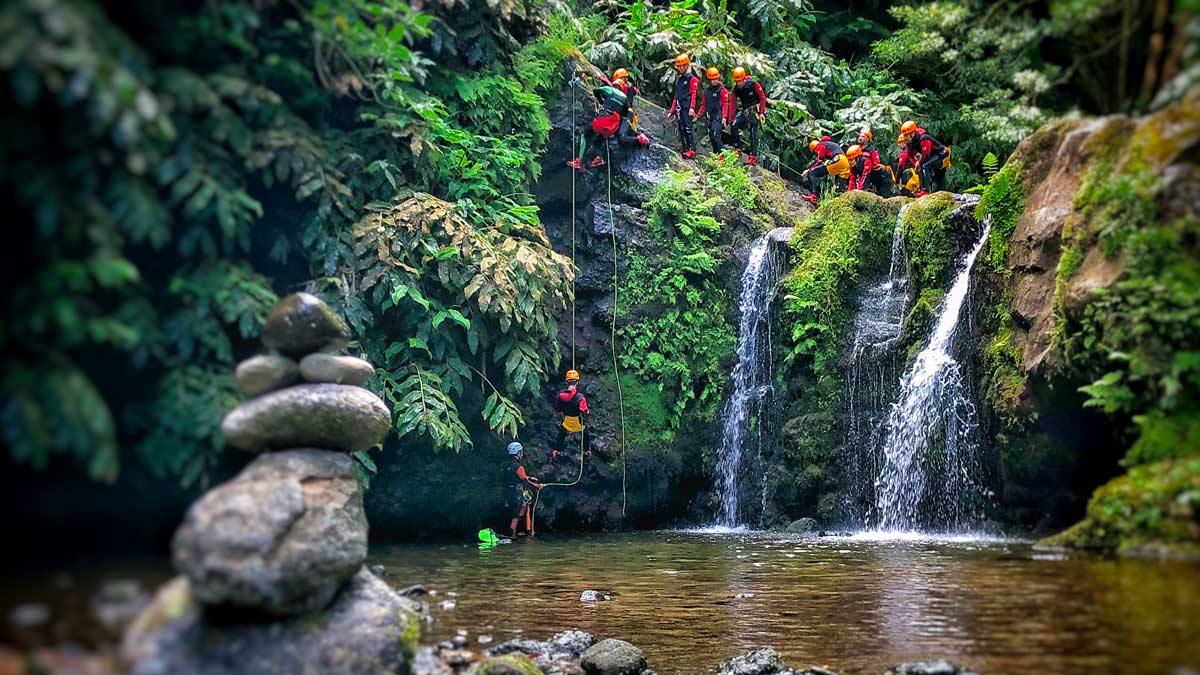
Azores Canyoning

Alternative: Isle of Arran

The Isle of Arran offers a more local comparison that still links well to Iceland’s key themes.

Although less extreme, it allows students to explore rivers, coasts, ecosystems, and tourism in a familiar context. This can be particularly useful for connecting global geography to fieldwork experiences.

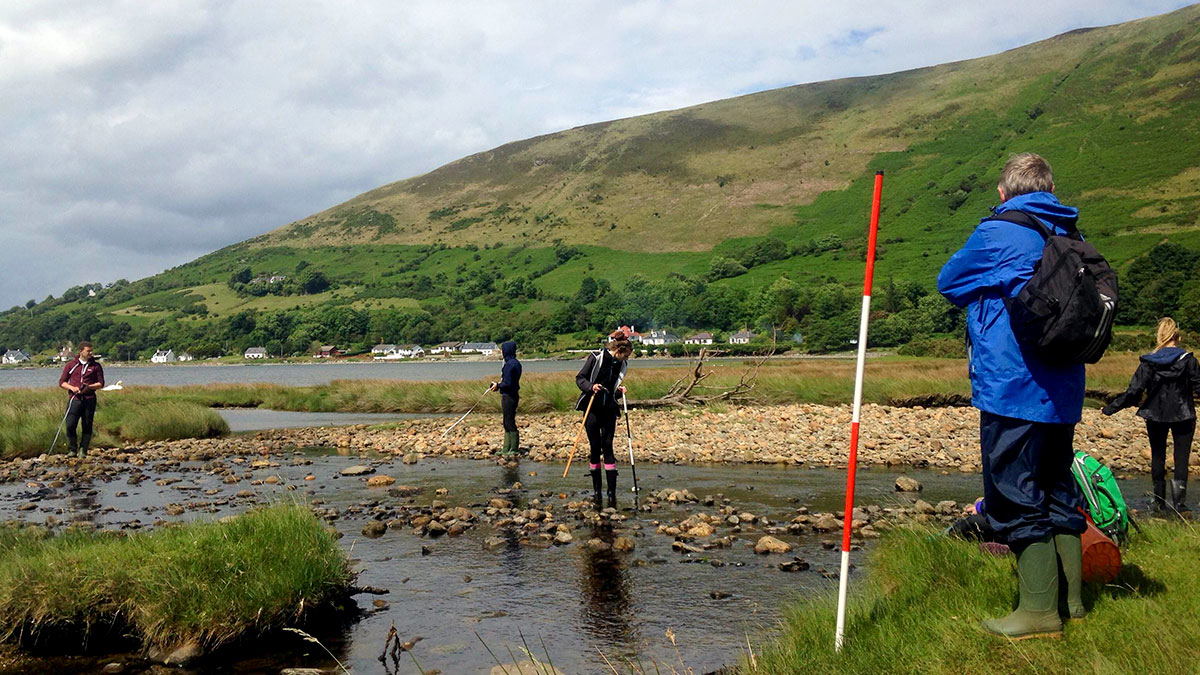
School kids doing field work on a school trip to Isle of Arran

Morocco: Exploring Human–Environment Interaction

Why Morocco stands out

Morocco provides a strong focus on how people interact with challenging environments. Its key themes include water scarcity, food production, rural livelihoods, and climate change.

This makes it especially valuable for understanding sustainability and development in real-world contexts.

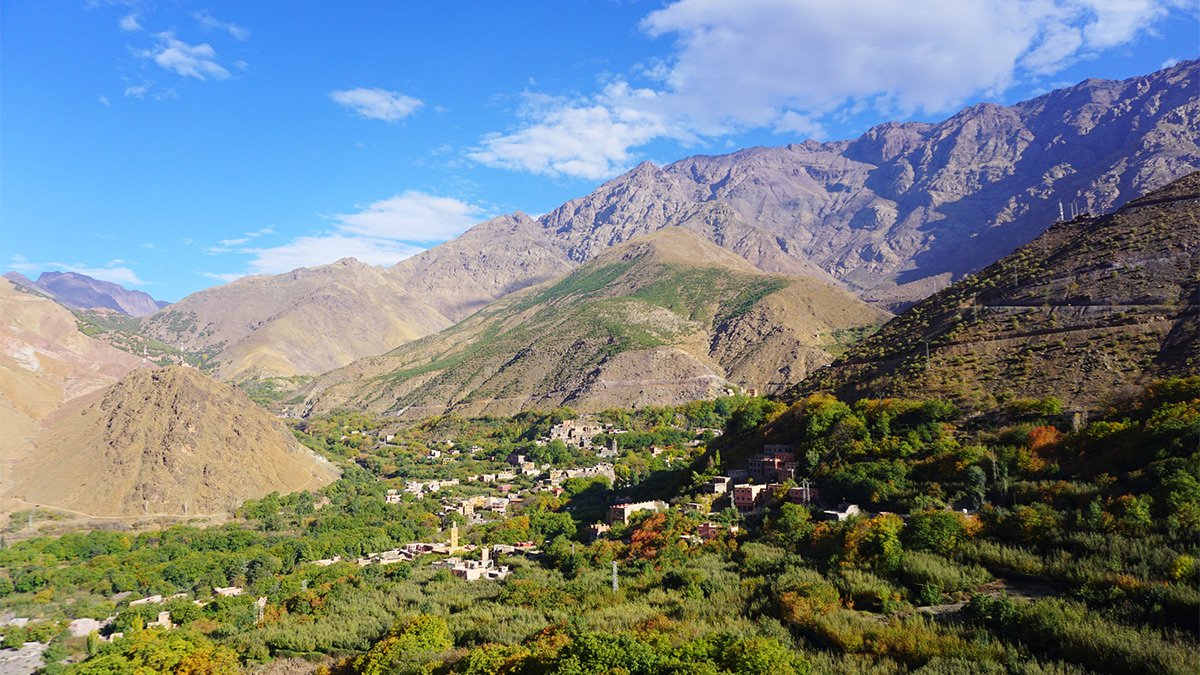
Imlil village in Morocco

Alternative: Malaysia

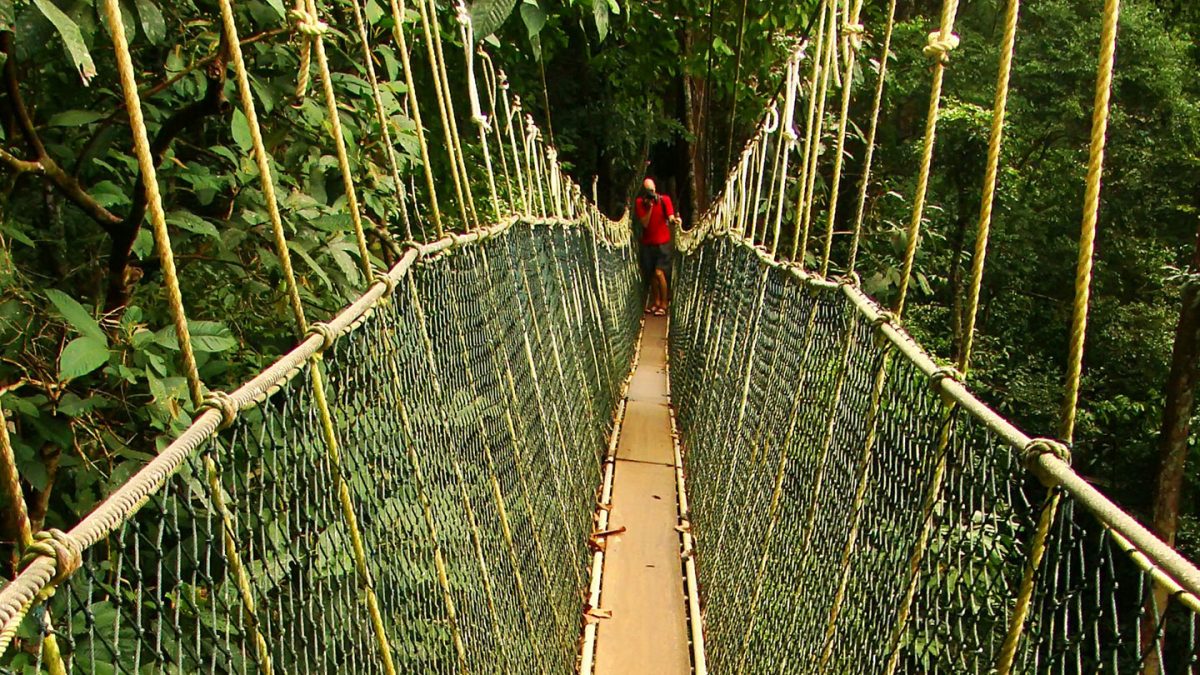
Malaysia offers a powerful contrast to Morocco, particularly in terms of climate and ecosystems.

While Morocco is defined by dryland conditions, Malaysia’s tropical environment introduces very different challenges and opportunities. Despite this, both locations share themes such as rivers, biodiversity, and rural environments, making comparisons more meaningful.


Alternative: Netherlands

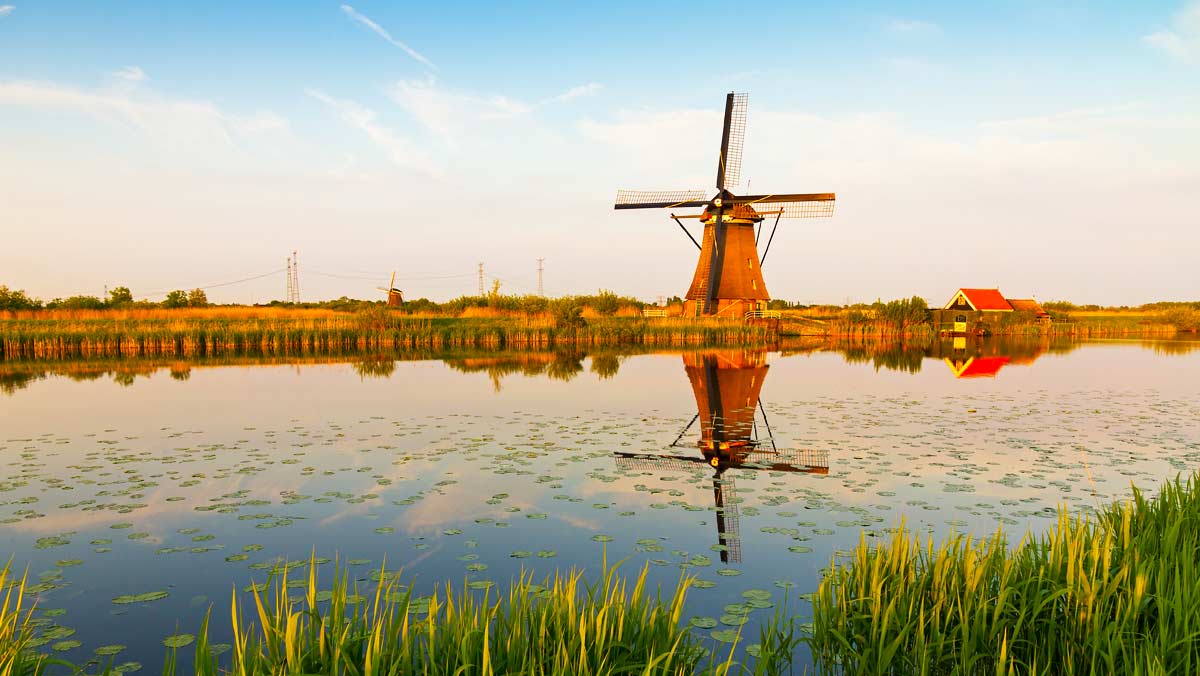
The Netherlands provides a different type of comparison, focusing more on management and governance.

Both countries face water-related challenges, but their responses differ significantly. This allows students to evaluate how levels of development influence the effectiveness of environmental management strategies.

A windmill in the Netherlands

Alternative: Southwestern United States

For a closer environmental match, the southwestern United States offers similar dryland conditions.

Issues such as water scarcity and climate pressure are central in both regions, making this a strong alternative for exploring global patterns in arid environments.

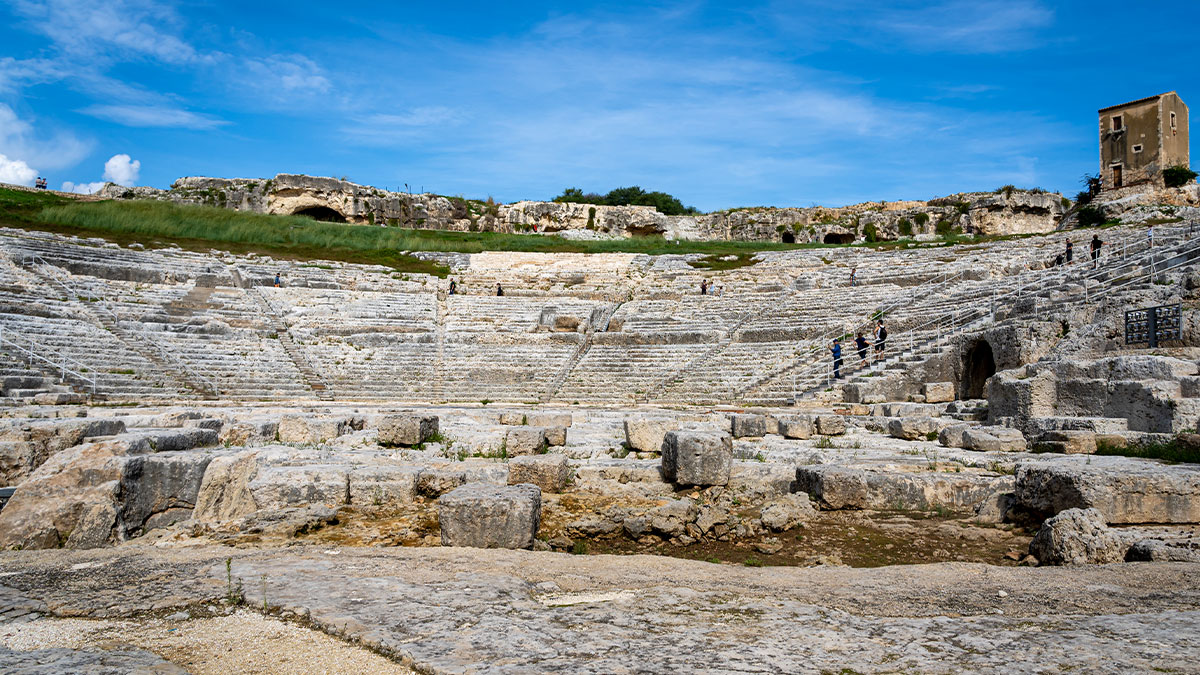
Archaeological Park in Syracuse Italy Sicily

Why Alternative Destinations Matter

Using alternative destinations helps shift learning from simple knowledge recall to deeper geographical thinking. Students begin to compare processes, evaluate decisions, and recognise patterns across different regions.

This is essential for higher-level exam responses, where the ability to link case studies and apply understanding in different contexts is key.

Graphic of plane outline

Which Destination Will You Pick?

Geography is ultimately about connections. The more confidently students can move between places, the stronger their understanding becomes.

To start planning your school geography trip, get in touch with our specialist team today! From 24/7-on tour support to tailored itineraries that meet your requirements, we’re here to help.

Contact us