We’re a finalist in the 2026 School Travel Awards! We’d love your vote.

Vote now

How Can I Prepare Students for a School Language Trip?

Last updated: Jun 19th, 2026


school language trip is one of the most powerful ways to boost students’ confidence, fluency, and enthusiasm for learning FrenchGerman, or Spanish. But the success of the experience often depends on how well students are prepared before they go. 

With the right preparation, students arrive ready to communicate, engage with the local culture, and make the most of every learning opportunity. Here are some practical and effective ways to prepare your students for a school language trip. 
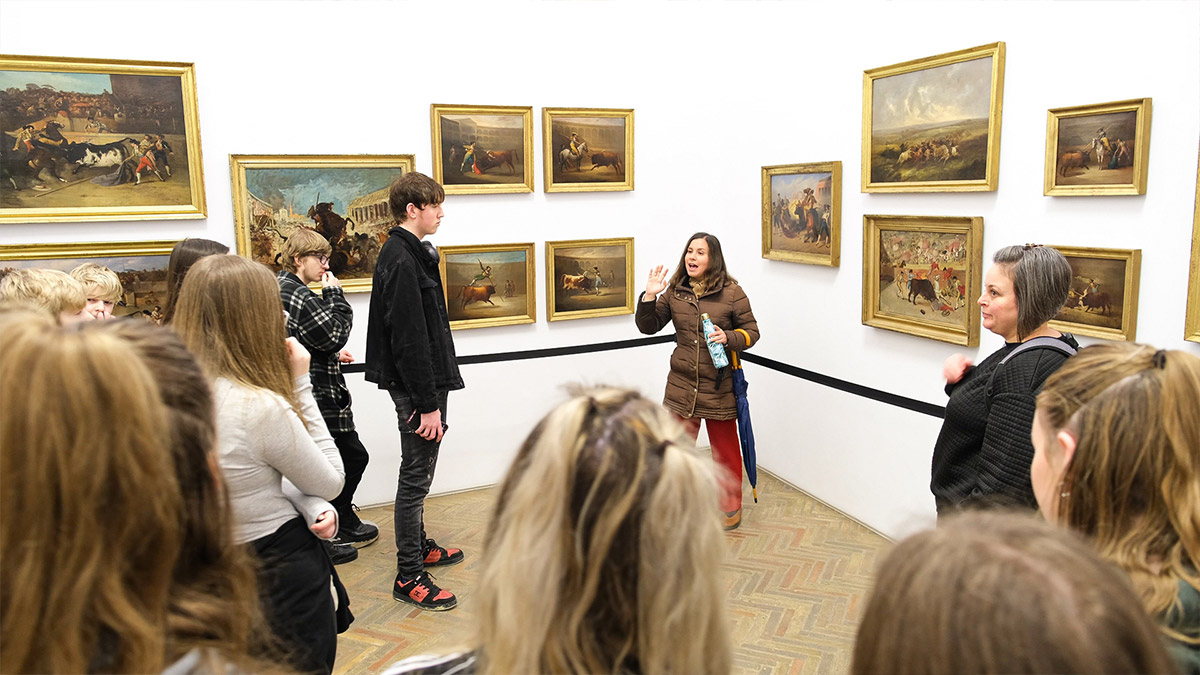
School Language Trip to Seville


Set Clear Language Learning Goals 

Before departure, help students understand what they are aiming to achieve. Rather than focusing solely on academic accuracy, encourage realistic, functional goals such as ordering food in the target language. asking for directions, introducing themselves confidently and understanding key vocabulary in real-life situations 

Having clear goals helps students see the trip as a learning experience rather than just a visit abroad. 

Teach Essential Survival Phrases 

Equipping students with a core set of phrases can significantly boost confidence. Focus on practical communication such as: 

  • “Could you repeat that, please?” 
  • “How much does this cost?” 
  • “Where is…?” 
  • “I would like…” 
  • “I don’t understand, can you help me?” 

These phrases reduce anxiety and encourage students to attempt speaking from day one.

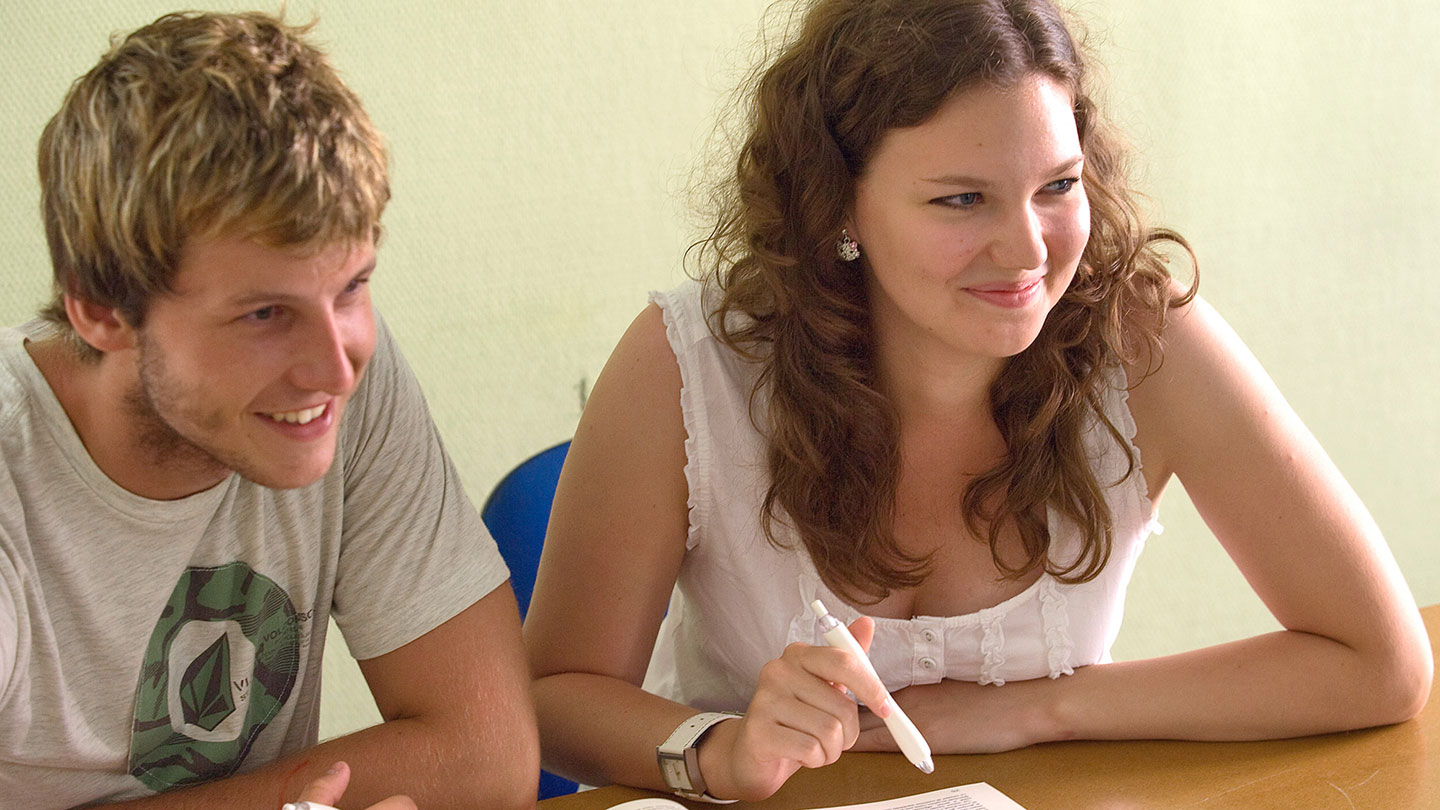
Language Lessons during a School Language Trip


Introduce Cultural Expectations 

Language learning is closely tied to culture. Preparing students for cultural differences helps avoid misunderstandings and builds confidence. 

Depending on your destination, you could explore: 

  • Mealtimes and dining etiquette in Spain 
  • Café culture in France 
  • Public transport systems in Germany 
  • Greetings and social norms in each country 

When students understand cultural context, they are more likely to engage positively with native speakers.

Practice Real-Life Scenarios in the Classroom 

Role-play activities are one of the most effective ways to prepare students. Create scenarios that mirror real situations they will face, such as ordering in a restaurant, buying souvenirs in a shop, checking into accommodation or asking for help in public places. 

This helps students practice language in a meaningful, low-pressure environment. 

Encourage Destination Research 

Building excitement before the trip increases engagement and improves learning outcomes. Set short research tasks such as: 

  • Famous landmarks and attractions 
  • Traditional foods and dishes 
  • Local customs and festivals 
  • Key historical facts 

Students arrive with prior knowledge, making real-world experiences more meaningful.

Build Confidence, Not Perfection 

Many students worry about making mistakes. It is important to reinforce that communication is more important than accuracy. 

Encourage students to: 

  • Focus on being understood rather than being perfect 
  • See mistakes as part of learning 
  • Use gestures and context to support communication 
  • Take risks with speaking 

A confident student will learn far more on a trip than a hesitant perfectionist.

Students on a School Language Trip with Rayburn Tours visit the gardens of Real Alcazar.


Set a Language Challenge for the Trip 

Giving students a sense of purpose during the trip encourages active participation. Examples include: 

  • Speaking to at least five native speakers 
  • Ordering every meal in the target language 
  • Learning ten new words per day 
  • Completing a language scavenger hunt 

These challenges turn passive sightseeing into active learning.

Prepare Students for Reflection 

Encourage students to think about how they will record their experience. Reflection helps consolidate learning after the trip. This can be done via tasks such as language learning journals, daily vocabulary logs, photo diaries with captions in the target language or post-trip presentations. 

Reflection ensures the benefits of the trip extend beyond the travel dates.

Blue graphic of two speech bubbles overlapping with a globy symbol in the center

Ready to Talk the Talk on Your Next Language Trip? 

Bring language learning to life with an immersive school trip to France, Germany, or Spain. Get in touch with our team to start planning a tailored experience that will inspire your students and support their classroom learning. 


Get in touch