We’re a finalist in the 2026 School Travel Awards! We’d love your vote.

Vote now

School History Trips to London: Bringing the Second World War to Life

Last updated: Jun 25th, 2026


Remnants of World War 2 are all around us, from the harrowing images of Auschwitz in Poland, the Brandenburg Gate, a backdrop of Nazi Germany, to the shipwrecks of Operation Dynamo on the beaches of Dunkirk. But you don’t have to go far to learn about the true realities of the Second World War.

On a school history trip to London, students can discover how one of the most frequent and sustained targets for the German Blitz affected the home front. Through immersive learning experiences, haunting stories and relics of the past, students can further their understanding of how ordinary people endured extraordinary circumstances that changed their lives forever.

By exploring London through the lens of World War 2, students can extend their textbook knowledge and gain further insight into the impacts of the Blitz aerial bombing campaign, rationing, evacuation and resilience on everyday life. The first-hand encounters bring history to life, connecting human stories to the conflict that shaped modern Britain and the world.
Explore the Human Stories of World War Two


Imperial War Museum, London


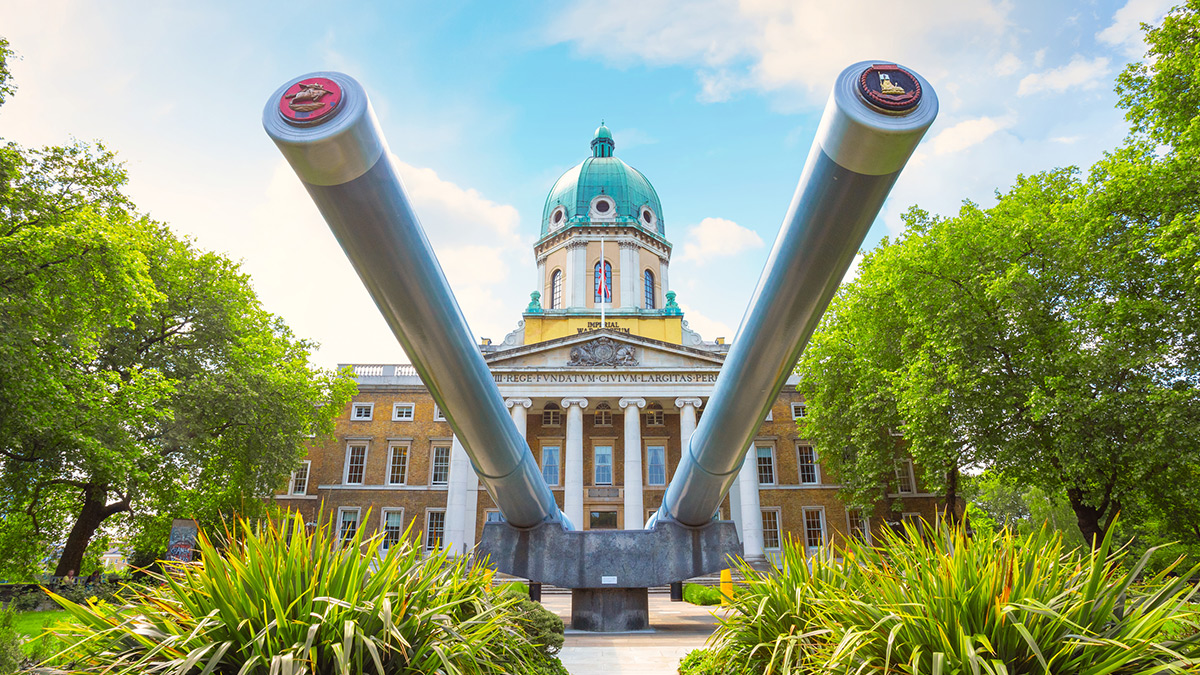
The Imperial War Museum

The Imperial War Museum houses vast, award-winning galleries dedicated to the Second World War, spanning over two floors. These exhibitions are devoted to displaying, conserving and interpreting real-life stories of those who lived during times of severe conflict. The museum offers excellent resources that link to the World War Two curriculum, from primary resources of the Blitz, including authentic wartime objects, photos, personal accounts and immersive exhibitions such as bomb shelter recreations and the 1940’s house, to the Home Front and beyond.

Not only this, but the Imperial War Museum provides a deep insight into the global effects of World War Two. It includes the causes, timeline, and consequences, and with over 1,500 artefacts from around the world, students can explore the war from an international perspective.

Additionally, the Holocaust Galleries include over 2,000 personal belongings and stories from some of the six million Jewish people killed during the Holocaust. These letters, artwork, photos, toys, books and jewellery tell students of the true horrors of Nazi persecution millions faced during the regime. By connecting students with the real experiences of families and individuals affected by the Holocaust, exhibitions like these confront one of history’s darkest times and allow students to reflect on and empathise with those who lived during this time, furthering their understanding and knowledge of a harrowing period of history.

The Churchill War Rooms

Step into the Churchill War Rooms, where history is frozen in time as soon as the lights were switched off in 1945. Walk through a labyrinth of secret corridors and in the footsteps of the people who worked, ate and slept during the high-stress days and nights of World War Two.

As students explore the secret bunker, located under Westminster, they can uncover how the war was conducted on the Home Front. From the Cabinet War Room to transatlantic communication, the switchboard room, bedrooms and the map room, students will gain a fascinating insight into the decision-making process that shaped the course of the war and the scale of the global war efforts. Through immersive and authentic rooms, original artefacts and interactive displays, they can discover how key military strategies were planned and communicated across the globe, while learning about the vital roles of those who worked tirelessly behind the scenes.

The Churchill War Rooms provides students with a tangible connection to the past, as rooms are left exactly how they were since 1945, which helps further their knowledge of how Churchill’s government survived the Blitz while directing the war from a secret bunker located in the city of London. This excursion examines Britain’s role in World War Two, the Home Front and Churchill’s leadership and is an invaluable addition to a school history trip to London.

Maritime Museum London


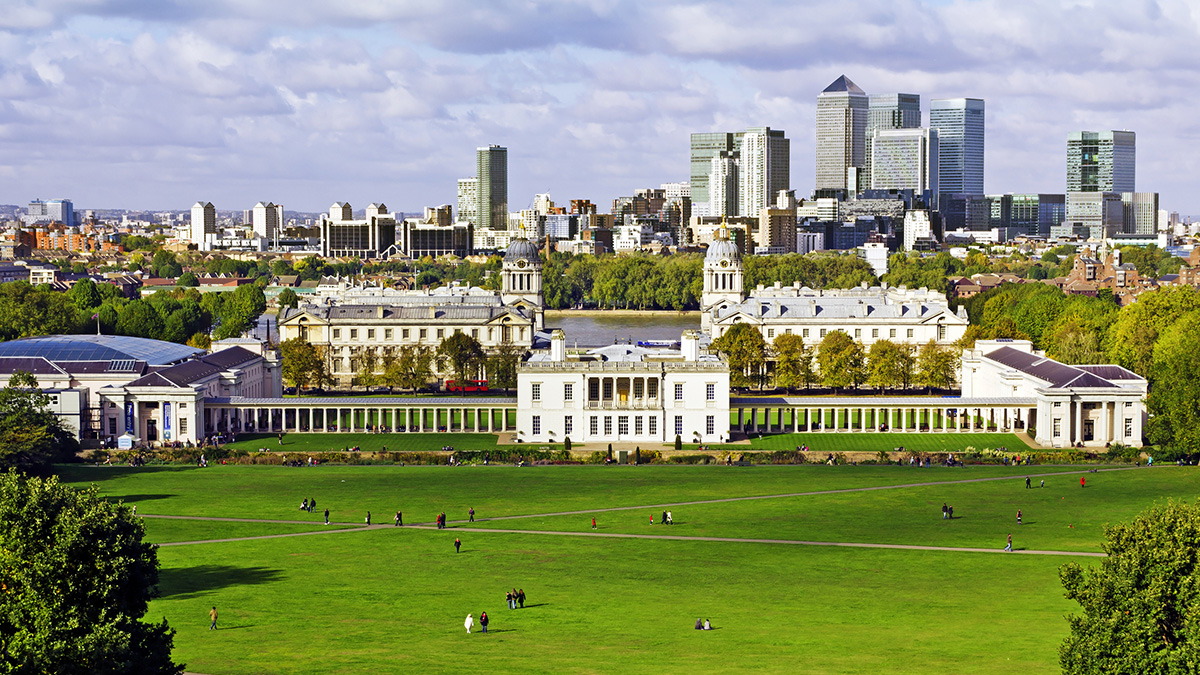
National Maritime Museum

The National Maritime Museum is another great location for students learning about the Second World War. With its extensive archives and official records of the Dunkirk Evacuation, students can use this as a prime educational resource to expand their knowledge of evacuations and conflict at sea, most notably the Battle of the Atlantic.

The museum continues to preserve the legacy of Operation Dynamo as the main custodian of the official ‘Dunkirk List’, which tracked and compiled hundreds of naval vessels and civilian ‘little ships’ that rescued over 338,000 Allied troops from the coast in 1940. Here, students can analyse the documents, historical art and artefacts to think critically about whether this event was a triumph or a disaster, yet was framed as a propaganda victory that helped sustain British morale and support for the war effort.

Bringing history to life in London


While textbooks provide the foundations of history, there is no better way to engage with history than by visiting the very places where it unfolded. From exploring the Imperial War Museum exhibitions to walking through the corridors of the secret underground headquarters of the Churchill War Rooms and uncovering the stories of Dunkirk at the National Maritime Museum, on a school history trip to London brings the realities of the Second World War into sharper focus.

These experiences offer a tangible link to the past through immersive exhibitions, real-life stories of survival, and artefacts, giving students the opportunity to think critically as they engage with diverse first-hand source material. They provide them with a deeper and richer understanding of the people, events and consequences that have shaped human history as we know it. They help students become more aware of the world around them and of others’ experiences, making them more empathetic and open to others.

Ultimately, by stepping beyond the classroom into a space where history was made, students gain a deeper appreciation and understanding of the past and how it continues to shape our world today.

Line graphic of trainers

Venture beyond the textbooks and into where history was made.

With expertly crafted itineraries that align with your learning and touring objectives, each school history trip brings learning to life, inspiring and educating future historians.

Speak to our team today.


Get in touch

Related Articles

Explore Medicine Through Time: School History Trip to London

Discover how medicine transformed from medieval remedies to life-saving breakthroughs on a school history trip to London.

Classroom vs Real World Learning: Why History Trips Win

Classroom vs real world learning: discover why school history trips win.

History Tour Guide and students hold map of Western Front with Thiepval Memorial

Brilliant Things You Can Do to Enhance Your WW1 & WW2 History Tour

With a helping hand from 2 talented History Tour Guides, we've come up with brilliant things you can do to enhance your WW1 & WW2…