We’re celebrating, having won the School Travel Awards – Best Large School Tour Operator award!

Discover the History on Your Doorstep: Connecting Local, National and Global History

Last updated: Sep 29th, 2026


There’s an abundance of hidden history in our local surroundings and exploring its past is one way to connect our local communities with the national and international history that has shaped our world today. From trade and industrialisation, to war, social change and beyond, each moment can be investigated from a macro or micro point of view, giving students a wide range of perspectives and helping them to increase their knowledge of important events.

As Rayburn Tours is sponsoring the 2027 Historical Association’s Great Debate, we’ve been inspired by this year’s question:


the Great Debate question graphic - how does your local environment help us to understand national and global histories?

We’ve put together some key area’s students can explore to uncover the history of their local environment and enhance their understanding of national and global histories.

1. Investigate primary sources and local archives

To begin the journey of exploring local history, venture to town libraries and record offices. Here, students can delve into old census records and street archives, uncovering the lives of people who lived in their neighbourhoods including their occupations and age and birthplace. Old newspapers, preserved maps and pictures can help develop students’ understanding of the very place they live, tracking the moments of daily events and social change that shaped the community at that time.


2. Speak to elderly relatives and members of the community

Speaking to elderly relatives, neighbours and members of the community such as business owners is an excellent way to get first-hand insights into the personal lives of the generations before. Conducting interviews around a thematic question about certain topics, such as wartime memories, political unrest or just day-to-day experiences, can help transform facts into engaging living narratives.

It brings the history to life, offering students a direct human-centred connection to the past that captures the undocumented experiences of everyday people, enriching students’ understanding of their local community’s past. These untold stories can help students foster empathy, and a deeper comprehension of events as they are experienced by individuals rather than simply recorded in textbooks.


3. Visit local heritage sites and landmarks

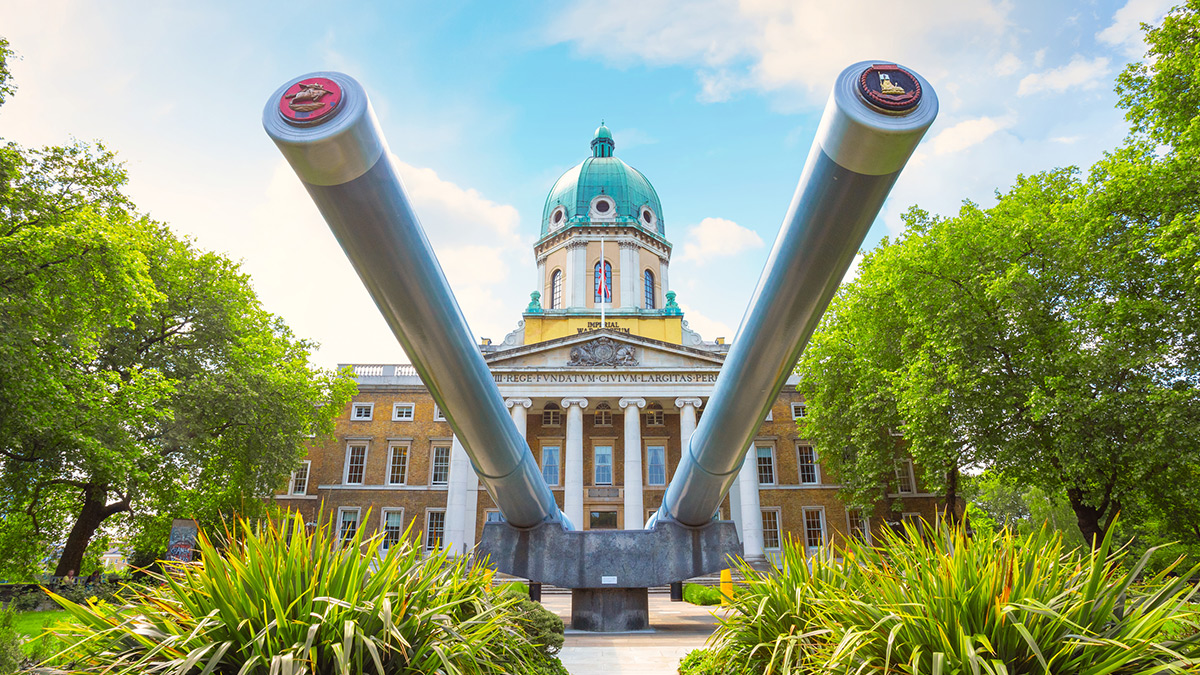
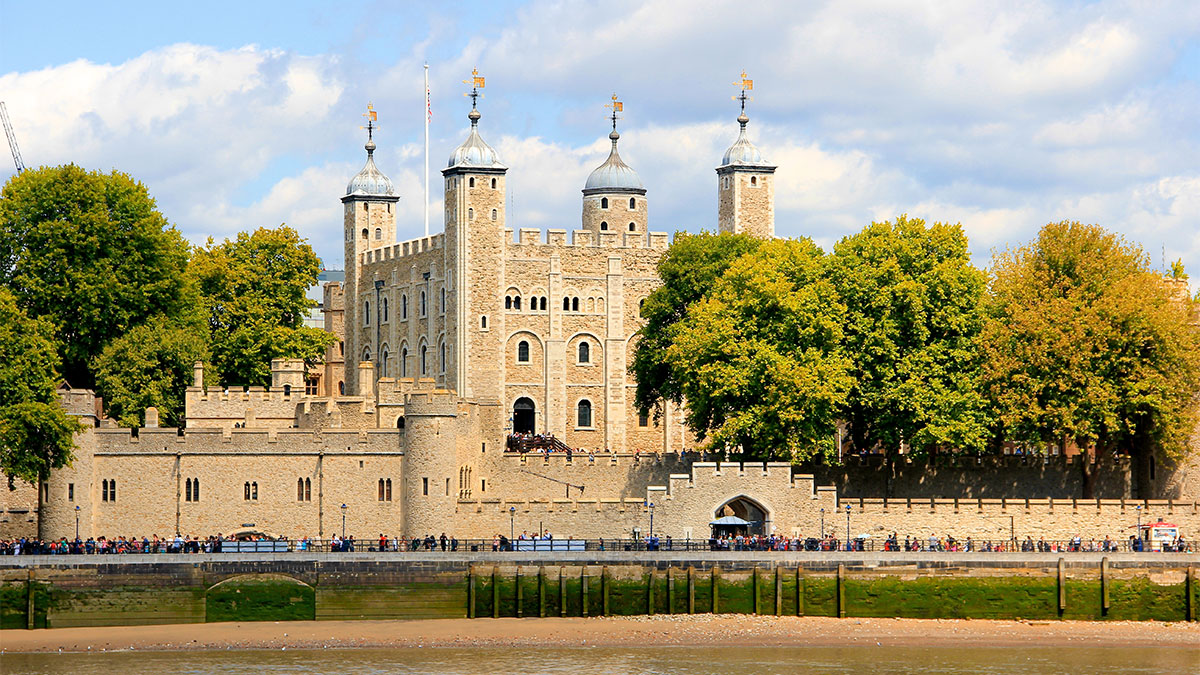
Whether you’re learning about Elizabethan England, The Second World War or Crime and Punishment, visiting local heritage sites and landmarks where events took place is a great way to explore how global and national history impacted the local area.

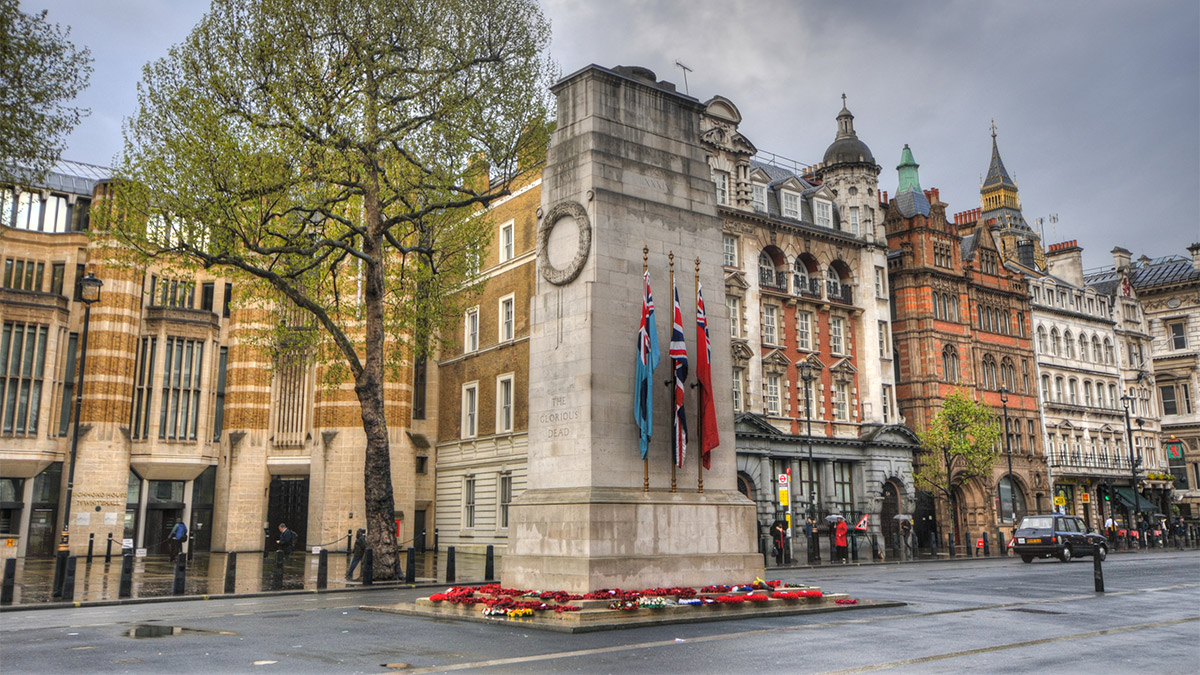
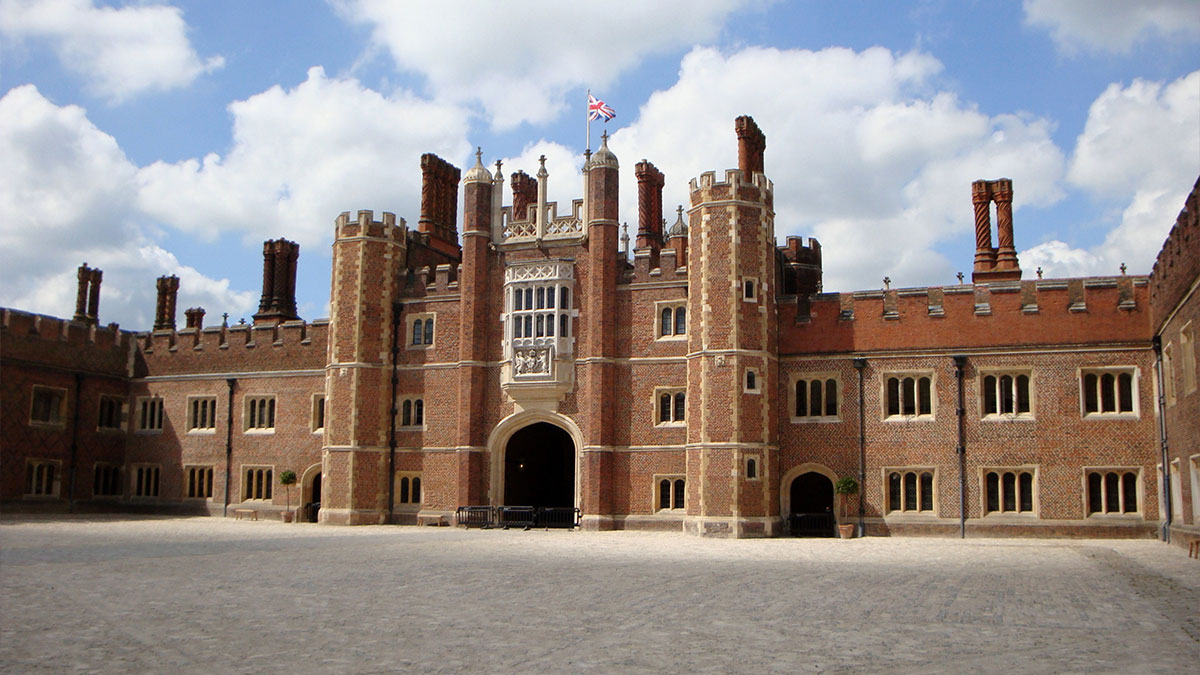
For example, the castles and many stately homes of the Elizabethan era dotted across the country can reinforce the wealth and inequality during this period, as shown through its grand architecture. Or for students learning about the First or Second World War, they can examine local war memorial sites and research the soldiers from their town through online databases, family history and archives.

Local heritage sites, landmarks and museums all provide a tangible link to the past. With physical artefacts and the insight students gain from exploring local archives and stories from relatives, they can form an enquiry into how global and national events have shaped their local area over time and the impacts these had on the community, making the past feel more relevant and meaningful.


4. Ask the questions

Exploring local history is interesting and impactful as students uncover the history of their hometowns. It encourages them to ask questions such as:

  • How does this location reflect national or global events and what impact did it have on the local community?
  • What does this location tell us about this point in history and the people who lived here?

These questions help build key historical skills, allowing students to research and report on their findings and link them to national and global events. Not only this, but it can also inspire students to go further with their historical study and strengthen their independent and critical thinking skills, along with active listening and empathy as they engage with the people and places around them.

If you’d like to get involved with the 2027 Historical Association’s Great Debate, click here for more information.

Line graphic of trainers

Ready to bring history to life?

Discover our expertly planned school history trips, designed to take learning beyond the classroom and give students the opportunity to explore history through real world experiences. Speak to our team today and let us help you plan an unforgettable school history trip.

Contact us