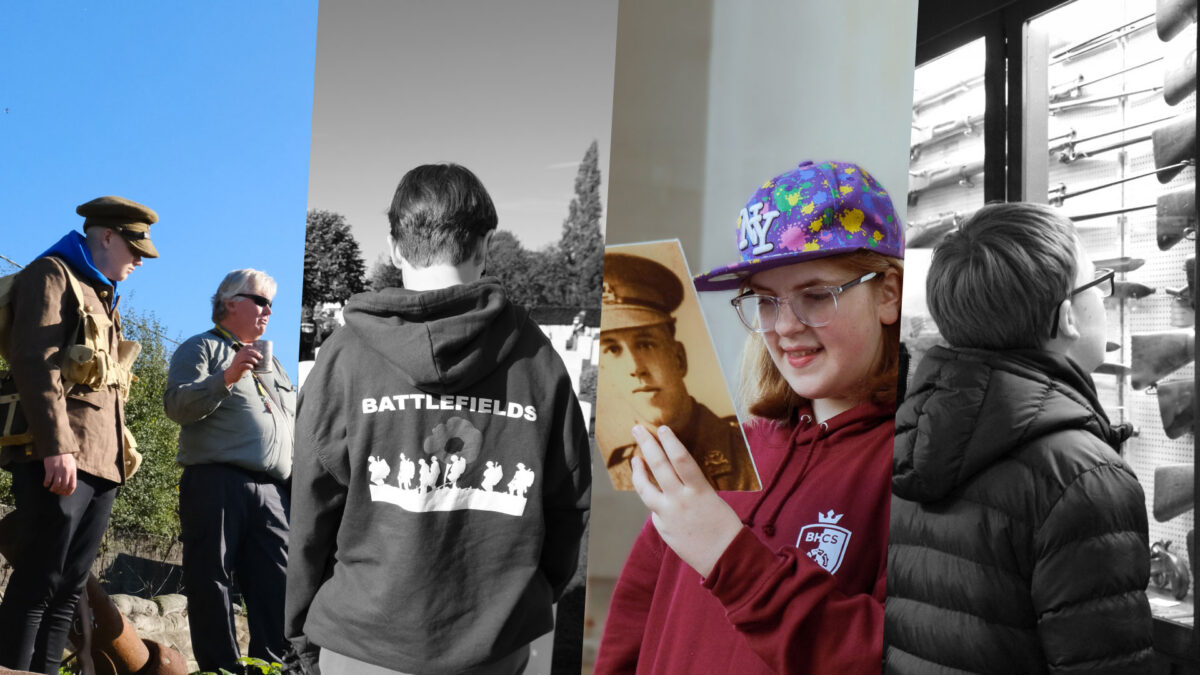
We’re celebrating, having won the School Travel Awards – Best Large School Tour Operator award!

Exploring The First World War from the Home Front to the Trenches

Last updated: Nov 5th, 2026


World War One school history trips take students to where history unfolded. From the Western Front and the trenches of Belgium and France to the home Front in Britain, the impacts of the First World War were felt across the globe. Its legacy can be seen today in memorials, historic sites and communities that remember those who fought and lost their lives.

As one of the deadliest and most devastating conflicts in history, the First World War transformed military tactics, introduced large-scale chemical warfare and exposed soldiers to horrific trench conditions and sustained artillery bombardments, its consequences reshaped societies and influenced future conflicts, making it an important part of history for students to explore.

Here’s how history students can explore the First World War, from the Home Front to the front line.

Digital archives and online resources

Alongside classroom learning, there is a wealth of online resources and digital archives for students to explore. Through key institutions such as the National Archives, the Imperial War Museum, English Heritage, students can examine historical photographs and footage from the period, as well as letters written by soldiers.

These digital archives and online resources provide students with a wide range of primary resources, including photographs, newspaper clippings, personal correspondence and official records, without leaving the classroom. They offer an excellent opportunity for students to develop their history enquiry skills and gain a deeper understanding of the people who experienced and shaped major historical events.


Local history and archives

History is all around us, from local memorials and requisitioned buildings to landscapes that have been shaped by the impact of war. Exploring the local area is a great way to discover how their community has changed overtime and how buildings were repurposed, damaged or destroyed during the First World War. Through online research and site visits, students can investigate how global events affected their own communities.

This gives students an opportunity to uncover their family history and how their local area was impacted by global events, from changes in factory production, job roles and day-to-day life while the soldiers were serving on the frontline.

Students can also research the names listed on their local war memorial and uncover the personal stories behind those who served. By exploring their backgrounds and military service and the impact their death had on families and the community, students can develop a personal connection to the past.

Through this research, students can discover how their local communities contributed to the wider war, while recognising the importance of preserving local heritage and keeping the stories of those who lived through it alive for future generations.

Immersive school history trips on the Home Front

Taking students to the places where historical moments unfolded is an excellent way to connect classroom concepts with the real-world experiences of those who fought, lost their lives or survived to share their stories.

London served as the industrial, financial and military command centre of the British Empire during the First World War. The city became a target during the Zeppelin raids and later bombing raids, making it an important destination for exploring how these changes significantly impacted British society and local communities.

London offers valuable opportunities to understand the great impact of industrialisation, imperialism and warfare on Britain’s social, cultural and economic development, as well as national identity through site visits and museums.

Key sites to visit in London:

  • The Cenotaph
  • Royal Artillery Memorial
  • Imperial War Museum
  • Grave of the Unknown Warrior at Westminster Abbey

Exploring the Western Front

You can also take students to the battlefields of Belgium and France. Visiting these sites provide students with profound insight into what life was like in the trenches, from the brutality of warfare and scale of casualties to the medical advancements made on the battlefield.

Students have the opportunity to walk in the footsteps of soldiers who fought in the Battle of The Somme and around Ypres, immersing themselves in a time of immense historical significance. These experiences help them to gain a deeper understanding of the realities faced by the soldiers on the frontline and the lasting human cost of the First World War.

Through visits to museums, such as Hooge Crater Museum and Memorial Museum Passchendaele 1917, students can discover trench systems used by both British and German regiments, explore authentic items recovered from the battlefields and increase their understanding of the conditions ensured by soldiers. They can also discover how the tactics and warfare technologies developed during the World War One, changing the way future conflicts would be fought.

Both the Somme and Ypres are home to memorial sites and cemeteries dedicated to those who fought and lost their lives during the First World War. These sites give students time to discover the stories of the soldiers from their local areas and regiments, as well as those from across the British Empire and Commonwealth, connecting their local community to the global impact of the war.

Memorial sites such as Tyne Cot Cemetery, Lijssenthoek Military Cemetery, and Thiepval Memorial provide stark reminders of the devastating impact war. As students explore the headstones and inscribed names on memorial walls, they can learn about the individuals behind the commemorations, including regiment and age.

These visits also provide moments for reflection, allowing students to consider the lives of those who served and compare their own experiences with those of the people remembered at these sites. Whether it’s taking a moment of silence, reciting a poem or leaving a wreath at the Menin Gate Ceremony, it teaches students about the human cost of conflict, and the lasting impact war has on individuals, local communities and the world reinforce and the importance of keeping remembrance alive.


Comparing remembrance across nations

Students can also compare how the British and Commonwealth soldiers are commemorated with how German soldiers are remembered. Langemark German Military Cemetery, the final resting places of tens of thousands of German servicemen offer a striking contrast to the other memorial sites nearby.

Its sombre atmosphere and distinctive memorial features compared to the bright white headstones and colourful flowers at the nearby British and Commonwealth war graves, display how opposing sides are remembered. By examining these differences, students can develop stronger knowledge of diverse experiences of those who fought and how the legacy or war continues to influence historical understanding today.

Key site to visit in Ypres and the Somme:

  • Menin Gate
  • Hooge Crater Museum
  • Tyne Cot
  • Thiepval Memorial

Related Articles

Classroom vs Real World Learning: Why History Trips Win

Classroom vs real world learning: discover why school history trips win.

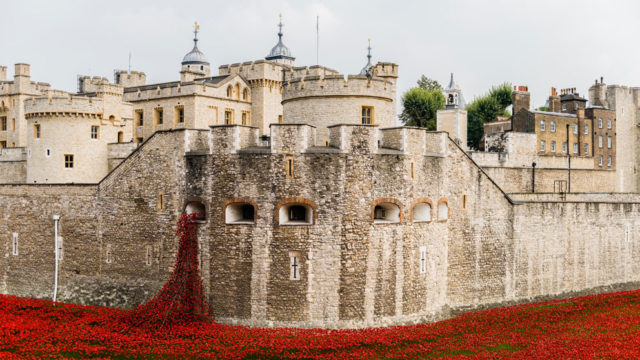
The Tower of London

Discover the History on Your Doorstep: Connecting Local, National and Global History

Discover how exploring local archives, heritage sites and community stories can help students connect local history with national and global events.

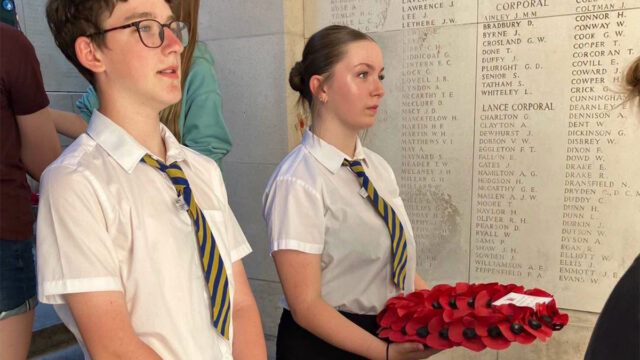
Mercia Academy at Menin Gate

Bringing History to Life: Mercia Academy’s First World War Battlefields Trip

Discover how Mercia Academy’s Year 9 students brought their First World War studies to life on an immersive Battlefields trip, exploring historic sites, memorials, museums…