We’re celebrating, having won the School Travel Awards – Best Large School Tour Operator award! Read more

Why Are School History Trips Essential for Student Learning?

Last updated: Apr 20th, 2026


History is a powerful story that shapes who we are, where we come from, and how we understand the world. That’s why school history trips play a crucial role in educating and transforming lessons into meaningful experiences that deepen learning and inspire young minds.  
How Do School History Trips Bring History to Life? 

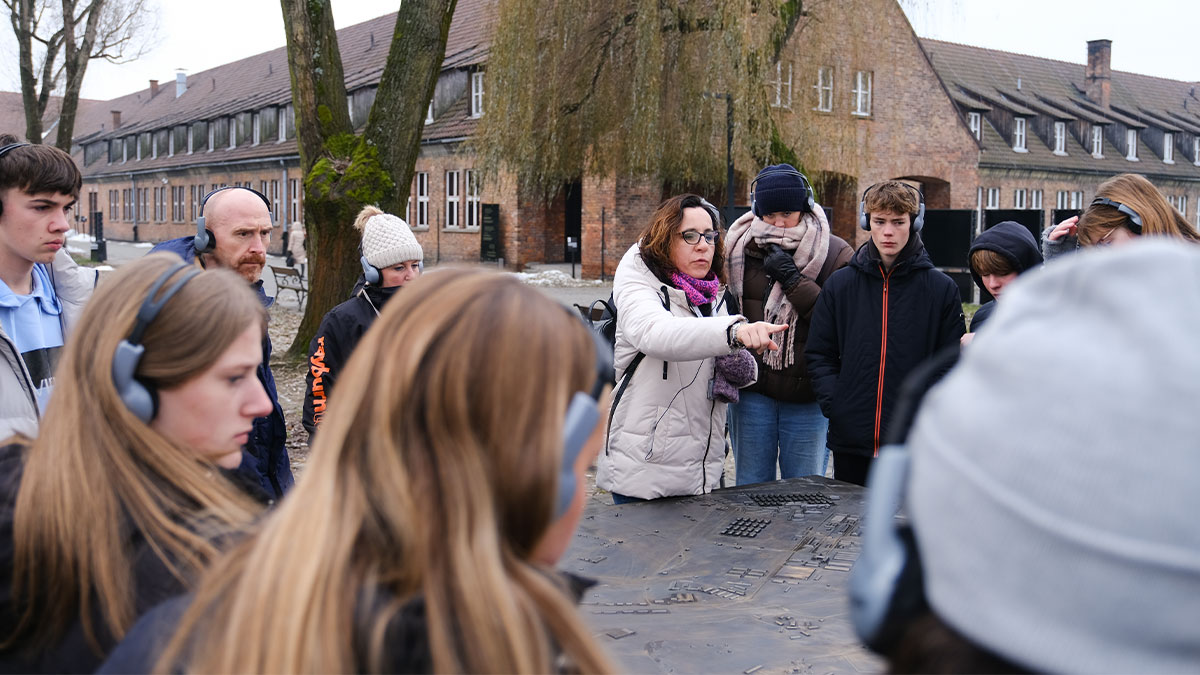
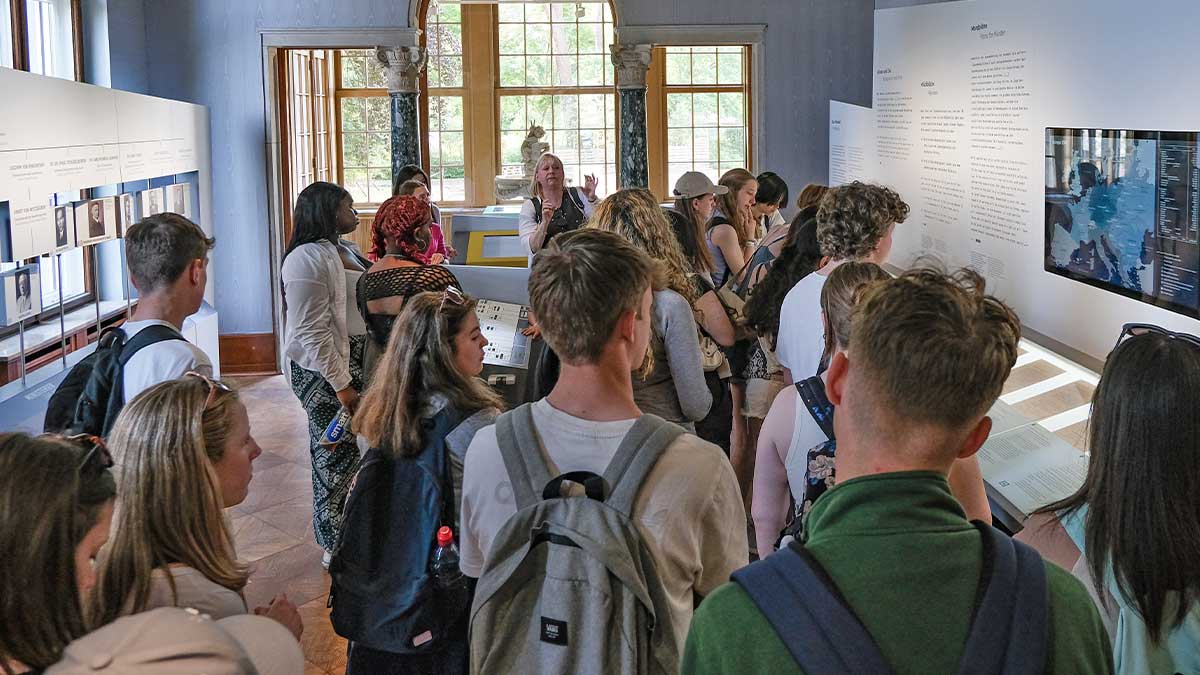
One of the greatest challenges in teaching history is making past events feel real and relevant to students. School history trips do exactly that by placing learners in the very locations where history happened. Instead of reading about the rise and fall of the Berlin Wall or the D-Day landings in a textbook, students stand where these pivotal moments unfolded. Whether at the historic Battlefields of Ypres and the Somme, on the streets of Berlin, a city shaped by division and reunification, or museums preserving powerful personal stories, this immersive context helps students connect emotionally and intellectually with historical ideas in a way that classroom learning alone cannot replicate.  


How Do School History Trips Align with the National Curriculum?  

A Rayburn Tours school history trips are carefully crafted to align with national curriculum goals and classroom content and give context to key topics that students are studying in school. Experiencing history in real life reinforces classroom learning in powerful ways that help students retain and apply knowledge in assessments such as the rise of Nazism in Munich or the context of WW2 in Poland.  


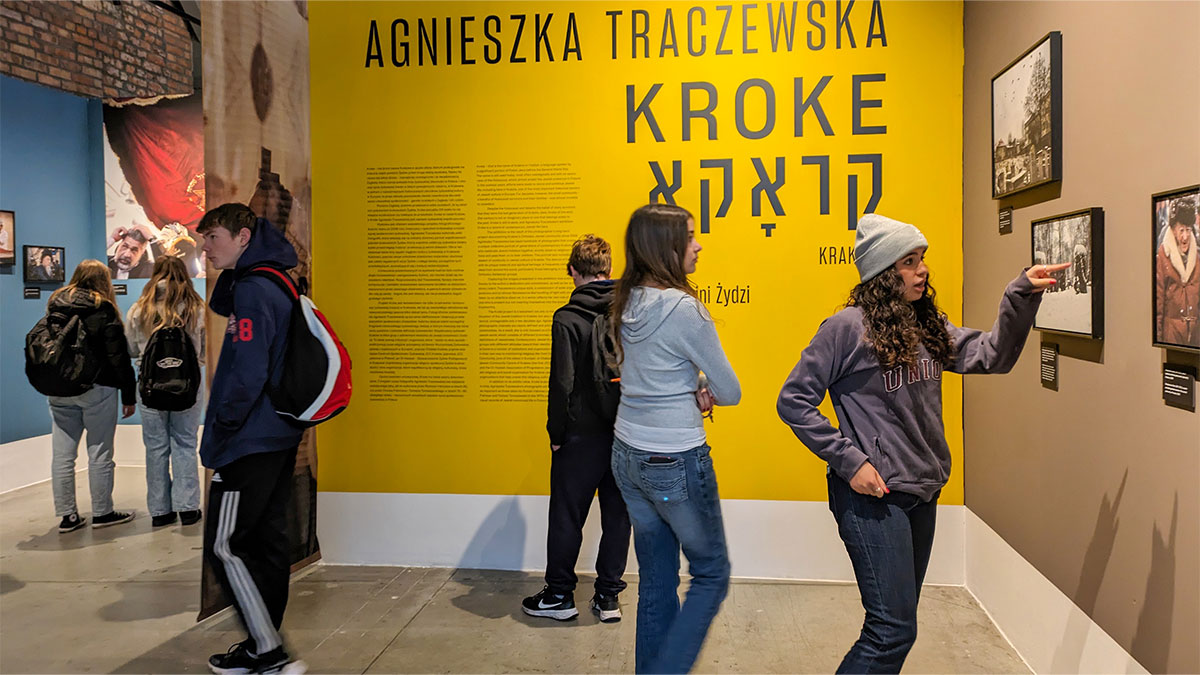
School group visiting Galicia Jewish Museum Krakow

What Skills Do Students Gain on a School History Trip Beyond the Curriculum? 

While strengthening curriculum knowledge is important, history trips also support a wide range of transferable skills that students will use long after their school years:  

  • Critical thinking and interpretation – Students evaluate real historical evidence and make connections between events and outcomes.  
  • Communication and confidence – Through discussions with guides, peers, and in group activities, students refine how they express ideas and ask meaningful questions.  
  • Independence and responsibility – Learning outside the classroom challenges students to take ownership of their education in unfamiliar environments.  
  • Collaborative skills – Exploring sites and working on enquiries together helps build teamwork and shared understanding.  

These skills are just as valuable as subject knowledge when it comes to exams and coursework. 


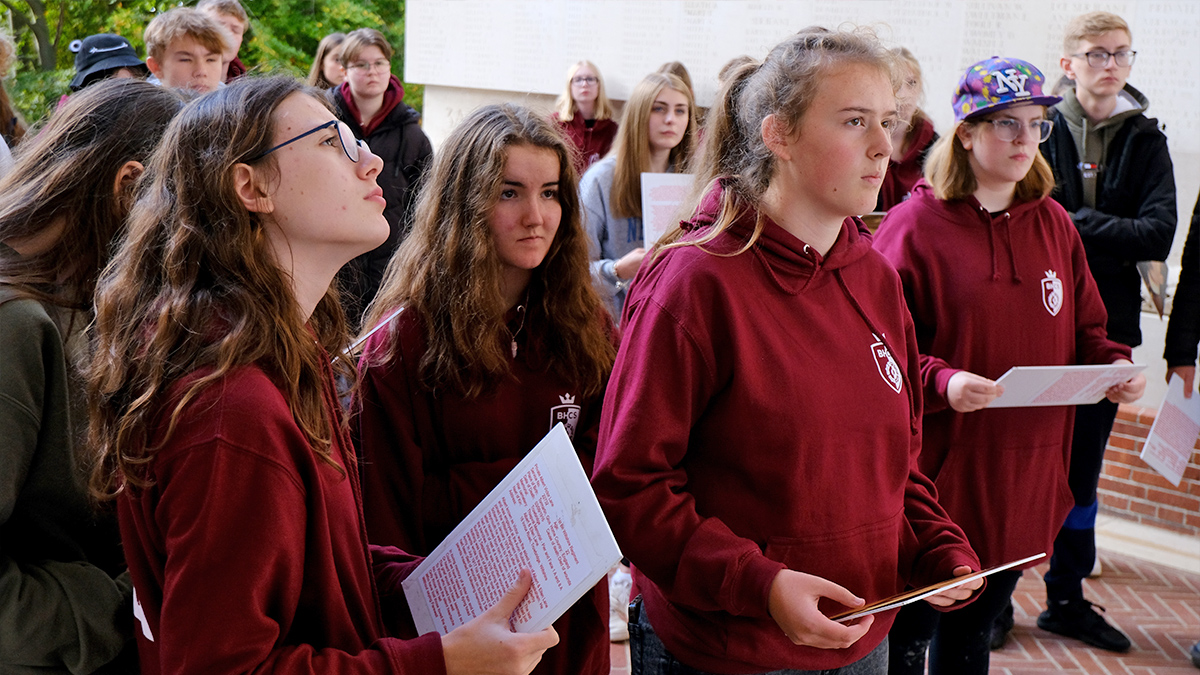
Group of students in matching burgandy hoodies paying attention to a non-pictured guide

How Do School History Trips Foster Empathy and Cultural Understanding? 

History trips also encourage students to appreciate diverse experiences and perspectives. Walking through memorials, museums, and historic cities highlights stories from many backgrounds and helps young learners understand not just what happened, but who lived through it and what it meant to them. In an increasingly interconnected world, this cultural empathy is invaluable.  

Graphic of plane outline

Where Lessons Leap Off the Page

From engaging guided tours to immersive visits at iconic historical sites, our school history trips are designed to inspire learning, spark curiosity, and create memories that last a lifetime.  

Plan your next history trip with Rayburn Tours today and give your students the ultimate educational experience. 

Contact Us