We’re a finalist in the 2026 School Travel Awards! We’d love your vote.

Vote now

School History trips to London: World War 1 and the Home Front

Last updated: Jun 4th, 2026


The First World War has shaped British and global history as we know it today. While much of the conflict happened on the battlefields overseas, the impacts of the war were felt deeply at home, transforming the lives of civilians across the country and leaving lasting marks across the city.

A school history trip to London offers students a powerful learning experience. It provides an opportunity to step beyond the textbook and discover the real stories of the First World War, including the often-overlooked experiences of those on the home front. From immersive museums to insightful guided walks and poignant memorial sites, each student can return home with stronger critical thinking skills, greater empathy and a deeper understanding of the human cost of the Great War that will stay with them long after the trip ends.
Step back in time to the WW1 Home Front


Zeppelin Walking Tour

Long before the Second World War Blitz, there were the Zeppelin Raids, history’s first strategic bombing campaign carried out by the German military in 1915. Follow the path of destruction that brought the frontline warfare to Londoners’ doorsteps as bombs rained down on the capital and discover how the thriving city transformed into a major military hub. Students will also learn how the Germans utilised the adverse weather conditions to drop bombs on London during the ‘Silent Raid’.

During this walking tour, students will stop at key sites that sustained severe damage and hear firsthand accounts from those who witnessed these terrifying attacks. They will also gain further insight into life on the World War One home front. Students will learn about the lives lost due to the sustained bombings and the lasting impact the Zeppelin Raids had on Londoners, as the city adapted to the realities of modern warfare for the very first time.

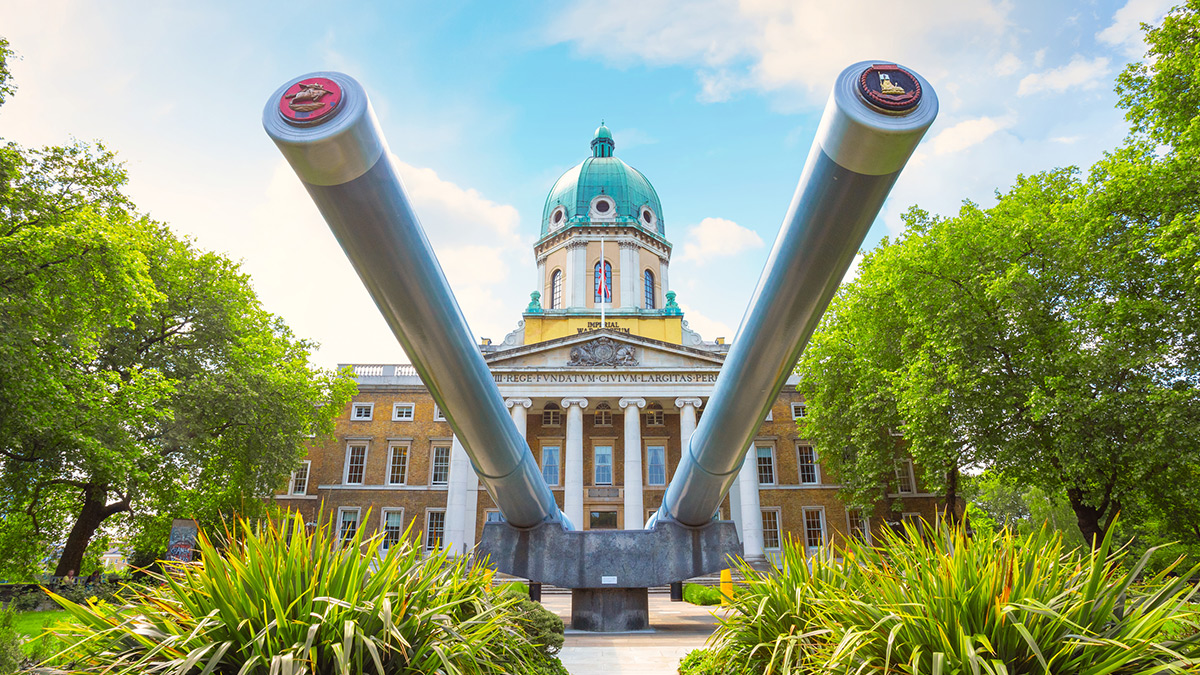
Imperial War Museum, London


Imperial War Museum

The Imperial War Museum is a must-visit excursion on any school history trip to London learning about World War One. The museum features award-winning galleries dedicated to the First World War, featuring over 1,300 objects, including weapons, diaries, clothing, film, and art, that tell the story of how the ‘Great War’ was fought and won.

The museum also explores the impacts on the people at home and across the globe, sharing their stories of not only suffering and loss, but also love and camaraderie, through one of the darkest times in human history.

As students walk through the insightful exhibitions, they will develop their understanding of the causes of the war and the events that followed, from the declaration of war to the Armistice and the signing of the Treaty of Versailles.

Students can also learn about trench warfare and the most brutal battlefields on the Western Front, the Battle of the Somme. The museum takes immersive learning to a whole new level as students can step into recreated sandbag-lined trenches, surrounding them with the sights and sounds of the battlefields. This helps them to imagine what life in the trenches was like firsthand, through personal accounts, poems and letters written over 100 years ago.

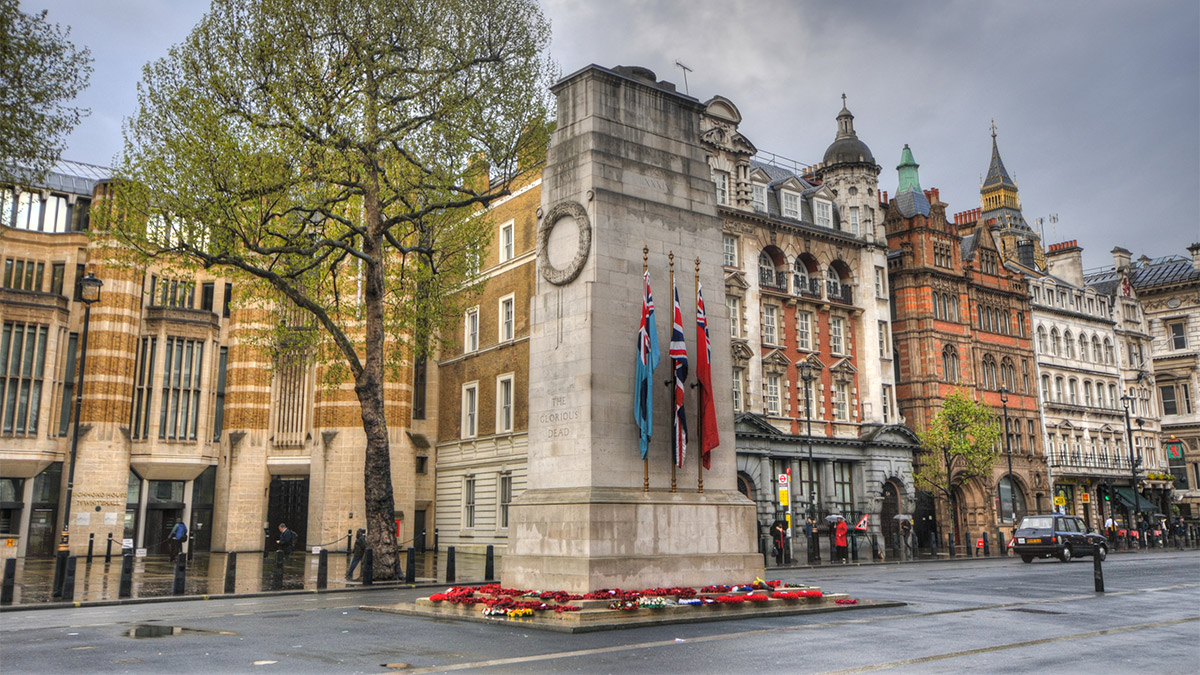
Cenotaph London


The Cenotaph and memorial sites

As your group explores London, you may come across several memorial sites dotted across the city dedicated to the servicemen and women who lost their lives during the First and Second World Wars. One of the most recognisable memorial sites is the Cenotaph located in the heart of Whitehall, which stands as the main national memorial to the British and British Empire soldiers who died in the First World War and later conflicts.

Designed by Sir Edwin Lutyens, the Cenotaph was unveiled in time for the November 11th, 1920, Armistice Day parade to symbolise the universal cost to humanity and grief felt by all races and religions as a result of global conflict. Within a week, 1.25 million people visited the Cenotaph, which was 10 feet deep in flowers.

Visiting the Cenotaph and other memorial sites across London can bring the true realities of war into focus and reminds students that the history they are learning about in the classroom is still visible throughout the city.


Why is it important to teach students about the importance of remembrance?

Teaching remembrance helps students understand what previous generations fought and sacrificed for, while encouraging respect, empathy, gratitude and critical thinking.

As students learn about the horrors of war, remembrance encourages them to reflect and learn in a respectful way. Rather than sensationalising conflict, it highlights the human cost of war, alongside the courage and sacrifice of those involved, helping keep their stories and the history alive for future generations.

To learn more about why remembrance is important for young people, read our blog.

Line graphic of trainers

Transform the learning experience beyond the classroom.

Bring WW1 learning to life with an immersive school history trip to London. Speak to our team today, and let’s start planning your next unforgettable adventure.


Get in touch

Related Articles

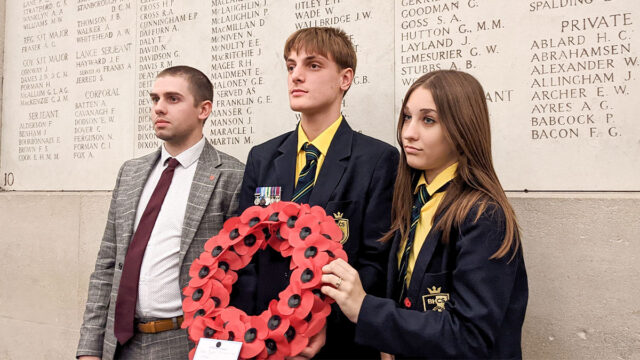
School pupils laying a poppy wreath at the Menin Gate Ypres

Why Remembrance Day is so important for young people

Learn why Remembrance plays a vital role for young people in their knowledge of world history and how it can help shape their future.

Explore Medicine Through Time: School History Trip to London

Discover how medicine transformed from medieval remedies to life-saving breakthroughs on a school history trip to London.

Crime and punishment history in London

Exploring London’s Dark History: School Trips That Bring the Past to Life

Discover how immersive experiences and site visits across the city help students connect with the past and deepen their understanding of crime, punishment and the…