We’re a finalist in the 2026 School Travel Awards! We’d love your vote.

Vote now

Why Rome is the Ultimate Classroom for Learning About the Roman Empire

Last updated: Jul 16th, 2026


The Roman Empire is a fascination for many people around the world for centuries and for good reason. With ruins still standing today and stories of war, betrayal and imperialism, Ancient Rome continues to captivate imaginations of all ages and offers unique insights into one of history’s most influential civilisations. A school history trip to Rome brings learning to life in some of the most impactful was possible. It takes students outside the classroom and to where history unfolded.

Here’s why Rome is the ultimate classroom for learning about the Roman Empire!
Timeline of history

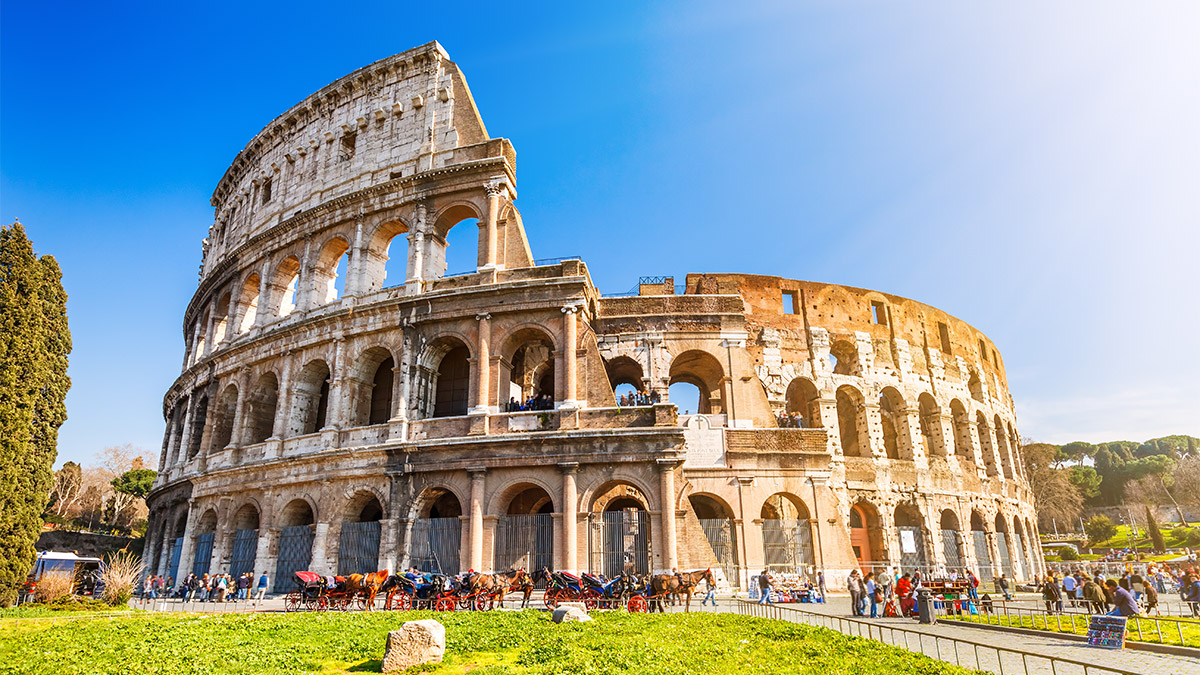
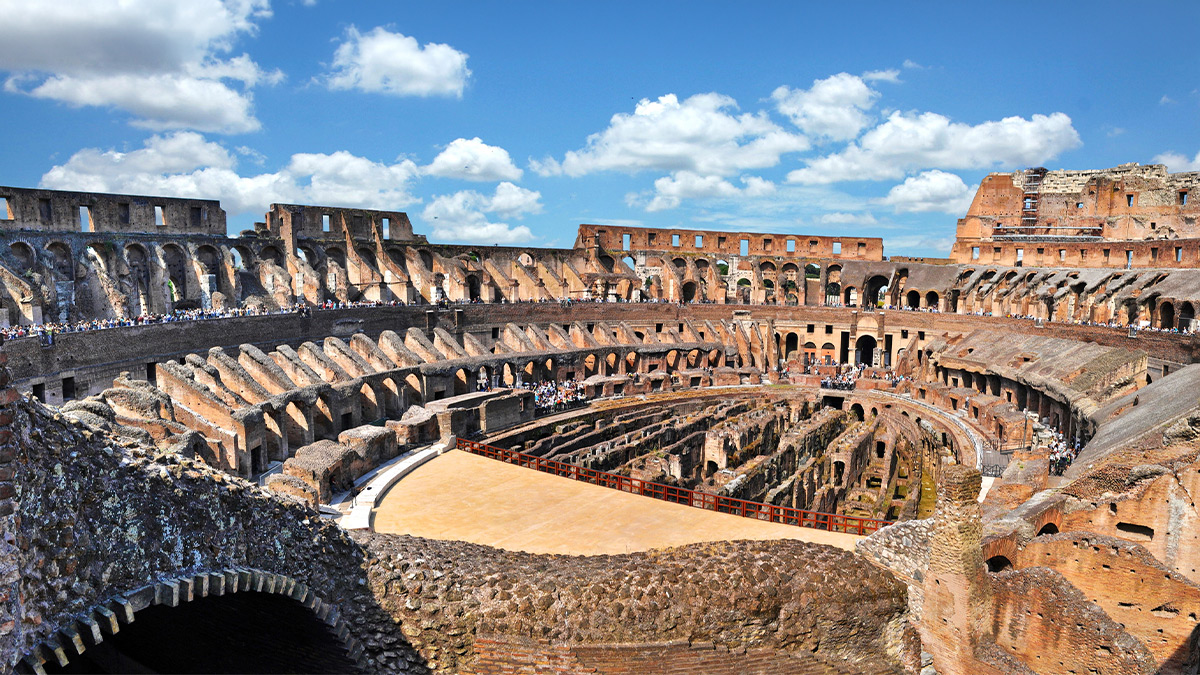
Exploring the city on foot is one of the best ways to learn about the Roman Empire. With ancient ruins and monuments dotted throughout the city, it provides great insight into the timeline of ancient history. Through architecture, museums and urban planning, Rome acts as a living museum, allowing students to journey from its founding in 753 BCE to the fall of the Western Roman Empire in 476 CE. Along the way, they can uncover key sites where history was made, from Palatine Hill, the legendary birthplace of Rome, to the remains of Theatre of Pompey, where Julius Caesar was assassinated in 44 BCE.

Walking through the same streets as ancient Roman citizens, senators and emperors, students can gain a deeper understanding of how politics and power transitioned Rome from a republic to an empire under imperial rule.  Not only this, but it also shows how this period influenced subsequent moments in history through innovation, engineering, religion and architecture that continue to shape our world today.


Spectacular architecture

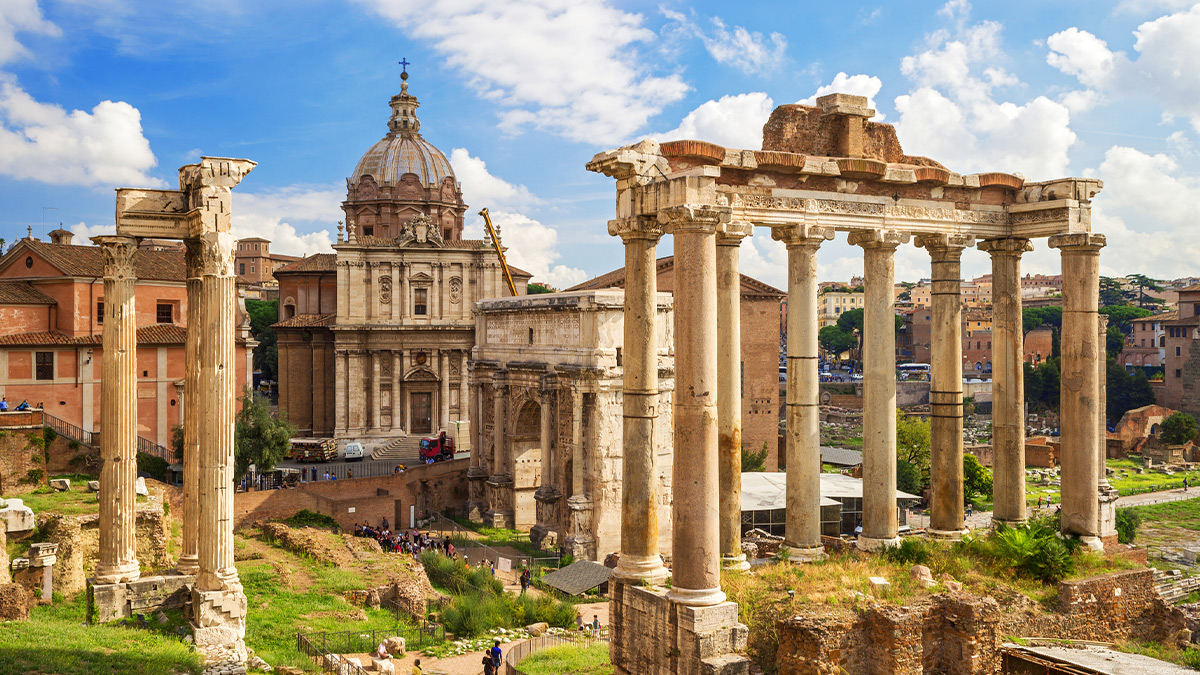
Today, students can walk down the Via Sacra, translated as the Scared Way, the oldest and most famous street in Rome. Paved in the 6th century BCE with hard-wearing basalt blocks, this street acted as the main road in ancient Rome, leading from Capitoline Hill and through the Roman Forum to the Arch of Titus and the Colosseum. It served as a ceremonial route for imperial triumphs and religious festivals, as well as the main walkway into the city.  Students can marvel at the techniques, materials and sheer scale of the engineering and ambition the ancient Romans had that has lasted centuries.

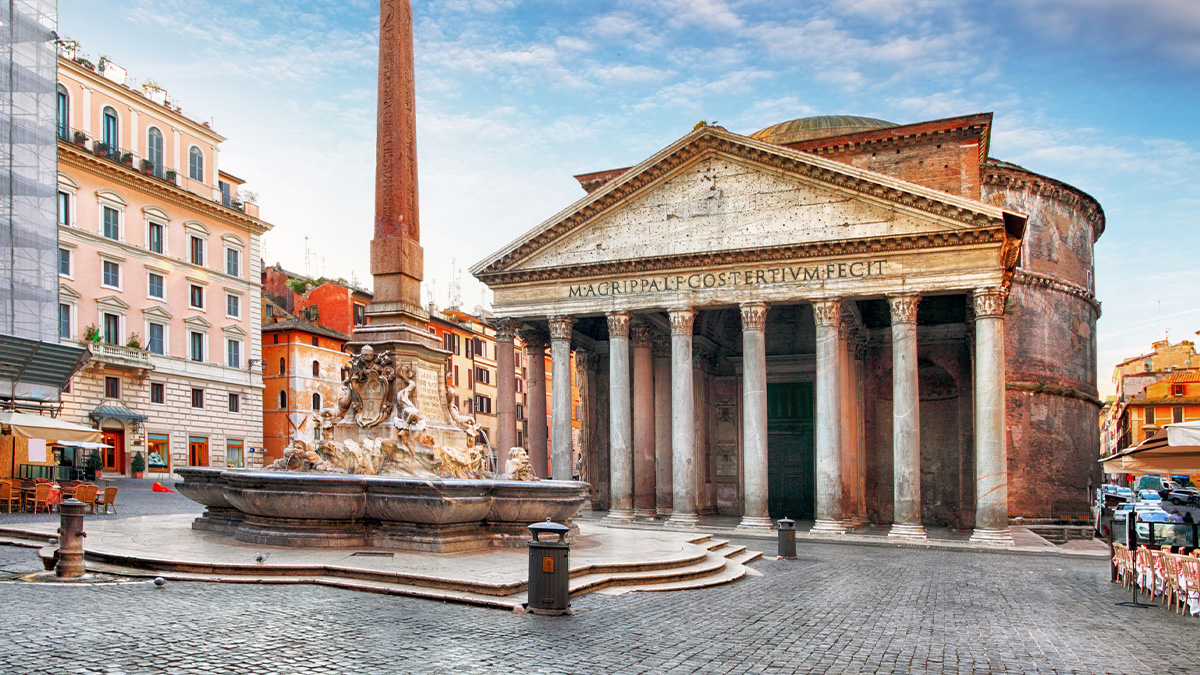
Another mesmerising, geometric wonder is the Pantheon, built in the 2nd century and dedicated to all the Roman gods – it later became a basilica of Santa Maria ad Martyres in 609 AD. The temple symbolised Rome’s power and its position in the heart of the empire. It was later reconstructed by former Roman Emperor Hadrian between 118 and 125 AD and as a result, students can uncover the groundbreaking and ingenious methods to construct such a building, from the Roman concrete mixture to weight distribution. It remains the largest unreinforced concrete dome in the world!


Everyday life insights

Sites like the Roman Forum, Baths of Caracalla and the Circus Maximus provide students with a look into what daily life was like for the Romans. Students can discover where Romans relaxed and socialised, held political debates and watched live sporting events, furthering their historical interest and inquiry into how everyday situations have evolved to the present day.

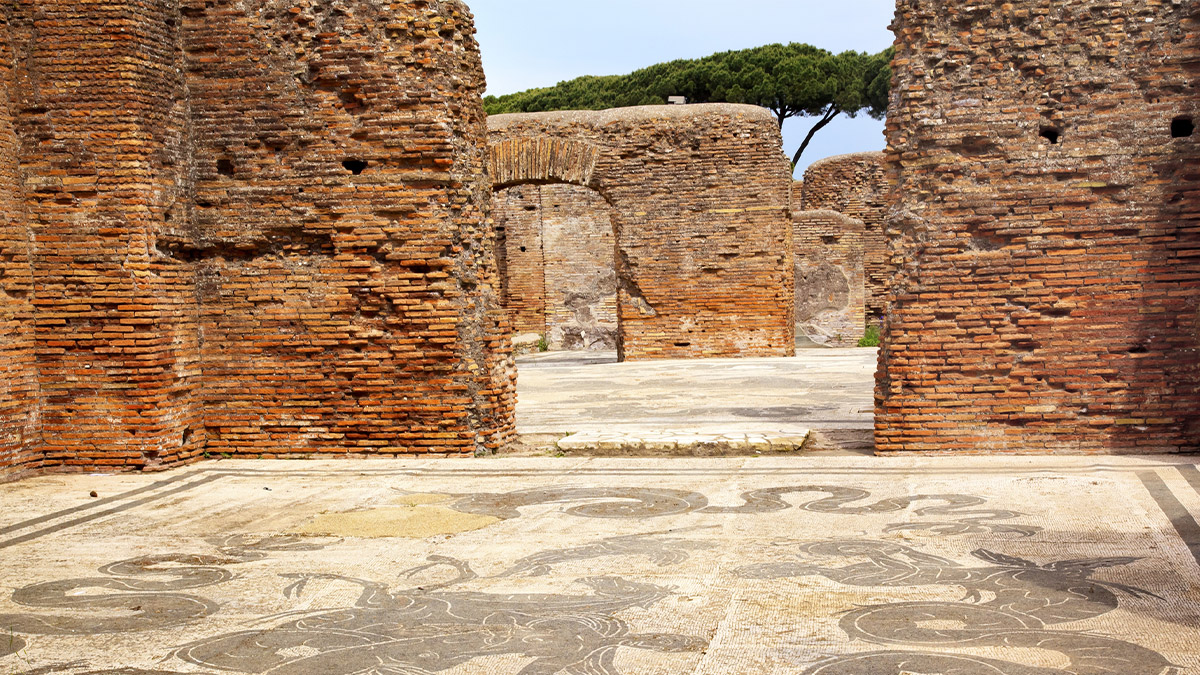
Another location that gives an insight into daily life during the Roman Empire is Ostia Antica. Located 16 miles southwest of central Rome, it’s one of the most well-preserved roman towns and was once a bustling seaport. Students will be amazed at the intact mosaics and ruins where each one has a story to tell. From commercial trade to ancient fast-food shops, taverns and restaurants to religion and socialising, Ostia Antica brings the ancient world to life through a fully immersive experience, allowing students to explore how ordinary citizens lived, worked and interacted nearly 2,000 years ago.

?>

Some amazing experiences that have brought the Roman world to life for students.

Mr. Ben Monk

A Cross-Curricular Learning Experience

School trips to Rome aren’t just for history enthusiasts but also for anyone who’s interested in art, food technology and STEM. It’s a great destination ideal for multiple year groups or subjects as it has it all, including excellent museums, delicious cuisine and incredible architecture, making it a fantastic inclusive option.

Transform the learning experience

Take students outside the classroom and to where history happened. From the legendary birthplace of Rome to the assassination of emperors and the rise and fall of one history’s greatest empires, embark on an unforgettable educational adventure.

Contact us

Related Articles

image of the Parthenon on the Acropolis in Athens, Greece

Top 5 Historical Sites in Greece to Visit on a School History Trip

Discover Athens' top five site on a school history trip, from the iconic Parthenon and Ancient Agora to the Theatre of Dionysus. Explore the birthplace…

Classroom vs Real World Learning: Why History Trips Win

Classroom vs real world learning: discover why school history trips win.

How School Trips Enhance the Study of Ancient History

School trips transform the study of ancient history by taking students beyond the classroom and into the places where history happened. Discover five ways immersive…