We’re a finalist in the 2026 School Travel Awards! We’d love your vote.

Vote now

How School Trips Enhance the Study of Ancient History

Last updated: Jul 21st, 2026


Whether your students are learning about Ancient Greece or the Roman Empire, reading about these civilisations in textbooks or watching documentaries cannot fully capture the magnificent impact they had on our world today. From the ancient Greek innovations that paved the way for Western civilisation to the revolutionary engineering and infrastructure of the Roman Empire, students can explore the very places where influential philosophers debated and where powerful emperors ruled their territories as well as the monuments that played a vital role in civic life.

Here are 5 ways educational visits improve the study of Ancient History.

Contextualises abstract concepts

Educational visits bring history to life. They transform reading about ancient history and into an unforgettable, immersive learning experience, as you take students to where history unfolded. Students are transported to where key moments in history took place, from the birthplace of democracy in Athens to the eruption and rediscovery of Pompeii to the sites where Roman Emperors met their deadly end.

These trips help students connect with the scale of the past as they explore the ruins of temples, markets and homes. They can imagine what daily life was like in a thriving society as they walk through archaeological sites and along the very cobblestoned streets that civilians walked on centuries ago. Educational visits to ancient historical sites provide them with first-hand resources to develop their understanding of the topics they are learning about in the classroom, encouraging curiosity, critical thinking and a deeper appreciation of the people, cultures and events that have shaped the ancient world.


Provides hands-on learning experiences

Educational visits provide students with a variety of hands-on learning experiences. Through visits to archaeological parks that are still uncovering treasures of the past or the Valley of the Temples in Sicily and Paestum in Campania, students can examine authentic artefacts or touch replicas of everyday items and compare them to what we use today. Getting hands-on learning experiences helps reinforce abstract concepts into something tangible and memorable.

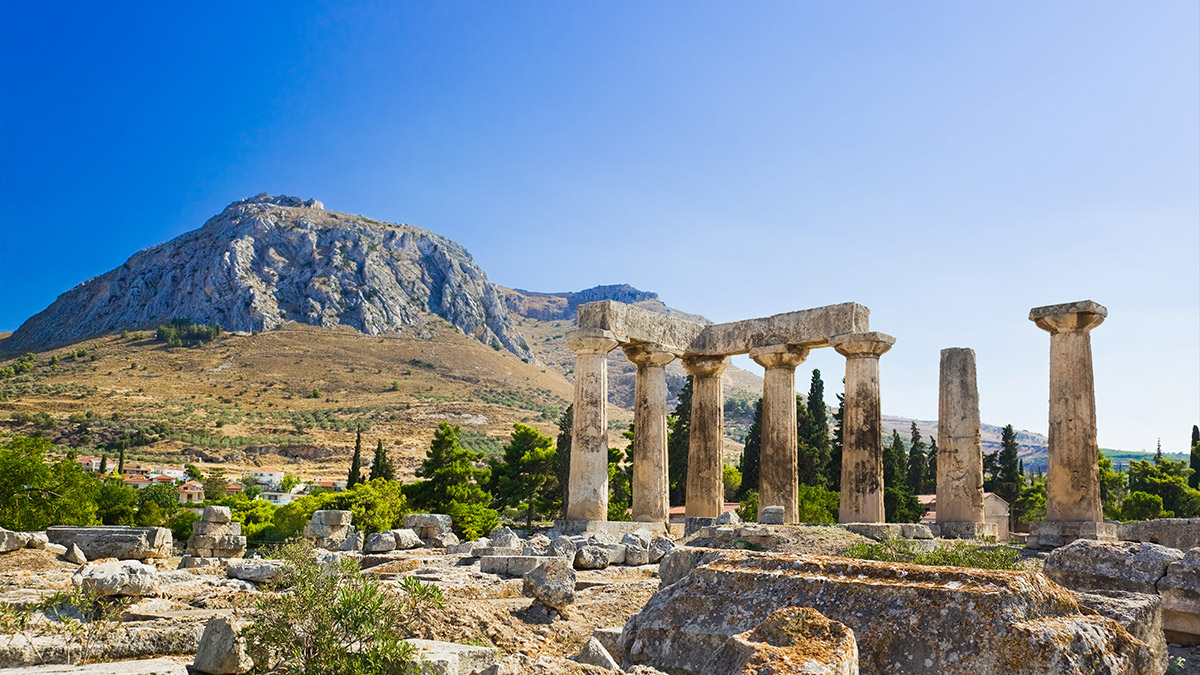
Ruins of a temple in Corinth


Encouraging cultural thinking

Placing students in historical sites, such as the Ancient Greek Agora, where famous philosophers spent their time debating topics that include reality, morality, virtue and politics, allows them to develop their critical thinking skills. These discussions helped lay the foundations of Western civilisation and democracy. Using the evidence around them and the stories of ancient history gives students the opportunity to ask deeper questions about why and how historical events unfolded.

Students can use different sources of information to gain insight into the ancient world and uncover how their lives differ from ours today. In addition, by learning about philosophers, rulers and other important figures of the time can teach students about how past civilisations continue to influence one another, from the architecture of the Pantheon in Rome, which combines Greek temple architecture with innovative Roman engineering, to the column ruins still dotted around the city to how modern society functions today.

Fosters cultural empathy

Immersing students in different cultures and exposing them to different perspectives can help broaden their worldview, foster empathy and help make the historical timeline feel more connected to human history. By learning about not only the powerful and significant people in ancient history but how civilians spent their days, with visits to Ostia Antica on the outskirts of Rome or the theatre of Dionysus in Greece, students can develop a more balanced understanding of the past and discover how they ran businesses, enjoyed theatre and engaged in intellectual discussions. It’s places like these where students can become immersed in these shared human experiences that continue to connect us with people who lived in the ancient world.
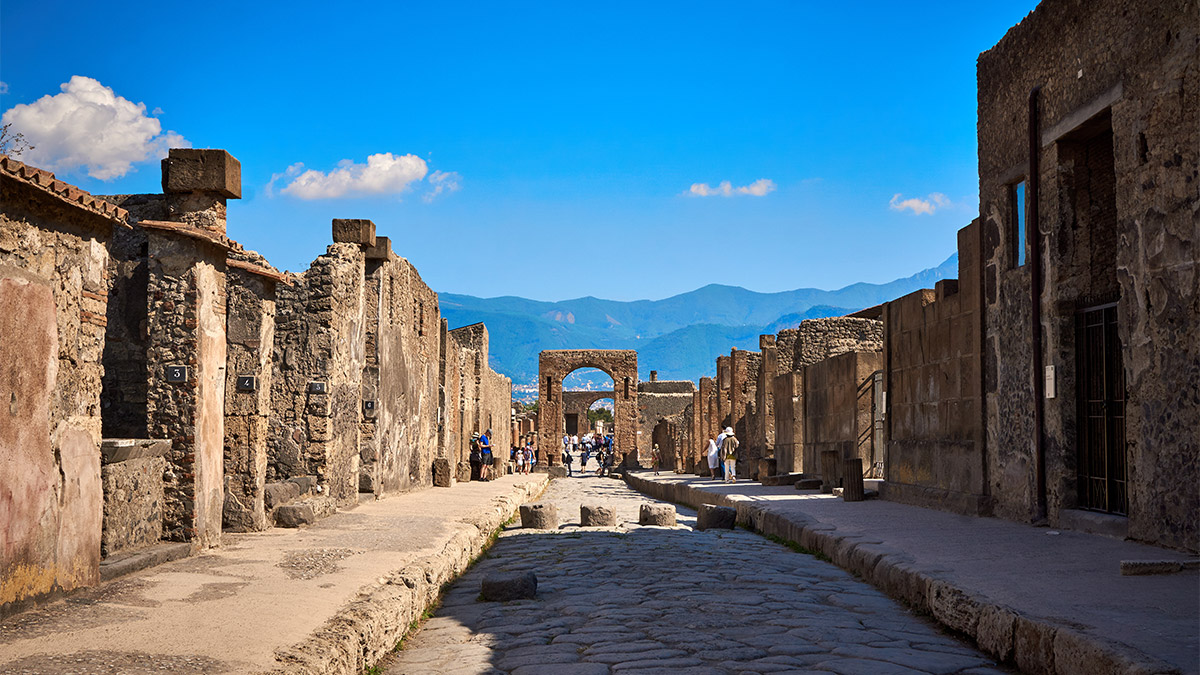
 

The stepping stones in Pompeii


Offers an enriching learning experience

Travel offers an abundance of enriching moments for students. It provides a range of new cultural experiences, from meeting new people and learning about their history and customs, to trying new cuisines and learning common phrases, students not only learning about pivotal moments in history but also gain valuable cultural experiences.

Taking learning outside the classroom provides students with an array of benefits that extend beyond education, but also personal development skills and further interest in the world around them. Ancient history naturally applies to a range of subjects, not just history. These trips explore every aspect of ancient history, from daily life to architecture and geography to food technology and STEM. It’s a way of igniting a passion and wonder about the past by transporting students into a time of innovation, societal change, power and discovery, allowing students to experience history as a living story, rather than a series of dates and events in a textbook.

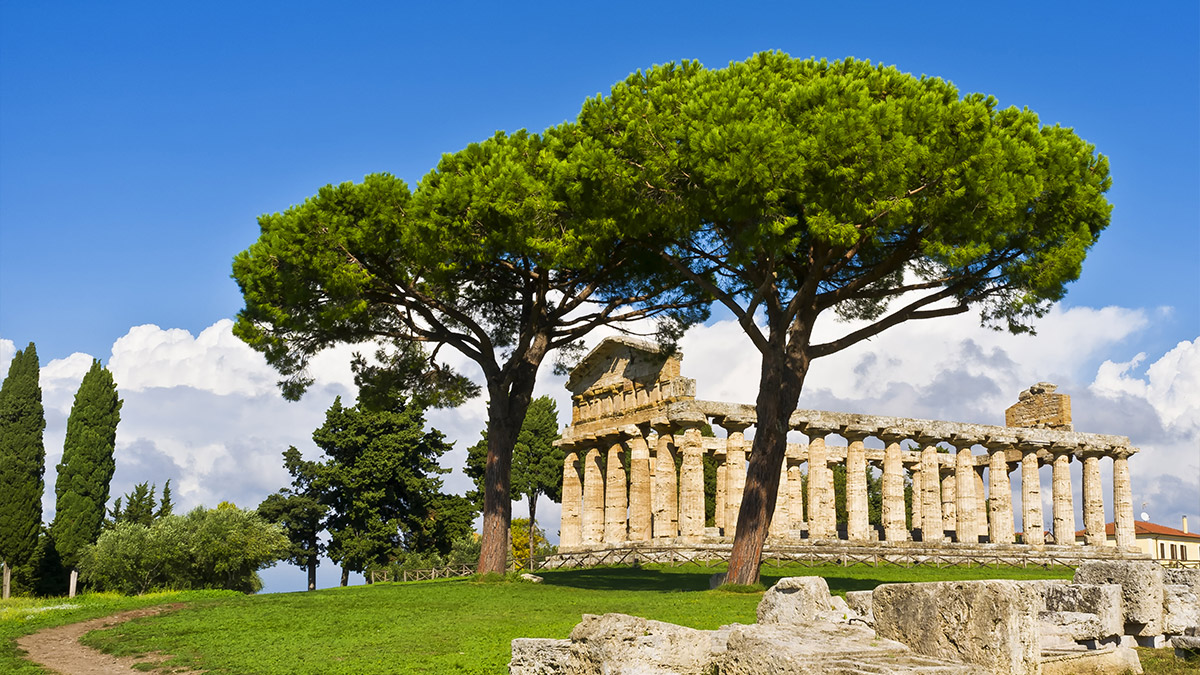
Discover the ancient world today

From the birthplace of democracy to the volcanoes of Sicily and the rise and fall of the Roman Empire, the ancient world continues to shape the world around us today. Immerse students in the past by taking them to living museums, where history comes alive and reveals tales of thriving empires, war and resilience.

Book your ancient history school trip today.

Contact us

Related Articles

image of the Parthenon on the Acropolis in Athens, Greece

Top 5 Historical Sites in Greece to Visit on a School History Trip

Discover Athens' top five site on a school history trip, from the iconic Parthenon and Ancient Agora to the Theatre of Dionysus. Explore the birthplace…

The Colosseum in Rome Italy

Why Rome is the Ultimate Classroom for Learning About the Roman Empire

From antient ruins to lost civilisations, discover why Rome is the ultimate classroom for learning about the Roman Empire.

Classroom vs Real World Learning: Why History Trips Win

Classroom vs real world learning: discover why school history trips win.