Connecting with the curriculum
Landmarks, immersive museum exhibitions and insightful walking tours help students connect with the curriculum on a deeper level. Rather than watching or reading about key moments that have transformed British history, students are actively learning and engaging with different sources of information that can provide them with multiple perspectives on how and why the events occurred, and what they meant for Britain at the time.
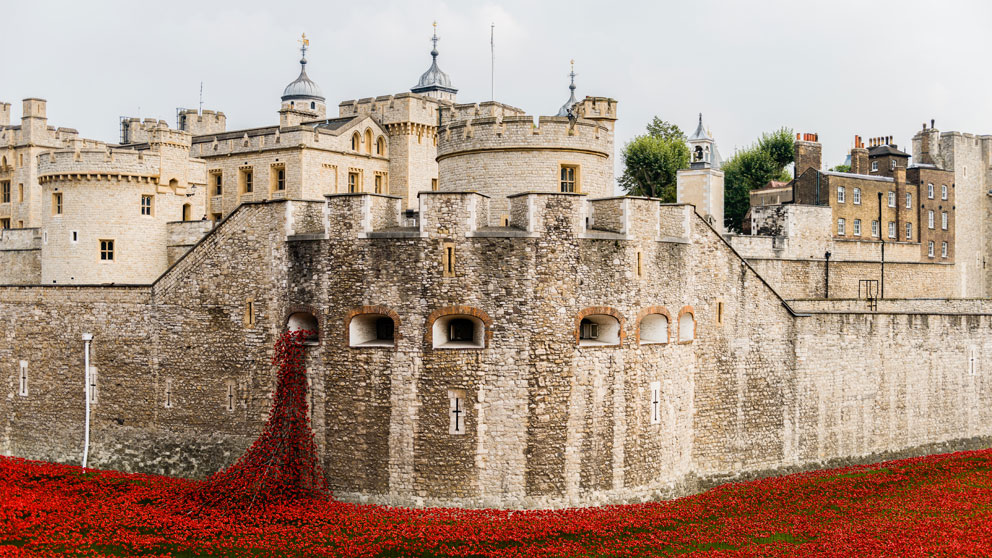
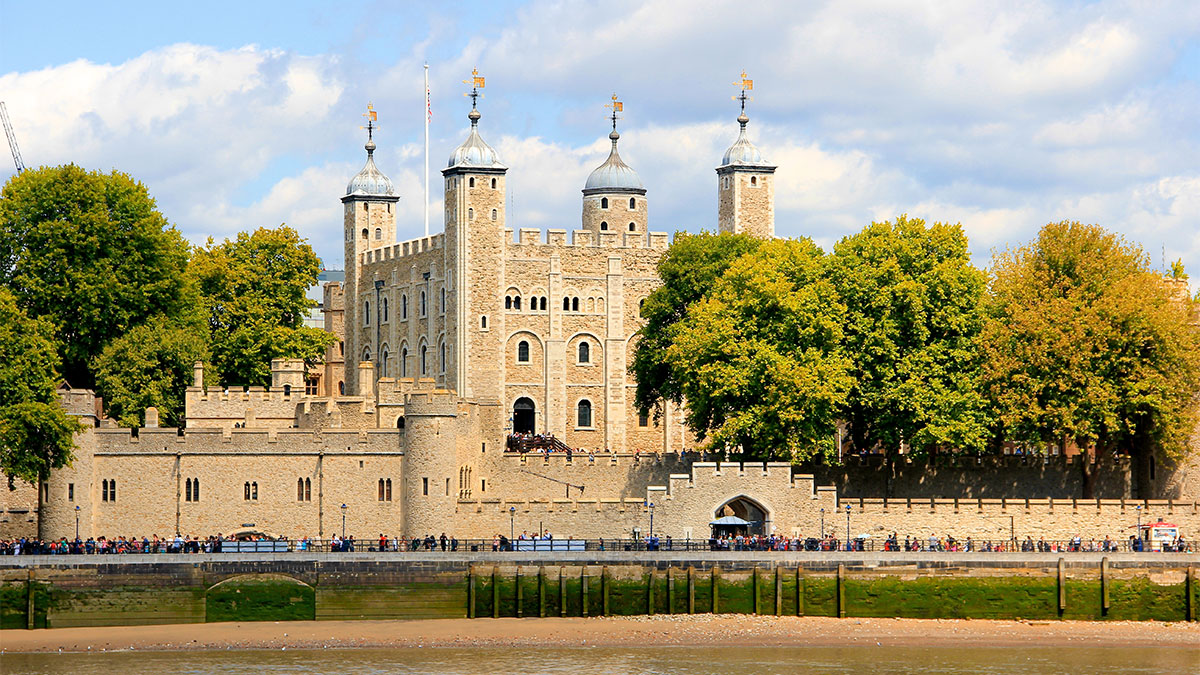
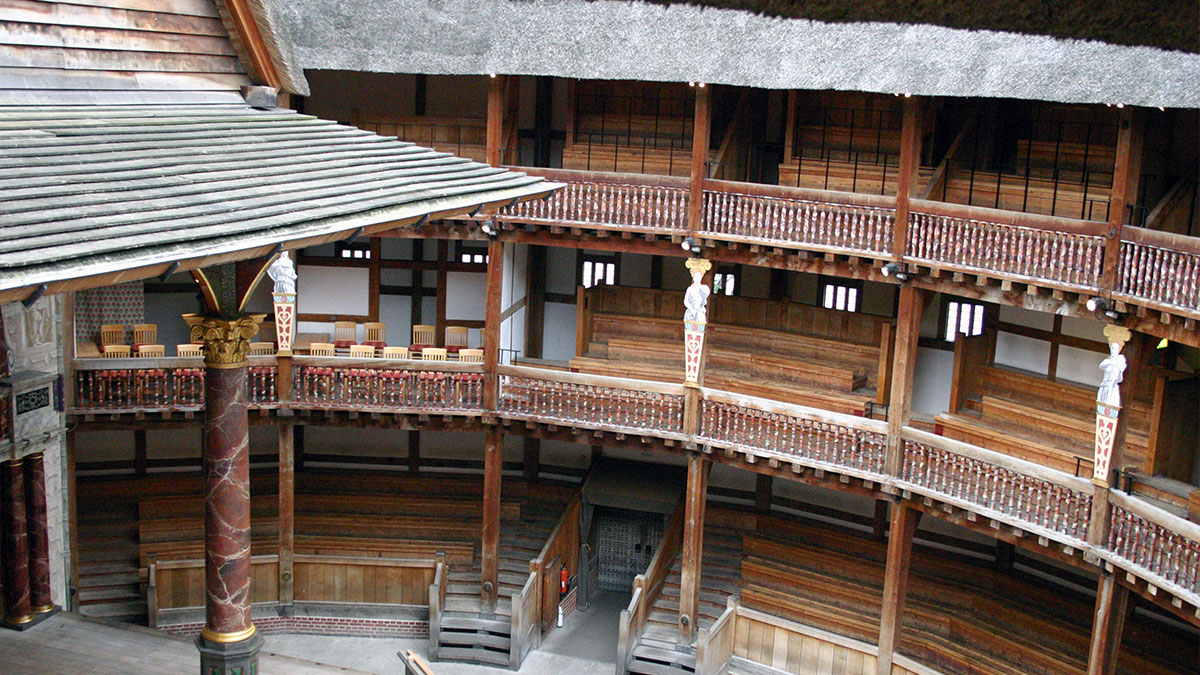
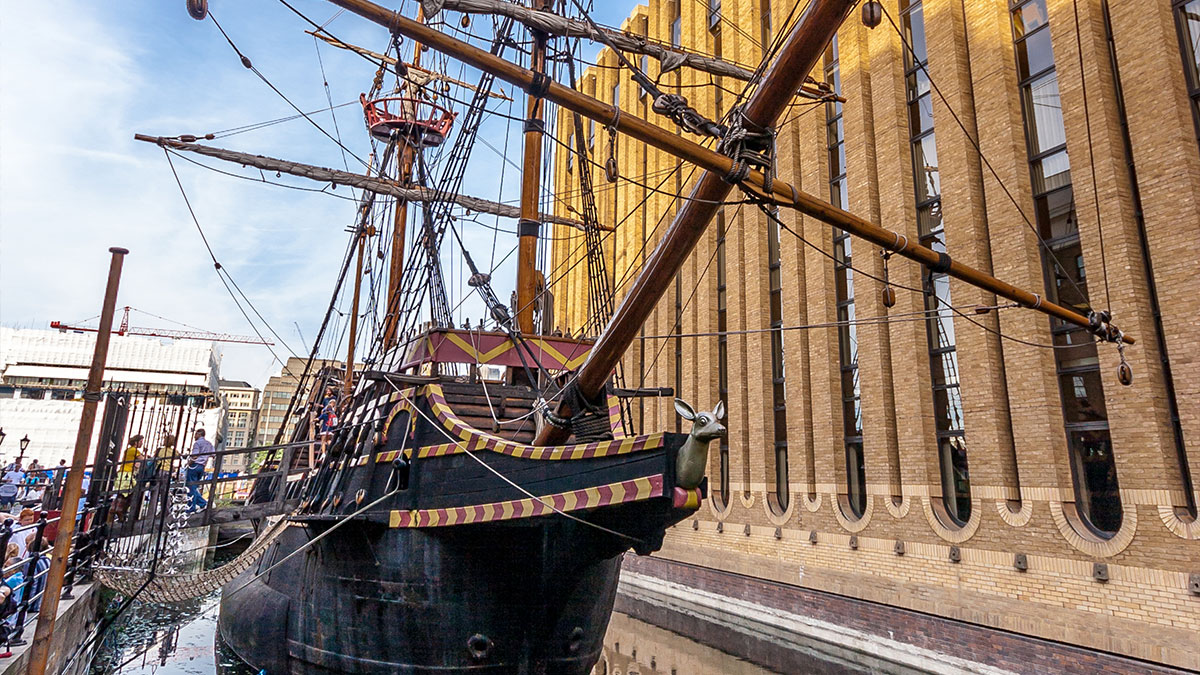
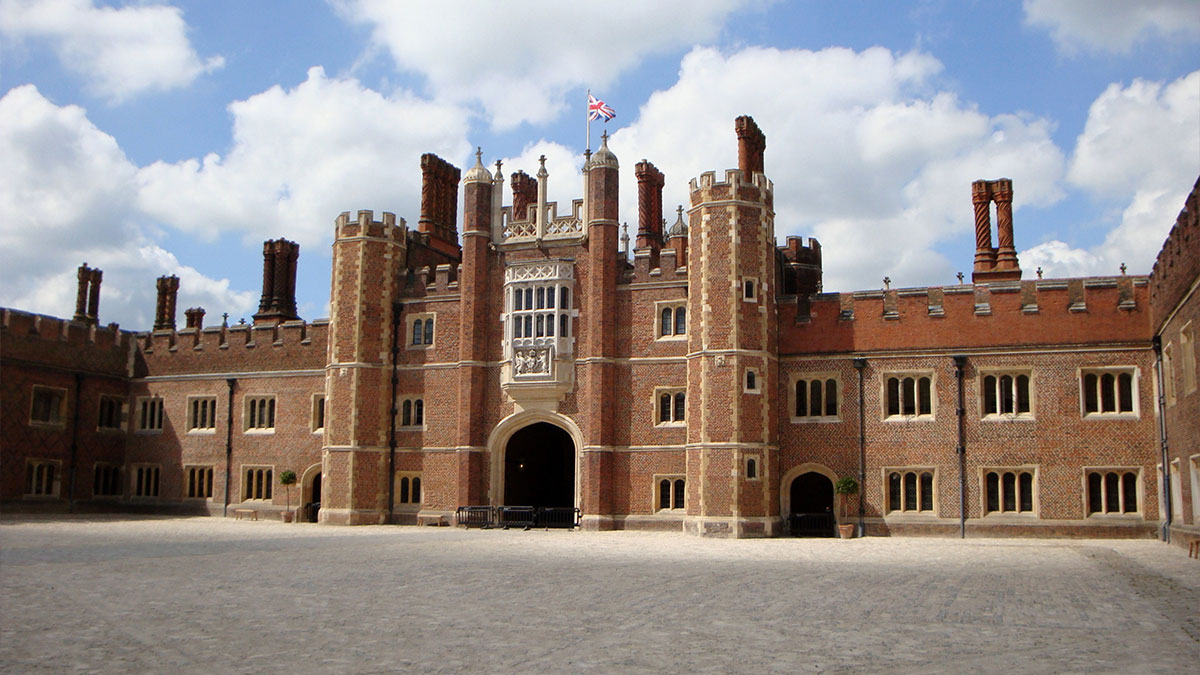
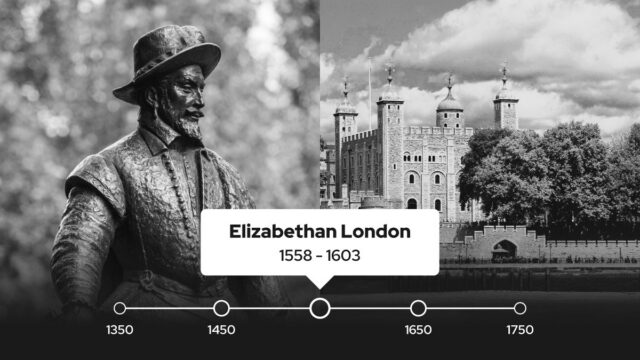
For those studying Elizabethan England, pupils can explore significant sites such as Shakespeare’s Globe, the Golden Hinde and Hampton Court Palace or the Tower of London. They will explore how this era was a time of extreme wealth inequality, but also a ‘Golden Age’ of flourishing culture and exploration. Or if you’re covering World War Two on the home front, London is full of excellent resources for students to discover what life was like on the Home Front and understand the war’s impact both in Britain and around the world.
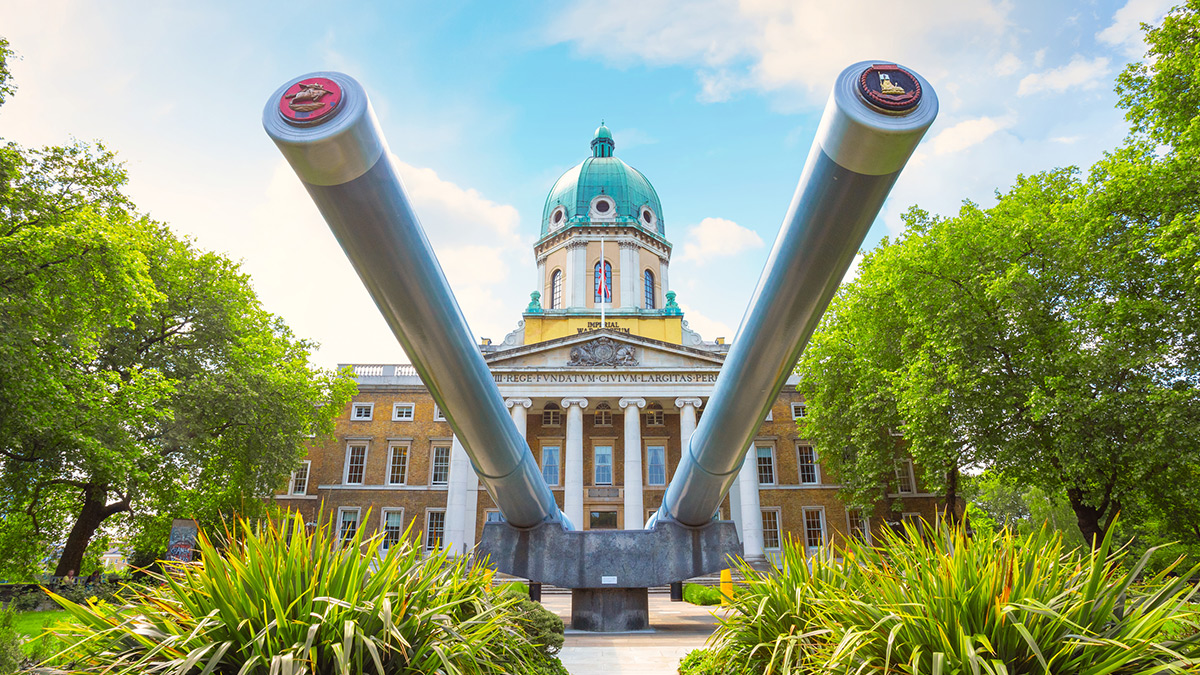
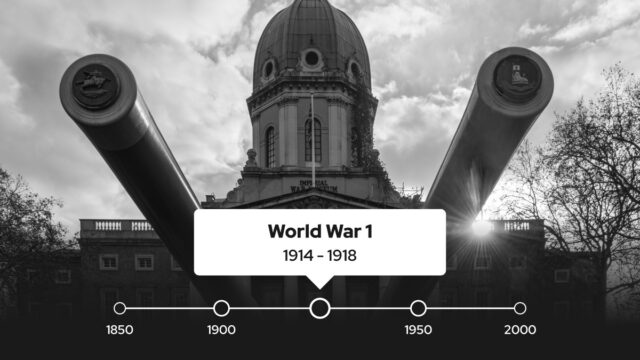
From the Churchill War Rooms, where students can walk in the footsteps of the former Prime Minister as he directed the British wartime strategy, to the Imperial War Museum, home to authentic wartime artefacts, recreated bomb shelters and the Holocaust Galleries, London offers an unparalleled insight into the Second World War.
By learning about history where it happened, students not only connect with the curriculum but also the people who lived through these times, adding another element to the classroom topics. Students get to experience the sights, sounds and atmosphere of the places they have been studying, making historical events more tangible and memorable. Seeing locations, buildings and artefacts first-hand help them to understand the human stories behind the facts, which can encourage empathy, curiosity and an appreciation of how the past has transformed modern Britain. This helps them to retain information more effectively while developing a deeper understanding of the people behind the events.