Exploring Alpine Geography
The diversity of the Swiss Alpine environment makes it an ideal outdoor classroom, allowing students to explore several key geographical processes.
Glaciated landscapes
Glaciers have played a fundamental role in shaping the Alps. Through processes such as abrasion and plucking, moving ice creates distinctive landforms, including U-shaped valleys, corries and ribbon lakes. Seeing these features first-hand helps students understand how glaciers transform landscapes.
Rivers and waterfalls
Snowmelt, rainfall and glacial meltwater feed Alpine streams and rivers. Students can explore processes such as erosion, transportation and deposition, while spectacular waterfalls demonstrate the power of flowing water.
Fold mountains and geological processes
The Alps provide an impressive introduction to fold mountain formation, resulting from the collision of the African and Eurasian tectonic plates. Their towering peaks offer a real-world opportunity to explore tectonic movement and uplift.
Alpine environments and human geography
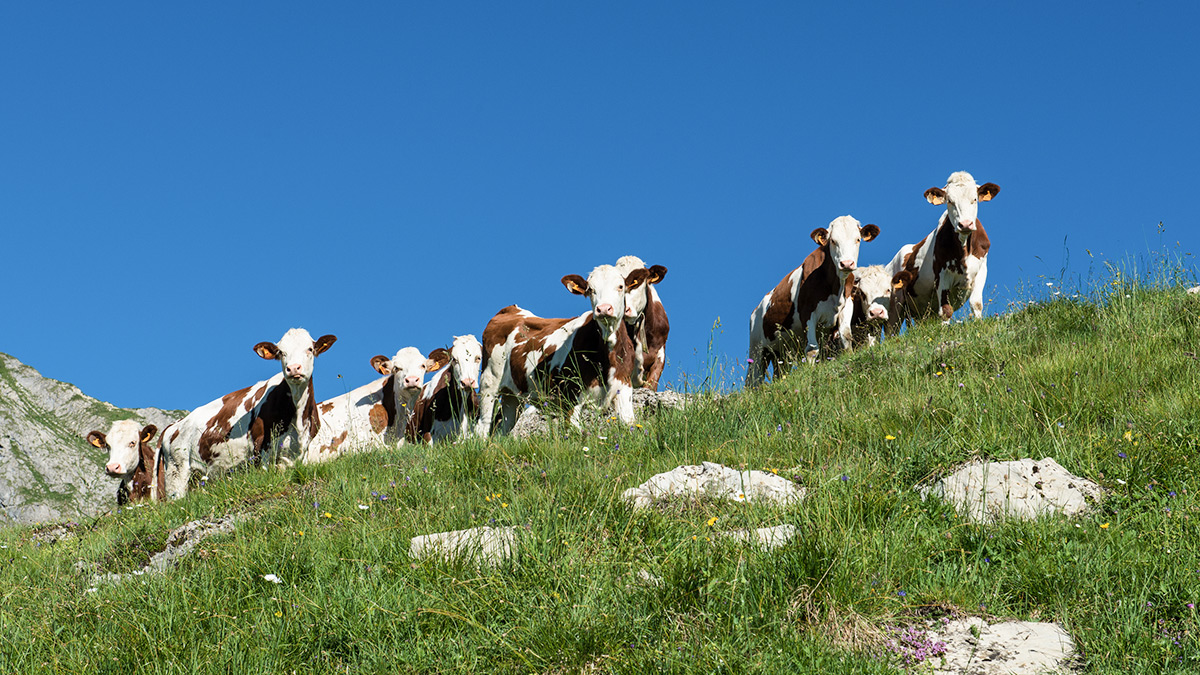
Beyond physical geography, traditional mountain villages, green pastures, farming and tourism demonstrate how communities have adapted to life in a mountainous environment.
Together, these features help students understand the relationship between physical landscapes and human activity.