We’re celebrating, having won the School Travel Awards – Best Large School Tour Operator award!

Bringing Italy Home: Translating Fieldwork Experiences into Classroom Learning

Last updated: Nov 3rd, 2026


With its diverse landscapes and breath-taking geological features, Italy offers an unforgettable look into the natural forces that have formed our planet. From the towering volcanic slopes of Mount Vesuvius to the dramatic limestone cliffs and sea caves of Capri, Italy is a living geography classroom, where natural processes can be truly explored and understood.

For geography students, the country provides an incredible opportunity to take their learning beyond the textbook. Volcanic hazards, coastal erosion, tectonic processes and the relationship between people and their environment all become tangible when experienced in the landscapes where they occur.

For teachers, it’s a chance to bring GCSE topics to life with real-world examples, helping students develop a deeper understanding of geographical processes whilst creating memorable learning experiences that extend far beyond the classroom.

Discovering the geographical significance of Italy

Italy’s diverse landscapes make it an exceptional destination for school geography trips. Its varied physical environments provide opportunities to investigate everything from volcanic activity and coastal processes to river erosion and changing urban landscapes.

The Bay of Naples

Mount Vesuvius: Exploring volcanic landscapes and hazards

One of Italy’s most recognisable geographical features, Mount Vesuvius, provides an excellent opportunity to investigate tectonic processes and volcanic hazards.

Its eruption in AD 79 famously buried the Roman settlements of Pompeii and Herculaneum. Today, the volcano overlooks the densely populated Bay of Naples, creating an important real-world example of the challenges associated with living alongside an active volcano.

Visiting Vesuvius allows students to explore its volcanic landscape while considering how authorities monitor hazards, prepare emergency plans and manage the risks facing surrounding communities.

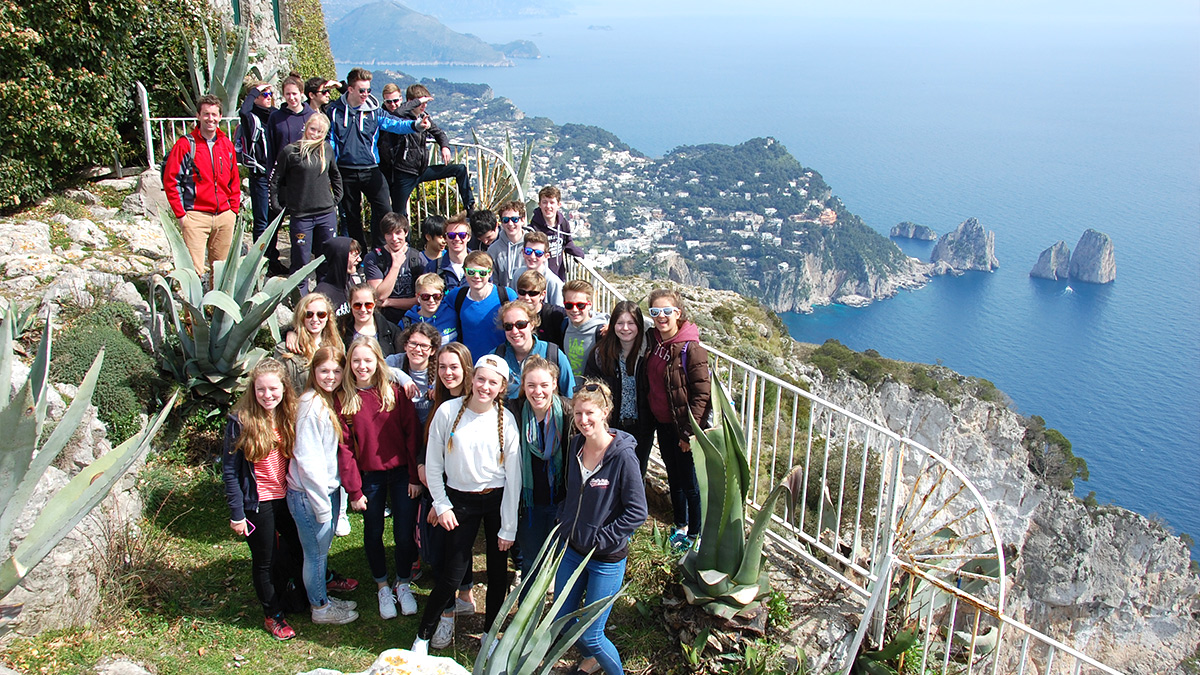
Capri: Discovering coastal landforms

The island of Capri offers equally fascinating opportunities to explore physical geography.

Famous for its dramatic limestone cliffs, sea caves and distinctive Faraglioni rock formations, the island provides excellent examples of how coastal landscapes are shaped by erosion and weathering.

Students can investigate processes such as hydraulic action, abrasion and solution, connecting the theory they learn in the classroom with the spectacular coastal features around them.

These observations can then be used back at school to reinforce GCSE learning about coastal erosion and landform formation.

Laser boat trip across the Capri coastline

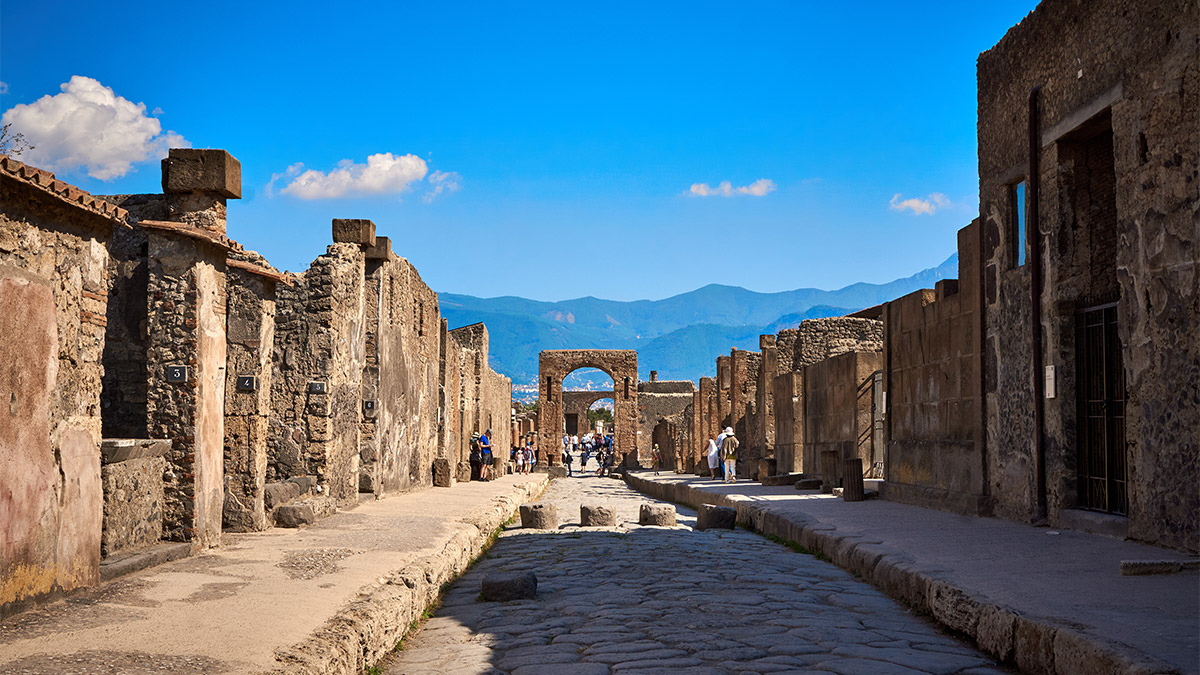
Pompeii and Herculaneum: Understanding the impacts of volcanic eruptions

A visit to the archaeological sites of Pompeii and Herculaneum adds another dimension to the study of volcanic hazards.

The preserved remains of these ancient Roman settlements demonstrate the devastating consequences of the AD 79 eruption, helping students understand how volcanic activity can affect people, buildings and entire communities.

They also provide an opportunity to explore the long-term relationship between people and their physical environment.

The stepping stones in Pompeii

Bringing Italy back into the classroom: Stokesley School’s Experience

The value of a geography trip doesn’t end when students return home. The photographs, observations and experiences collected along the way can become valuable teaching resources, helping teachers revisit curriculum topics through real-world examples.

Christopher Jones from Stokesley School has seen first-hand how a trip to Sorrento can support GCSE geography teaching and enthuse students about the subject.

Reflecting on how the school uses the experience back in the classroom, Chris explains:

?>

We use the visit to Vesuvius to discuss hazards at GCSE and the challenges with managing risk when thinking about Naples as a city to evacuate. The coastal features of Capri are used to explain their formation at GCSE. We use the trip as a way of enthusing students about the studying of geography.

Christopher Jones, Stokesley School

The visit to Vesuvius provides a valuable case study for discussing volcanic hazards, including monitoring, emergency planning and the challenges of evacuating a densely populated area.

Meanwhile, Capri’s coastal landscapes give students memorable visual examples of erosion and landform formation, helping them revisit these processes when studying GCSE coastal geography.

Read more about the school’s brilliant experience in our Stokesley School Geography Expedition to Sorrento case study.

Sorrento

Why Italy belongs on every geography teacher’s radar

From the volcanic landscapes of Sicily and the Bay of Naples to the dramatic coastlines and mountain environments found across the country, Italy offers an incredible variety of geographical experiences.

Students can explore volcanic hazards, investigate coastal landforms and understand how communities interact with their physical environment. Teachers can then bring these experiences back into the classroom, using real-world examples to reinforce GCSE topics and make geographical processes more memorable.

But perhaps most importantly, educational travel can inspire a lasting enthusiasm for the subject.

As Stokesley School’s experience demonstrates, a geography trip isn’t simply about visiting somewhere new. It’s about creating meaningful learning experiences that encourage students to explore the world around them and see their classroom studies in a completely different way.


outline of megaphone

Ready to bring geography to life in Italy?

Discover our school geography trips to Italy and give your students the opportunity to explore the landscapes and geographical processes they’ve been studying in the classroom.

Contact us