
We’re celebrating, having won the School Travel Awards – Best Large School Tour Operator award!

Lessons from Tenerife: Connecting Fieldwork Experiences with Classroom Practice

Last updated: Nov 9th, 2026


With its sprawling volcanic landscapes and remarkable physical geography, Tenerife offers an incredible insight into the natural forces that have shaped our planet. From the towering volcanic slopes of Mount Teide to ancient lava flows, coastal environments and distinctive geological formations, the island provides a fascinating opportunity to explore geographical processes in action.

For geography students, Tenerife offers the chance to take their learning beyond the textbook. Volcanic hazards, endogenous processes, desert environments and the relationship between people and their surroundings all become more tangible when experienced first-hand.

But the learning doesn’t stop when students return home. The observations and photographs during the trip can become valuable classroom resources, helping students strengthen their understanding and apply real-world examples to their GCSE and A-Level studies.
Discovering the geographical significance of Tenerife

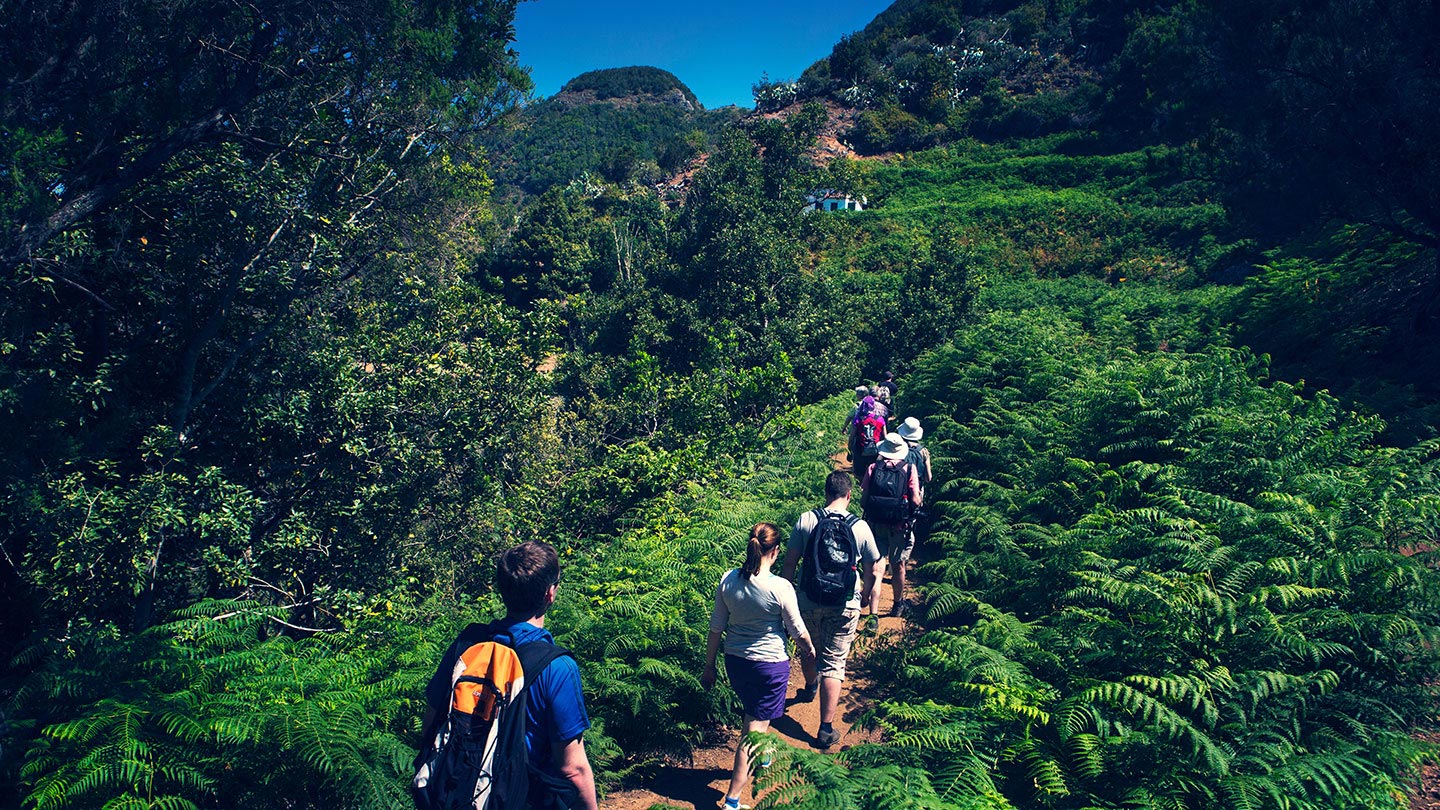
Tenerife’s diverse landscapes provide opportunities to investigate volcanic activity, coastal processes, contrasting environments, and agricultural landscapes.

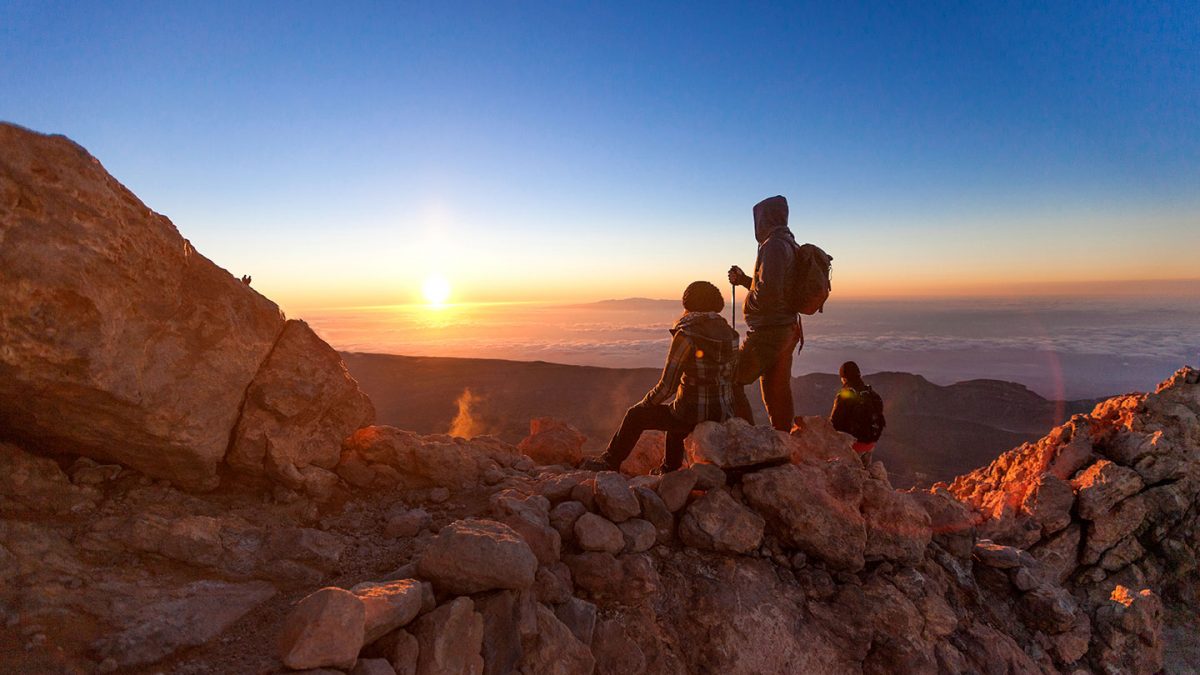
At the heart of the island’s geographical appeal is Teide National Park, home to Mount Teide, Spain’s highest peak. Its dramatic volcanic terrain offers a fascinating insight into how endogenous processes shape the Earth’s surface.

From distinctive lava formations to evidence of past volcanic activity, students can explore physical features created by processes studied within the geography curriculum. Seeing these landscapes first-hand helps bring abstract concepts to life, developing a clearer understanding of how volcanic environments form and change over time.

Exploring volcanic processes and geographical hazards

Tenerife’s volcanic origins make it an excellent destination for students studying tectonic hazards and physical geography.

At Teide National Park, students can observe the results of volcanic activity, explore how lava flows have shaped the landscape and consider the processes responsible for creating distinctive volcanic environments.

These experiences offer valuable curriculum connections:

  • GCSE Geography: Exploring tectonic hazards, volcanic activity, plate boundaries and why people continue to live in areas at risk from volcanic eruptions.
  • A-Level Geography: Investigating plate tectonics, volcanic hazards and the internal processes that shape the Earth’s surface, alongside exploring connections to hazards and desert environments.

Importantly, these are lessons students can continue to draw upon back at school. Photographs, field notes, and observations from the trip can be used to revisit geographical processes, develop case-study knowledge and practise exam-style questions.

Bringing Tenerife back into the classroom

The real educational value of fieldwork comes from how students apply their experiences to their learning once they return. Teachers can use Tenerife as an ongoing real-world case study, bringing the landscapes students explored into future lessons. For example:

  • Using photographs from Teide National Park to explore lava formations and how endogenous processes shape the Earth’s surface.
  • Encouraging students to use their first-hand observations to support explanations of volcanic hazards and human settlement.
  • Revisiting the island’s contrasting environments to explore hazards, deserts and the influence of physical processes.
  • Using fieldwork photographs and observations as the basis for geographical discussions and examination-style questions.


How Queen Mary’s Grammar School brought learning back into the classroom

For Queen Mary’s Grammar School, Tenerife provided an opportunity to connect classroom theory with the physical processes and landscapes students could explore first-hand.

Teacher James Hawkins highlighted how students would continue to use their experiences across both GCSE and A-Level Geography:

?>

A-Level students will use the learning in both hazards and deserts topic with some of the learning at Teide National Park linking clearly to their course as well as seeing how endogenous factors shape the character of a place. GCSE students will use the experience to develop their learning around the hazards topic for GCSE with Tenerife being a good example of why people live in tectonic areas.

James Hawkins, Queen Mary's Grammar School

Allerton High School’s exploration of Tenerife

The geographical opportunities Tenerife offers were also enjoyed by students from Allerton High School, whose visit revealed just how much more there is to the island than its reputation as a popular holiday destination. From volcanic terrain and coastal environments to lava caves and agricultural landscapes, students experienced an impressive variety of physical and human geography within a relatively small area.

As trip leader and teacher Ellenor Geldard-Williams explained:

?>

We felt that Tenerife is marketed completely wrong in the UK – people think it is a beach holiday destination, but the array of geographical features was amazing. The number of different landscapes that students saw in a short space of time was great and no distance is very far once you’re there.

Ellenor Geldard-Williams, Allerton High School

One of the highlights was their visit to Mount Teide, where students travelled by cable car high into the volcanic landscape. Ellenor recalled:

?>

Students were amazed by the cable car going up to the top of Mount Teide – for some students this was the first thing they’d ever done something like this.

Ellenor Geldard-Williams, Allerton High School

Making geographical learning last beyond the trip

A trip to Tenerife gives students the chance to experience geographical processes in action and build a collection of real-world examples to support their future studies. For teachers, these experiences provide valuable resources that can be revisited long after the journey home. From discussing field observations and analysing photographs to applying real-life knowledge to GCSE and A-Level exam questions, the learning continues back in the classroom.

By connecting the landscapes they explore with the concepts they study, Tenerife turns geographical theory into something both memorable and meaningful.

Ready to take your geography students beyond the textbook?

Discover how a school geography trip to Tenerife with Rayburn Tours can bring the curriculum to life, creating experiences students can continue to learn from long after they’ve returned home.

Get in touch with our award-winning team today to start planning your adventure!

Contact us