Exploring Paris: Culture, Art and Urban Geography
Paris is filled with world-famous landmarks and cultural attractions that connect directly to classroom learning.
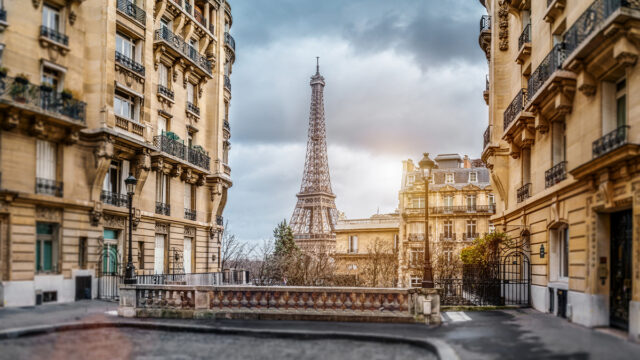
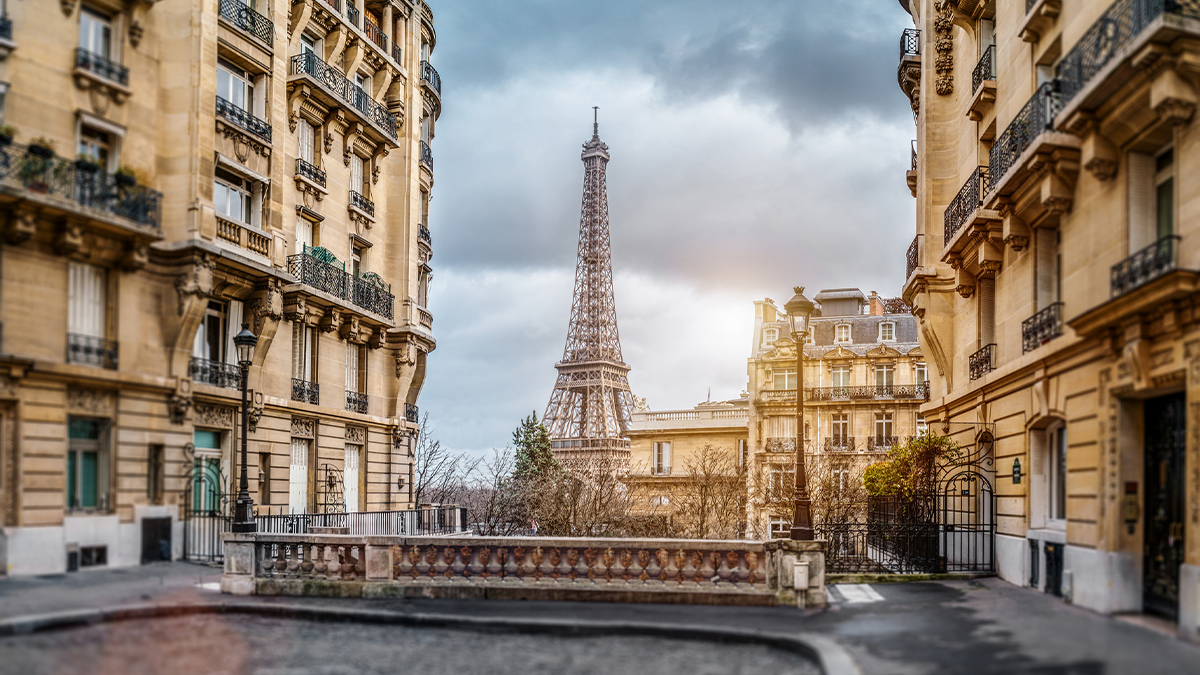
Eiffel Tower
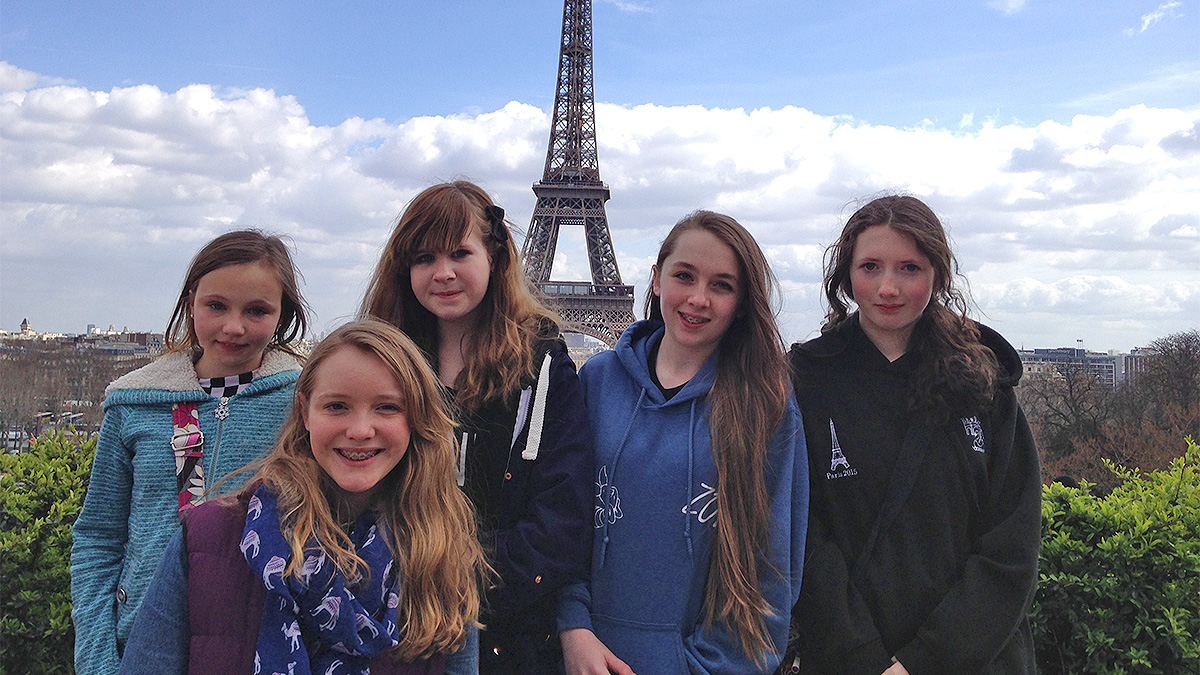
One of the most recognisable landmarks in the world, the Eiffel Tower provides students with insight into engineering, architecture and tourism. Its central location also allows students to observe the layout and development of a major European capital city, supporting studies in urban geography.
The Louvre
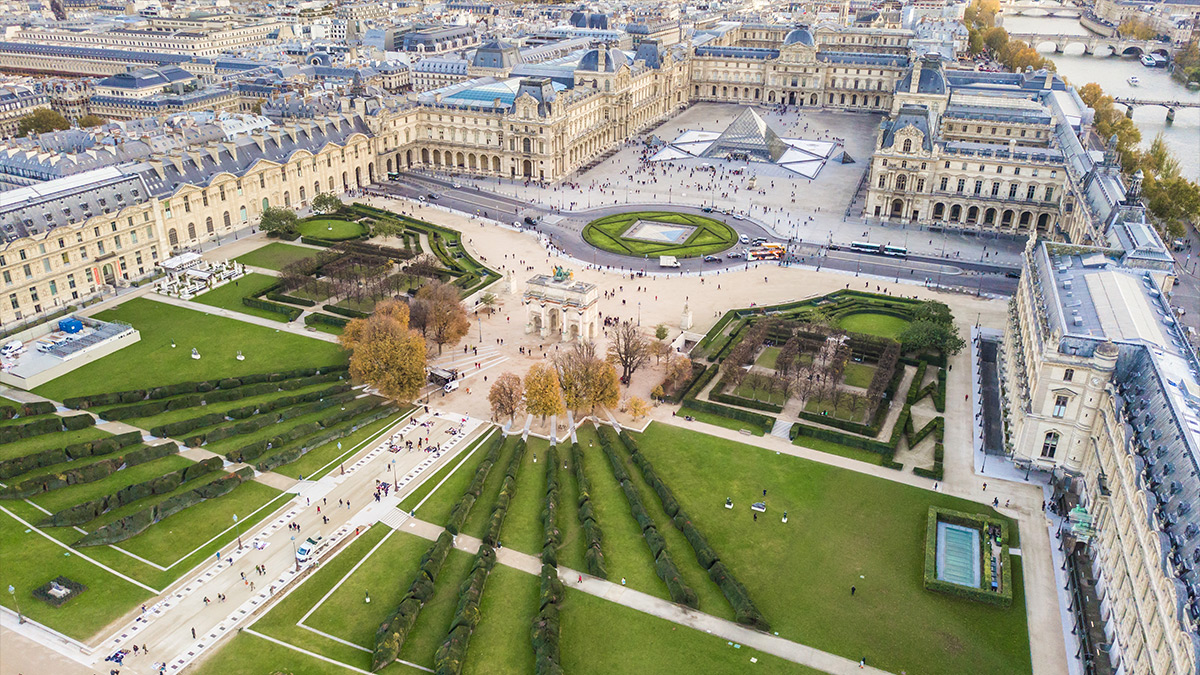
Home to thousands of important works of art, including the Mona Lisa, the Louvre offers students the opportunity to engage with art history and cultural heritage on an international scale. The museum encourages discussion around preservation, interpretation and the importance of global cultural institutions.
River Seine
The River Seine offers valuable opportunities for geography students to explore river management, transport and urban development. River cruises and walking tours can help students understand how waterways influence trade, tourism and city growth.
Musée d’Orsay
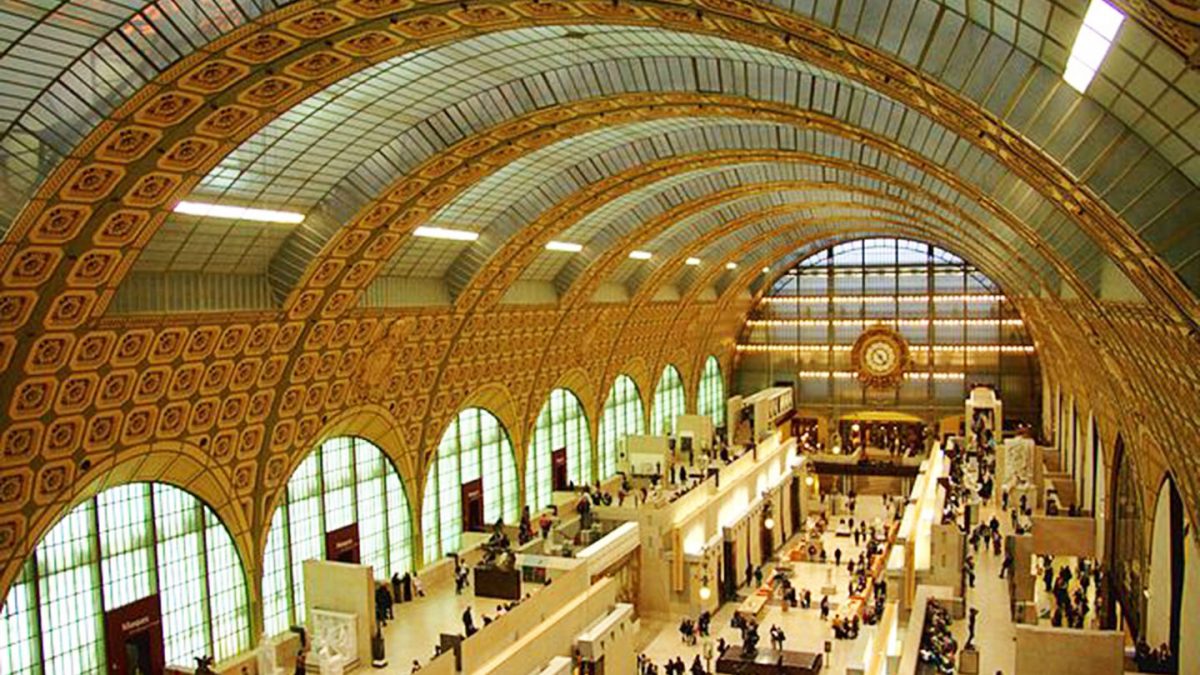
Known for its impressive collection of Impressionist and Post-Impressionist art, the Musée d’Orsay supports studies in visual arts and 19th-century European history. Students can view works by artists such as Monet, Van Gogh and Degas while learning about changing artistic movements and society during the period.
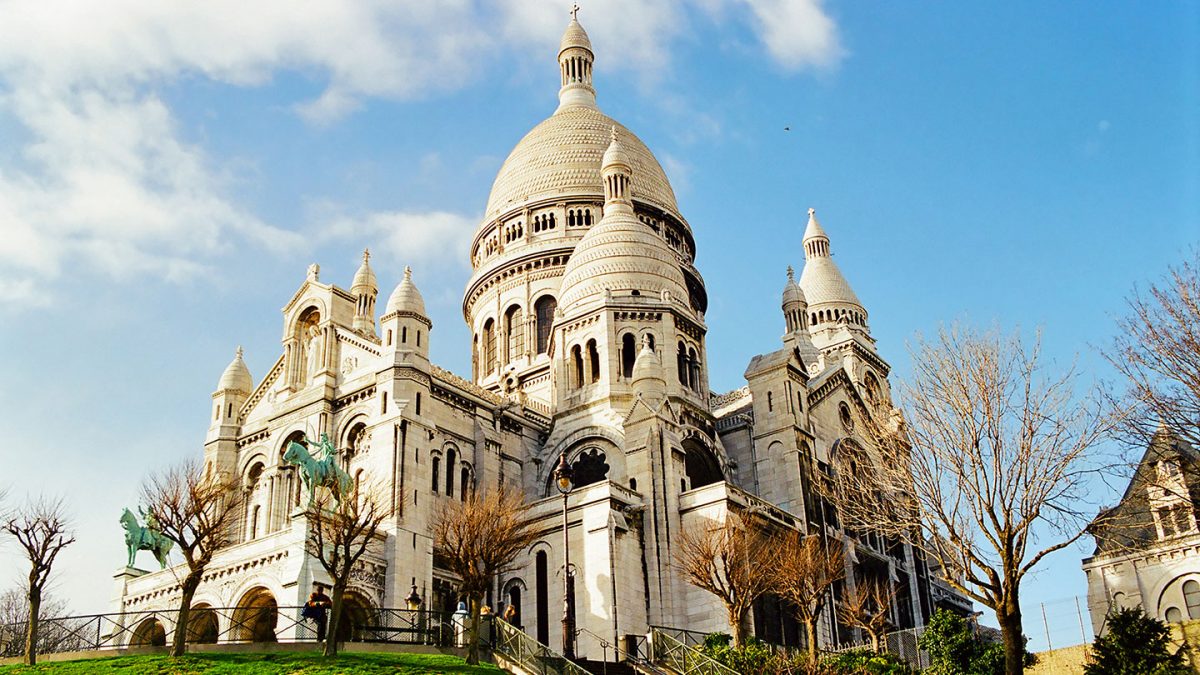
Sacré-Cœur
Located on Montmartre hill, Sacré-Cœur Basilica provides insight into religious history, architecture and city planning. Its elevated position also offers panoramic views across Paris, helping students better understand the structure of the city.
Disneyland Paris
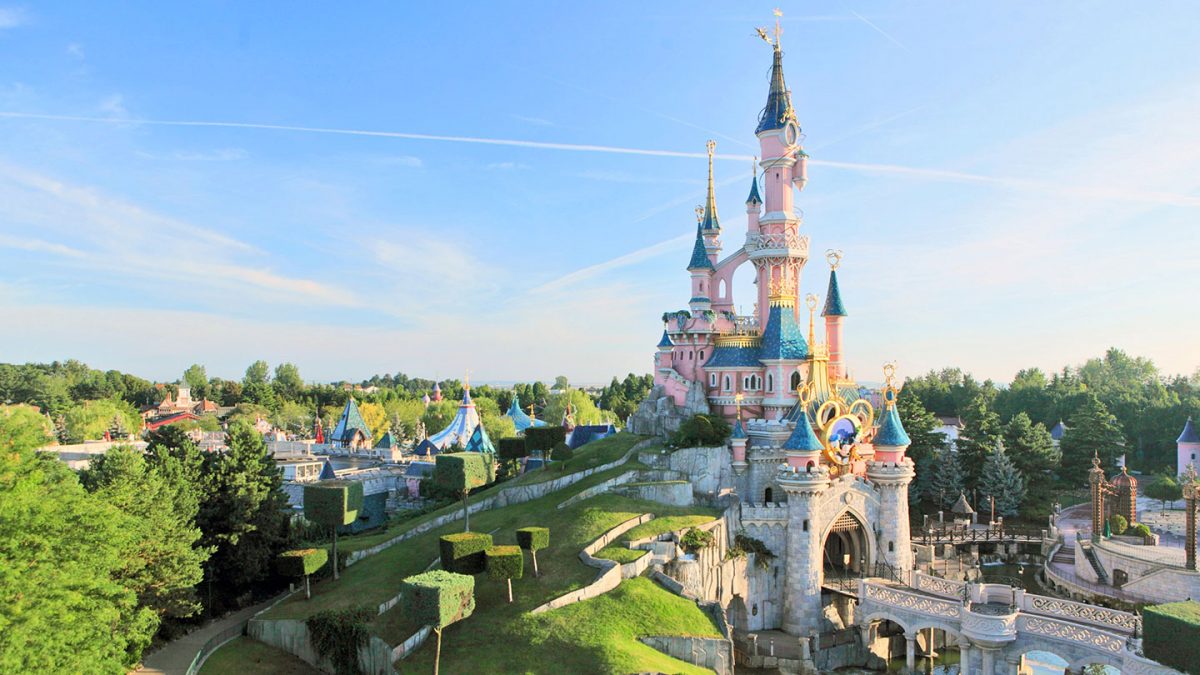
Although widely known as a leisure attraction, Disneyland Paris can also support educational discussions around global branding, tourism and business operations. Students may explore how major attractions influence local economies and international travel.