We’re a finalist in the 2026 School Travel Awards! We’d love your vote.

Vote now

From Auschwitz to Berlin: A Powerful World War II Learning Experience

Last updated: Jun 4th, 2026


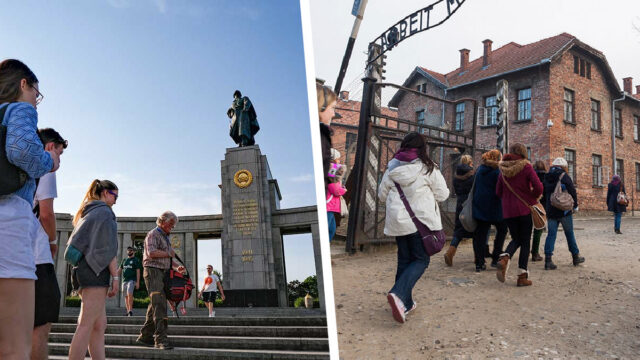
The International School of Pathos embarked on a two-centre to Krakow and Berlin to dive into the past of World War 2. Such trips provide students with multiple perspectives of events and how they affected different communities and countries across the globe. Both Berlin and Krakow are two of the most important cities connected to the Second World War, having documented the devastation and destruction of the deadliest conflict in human history, which has reshaped nations, communities and individuals.


Day 1

An eye-opening visit to the Auschwitz Memorial and Birkenau  

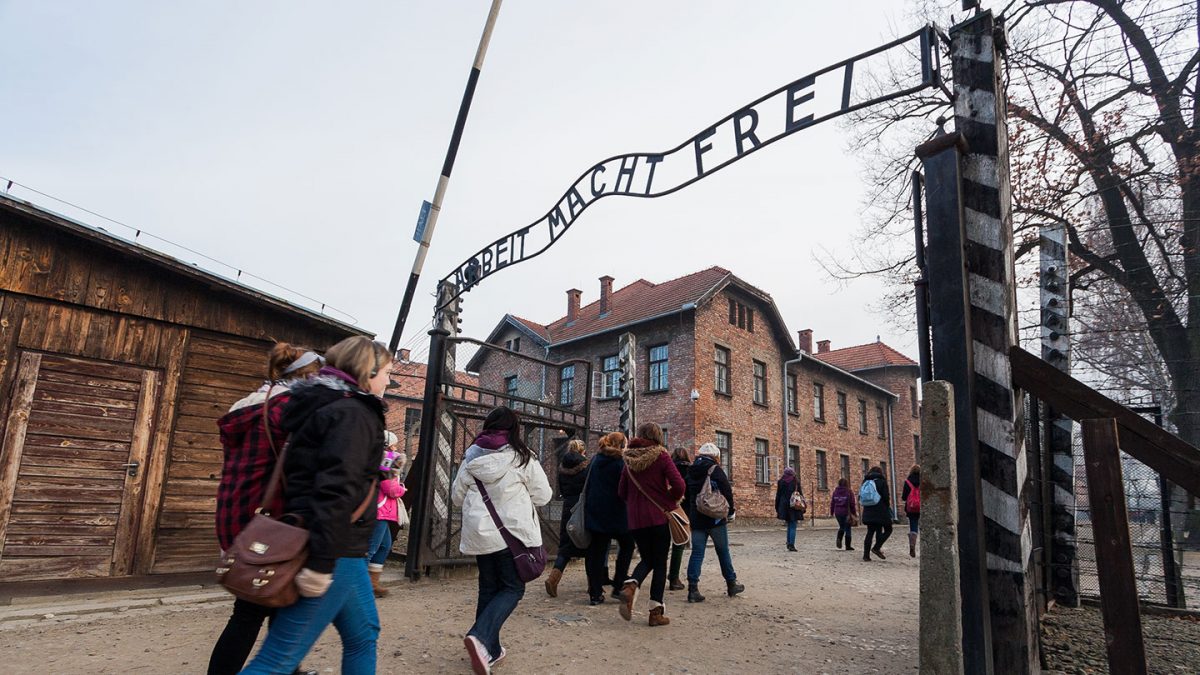
The school group began their trip in Krakow, spending their first day on a 6-hour tour of the Auschwitz Memorial and Birkenau. This eye-opening experience reinforces the true horrors the Jewish, non-Jewish Polish, Roma and Sinti and other minority communities faced during World War 2. It shows students the catastrophically cruel treatment they faced due to the Nazi regime.

Here, the group witnessed the preserved buildings and the harrowing displays of what happened at the concentration camps and reflected on the past and their own lives. Students saw photographs and learned about individuals who spent years in the camp, documenting what they had to endure at the hands of the regime. A visit to Auschwitz is a visit for any school group learning about World War 2 as it provides both historical understanding and an opportunity for meaningful personal reflection on one of the darkest periods in history.

?>

I guess one of the poignant times is when you arrive at the airport and see the anticipation on their faces. The other time is when you are touring Auschwitz, and you see the look on their faces at the horrors that people endured. This alone makes the whole trip worth it as they realise how lucky they are.

Nick Cavaye, Assistant Deputy Head of Secondary School and History Teacher


The group then went to Restauracja Galicyjska, a traditional Polish restaurant, to decompress and discuss their day. Students got to try some new cuisines and experience a traditional Polish folk music show, lightening the atmosphere after a sombre and thought-provoking visit to the camps. To learn more about the importance of visiting Auschwitz, read our blog: Why Every Young Person Should Visit Auschwitz as Part of Their Secondary School Education.


Day 2

An underground journey through the Wieliczka Salt Mines

The group started their day with a guided tour of the Wieliczka Salt Mines. Located in the town Wieliczka, these salt mines date back to the 13th century and are among the oldest in Europe. The students descended 150 metres below ground level to explore chapels, ballrooms, caverns and statues built by miners. It truly is a unique experience for all!


Exploring Kraków’s Old Town

Kraków’s Old Town is a UNESCO World Heritage Site at the heart of the city. With one of the largest market squares in Europe and numerous historical sites in its surroundings, this town is great for letting students explore for a morning or afternoon. The group had time to have a leisurely lunch and wander around the area, pick up some souvenirs and take in all of the beautiful sights of Krakow.


Day 3

Berlin here we come!

The International School of Pathos began the second leg of their history trip, travelling to Berlin. After checking into the hotel, the students had time to see some of the Germany’s most famous sights illuminated at night, offering them a welcoming introduction to the vibrant yet historically significant city. Berlin is a captivating city, full of monuments, modern architecture, art, music and culture. It’s a destination that shows how the Second World War shaped the city and Europe as we know it today. From bullet holes in buildings’ exterior walls to the Wannsee Conference, Berlin brings history to life, allowing students to connect physical sites with the events they have studied.


Day 4

Berlin’s iconic historical landmarks

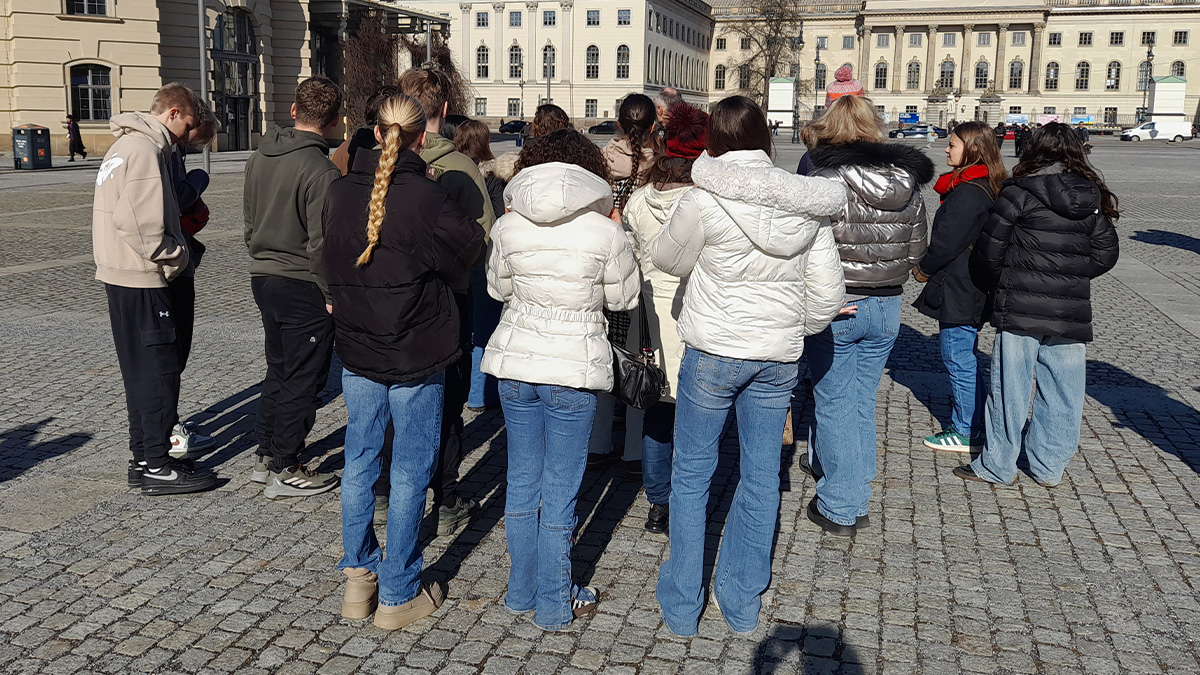
In the morning, the group set off on a 3-hour walking tour of Berlin, a perfect way to show students the city’s most famous monuments and where key historical moments played out. A guided tour on foot gives students the chance to soak up the city while learning about the past in an interactive and imaginative way. From the Reichstag to the Brandenburg Gate, these landmarks became the setting on a world stage of war.

The tour concluded near Potsdamer Platz, and then the group departed for Checkpoint Charlie, another significant section of the city. After lunch, students had a guided tour of the Checkpoint Charlie Museum, where they learned about the post-war effects that affected the East and West. This museum shows visitors the impact this crossing had on Germany at the time, with documented attempted escapes and the objects used in successful crossings.

?>

Very valuable experience for our students.

Nick Cavaye, Assistant Deputy Head of Secondary School and History Teacher

Day 5

A unique historical display of Berlin’s past

The group headed to the Berlin Story Bunker for a deeply insightful audio-guided tour. This museum chronicles the journey of the city’s history in a bunker. The museum hosts exhibitions detailing key timelines in Germany’s past in themed sections. It details the rise and terror of the National Socialism movement to Hitler’s last refuge. The exhibition answers some of the students’ most thought-provoking questions, allowing them to think critically and analytically.


An afternoon of espionage

In the afternoon, students had time to have lunch at the well-known food hall, full of different options for every type of taste bud! After a delicious lunch, the group made their way over to the German Spy Museum to uncover the past of espionage in the capital city. Students had a hands-on experience, learning about the evolution of spying from ancient codes to the Cold War. They saw real artefacts and heard first-hand accounts of missions!


Day 6

A walk down the East Side Gallery

The day began bright and early for the students as they arrived at the East Side Gallery. Over 1km long, the gallery is an international memorial of freedom created on the former Berlin Wall. Each mural displays the movement towards freedom and freedom itself, through bright colours and striking imagery. It’s another globally recognised landmark in Berlin that shows the resilience and hope of its people throughout the years.

The remainder of the day was spent exploring the city and sightseeing, from the TV Tower to the World Clock and Neptune Fountain. In the afternoon, students made their way over to Kurfürstendamm, also known as Berlin’s Champs-Élysées. They spent time wandering around the famous shopping boulevard, picking up souvenirs and snapping photos.


Day 7

Memorial to the Murdered Jews, a site for remembrance

On the final day, the students journeyed on public transport to the Memorial to the Murdered Jews Visitor Centre. This imposing memorial offers time for remembrance and deep thought of past events.


The symbol of power and victory

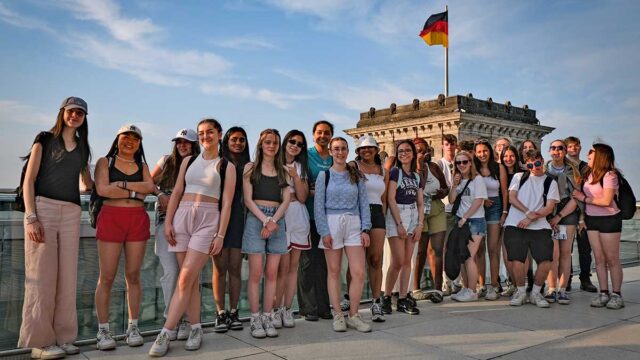
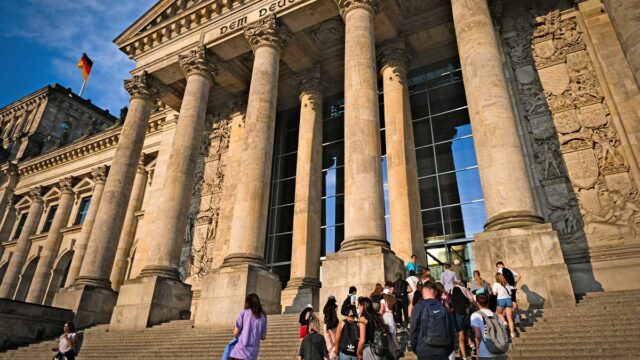
To end the trip, the students ventured to the Reichstag, the German Parliamentary building that served as a key symbol of Nazi Germany, which then became a defining representation of victory after its capture by the Soviets during the Battle of Berlin. Students enjoyed a guided tour of the dome and rooftop terrace, taking in the wonderful views of the city before they returned home.


A Transformational Learning Experience in Krakow and Berlin

Overall, the International School of Pathos has an unforgettable two-centre school history trip to Krakow and Berlin, providing students with immersive learning experiences, different perspectives and an opportunity to engage with new cultures. The trip not only brought history to life, but encouraged reflection, empathy and critical thinking- lessons that will stay with them for years to come.
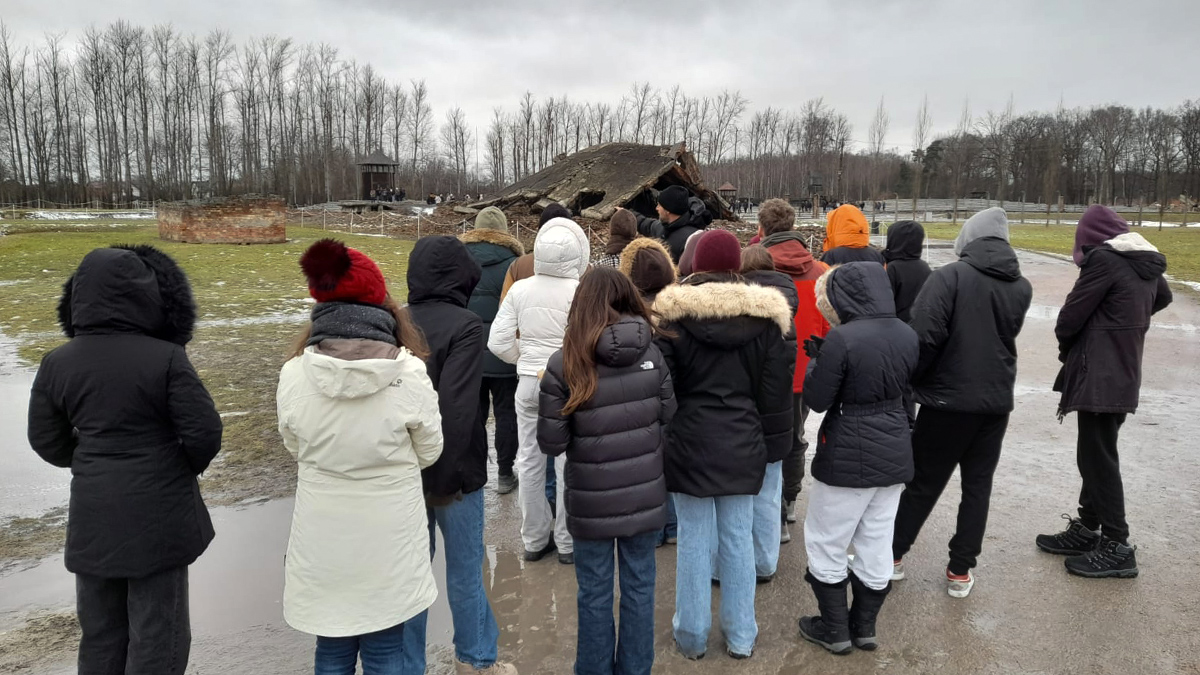


A note from Nick Cavaye, Assistant Deputy Head of Secondary School and History Teacher, about their trip

The tour guides throughout are very knowledgeable, friendly and spoke at the level of the students so that they understood.  No question was too much trouble for them. The venues that we visited were very well organised with polite staff. All of these venues matched the requirements for our trip.  Accommodation was excellent.  They were clean, tidy, comfortable, central and with good food. Again, nothing was too much trouble for the staff. I would highly recommend this trip for teachers in the History, German and Psychology Departments. You could also add Art, as there are some wonderful museums in Berlin!

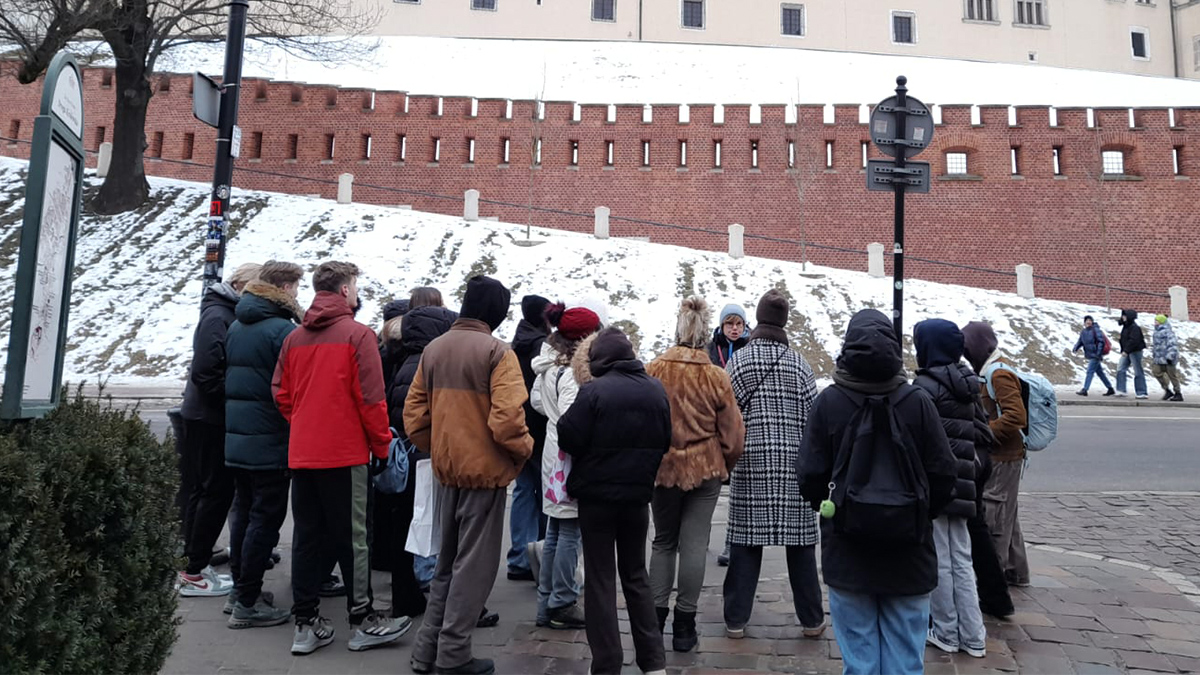
Graphic of plane outline

Take history beyond the classroom for a truly transformational learning experience

Transform students learning experience through incredible school history trips. From the Battlefields of World War One to the Cold War tensions and beyond, we’ve got the destination for you. Speak to our expert team today and start planning an unforgettable school history trip.


Get in touch

Related Articles

Group of students gathered for a photo on a school trip to Berlin

Exploring Berlin History on foot and using public transport!

We recently travelled on a History Tour to Berlin with the students of Holy Cross School, accompanied by their History Tour Guide Trevor, to embark…

Classroom vs Real World Learning: Why History Trips Win

Classroom vs real world learning: discover why school history trips win.

picture of Berlin (left) and Krakow (right) split down the middle

Why Are Berlin & Kraków Essential for Teaching 20th Century History?

Explore 20th century history beyond the classroom with immersive school trips to Berlin and Krakow, where students experience the events that shaped the modern world…