
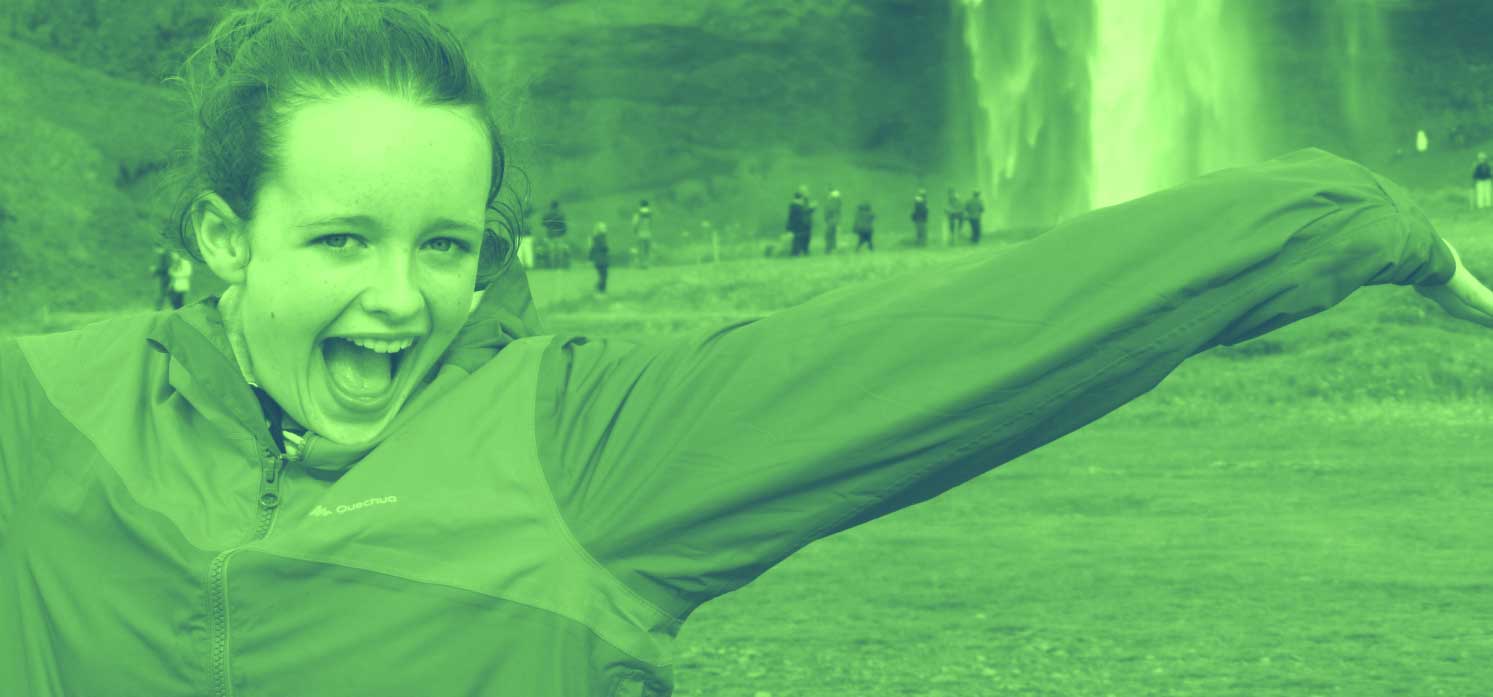





Educational school trips are an essential part of a well-rounded education, giving students the opportunity to learn beyond the classroom and experience the world first-hand. Educational trips for schools provide immersive learning environments where subjects such as Geography, Languages, History, Science, Business Studies, Classics, Religious Studies, Maths, Science, Art, Textiles and Food Technology come to life. If you’re looking for an unforgettable inclusive school trip abroad open up to a specific year group or even the whole school, then why not take a look at our range of Cultural trips?
From exploring dramatic landscapes and physical geography to practising languages in real cultural settings, an educational school trip encourages curiosity, critical thinking and personal growth whilst helping students connect their classroom learning with the wider world.
As an award-winning school tour operator, Rayburn Tours has been creating exceptional educational school trips since 1965. With tailored itineraries designed to suit each school or group’s learning goals, we ensure that each educational school trip delivers both academic value and unforgettable experiences.
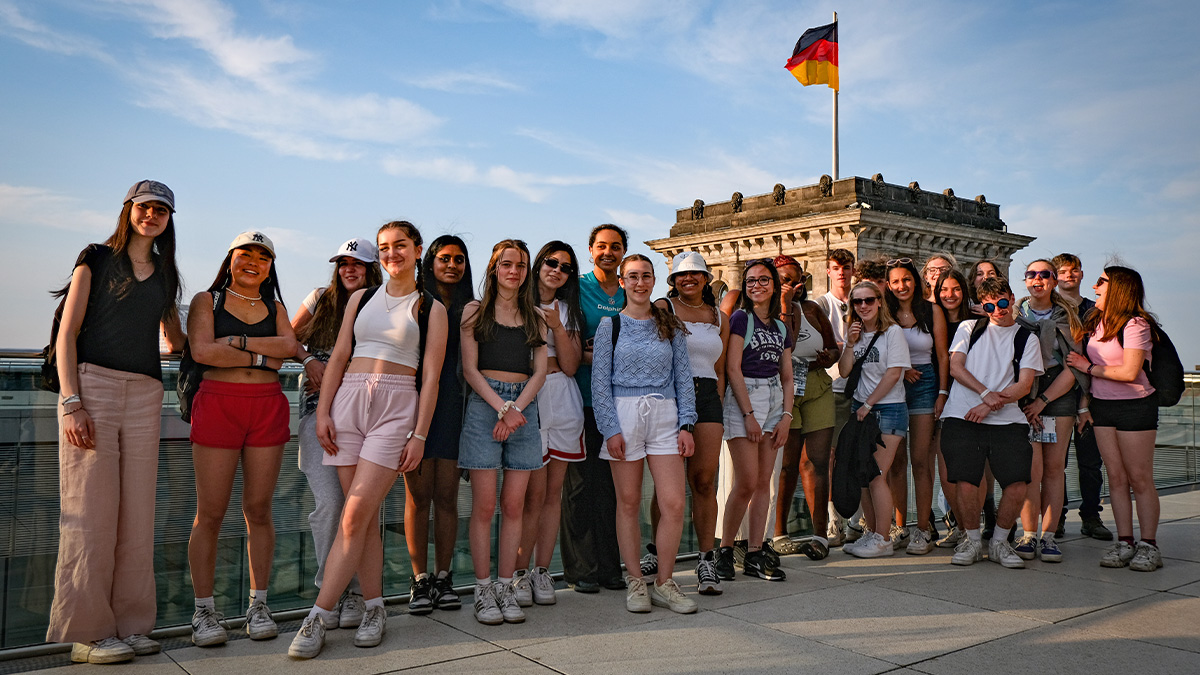
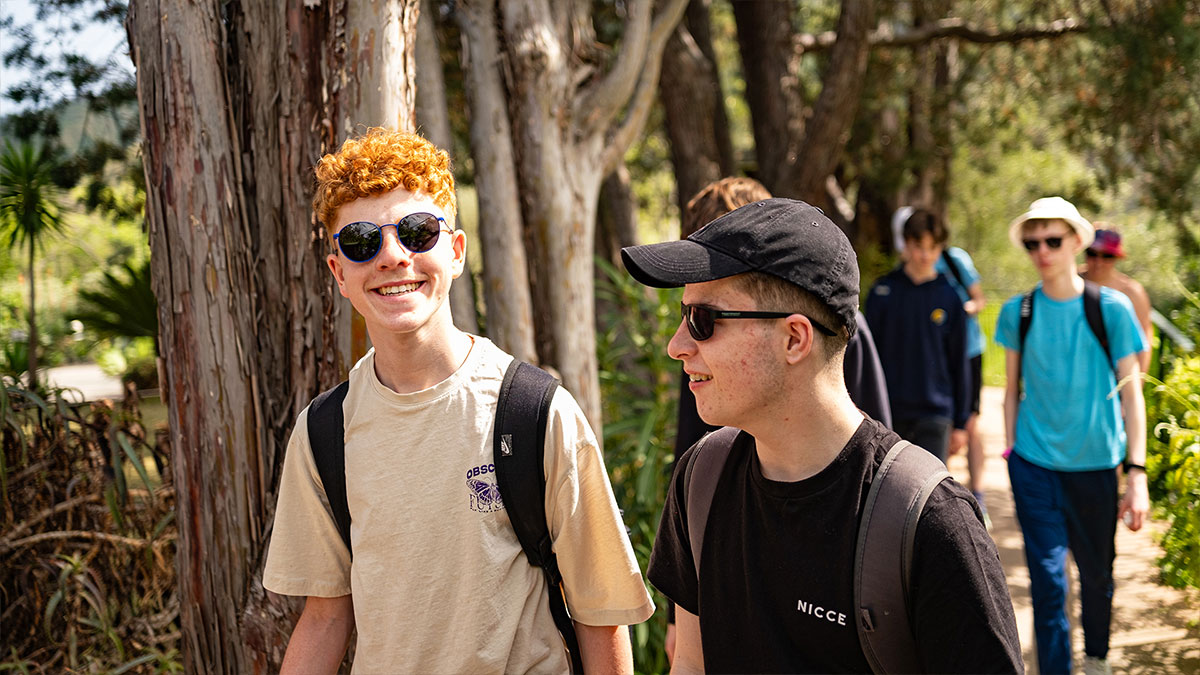
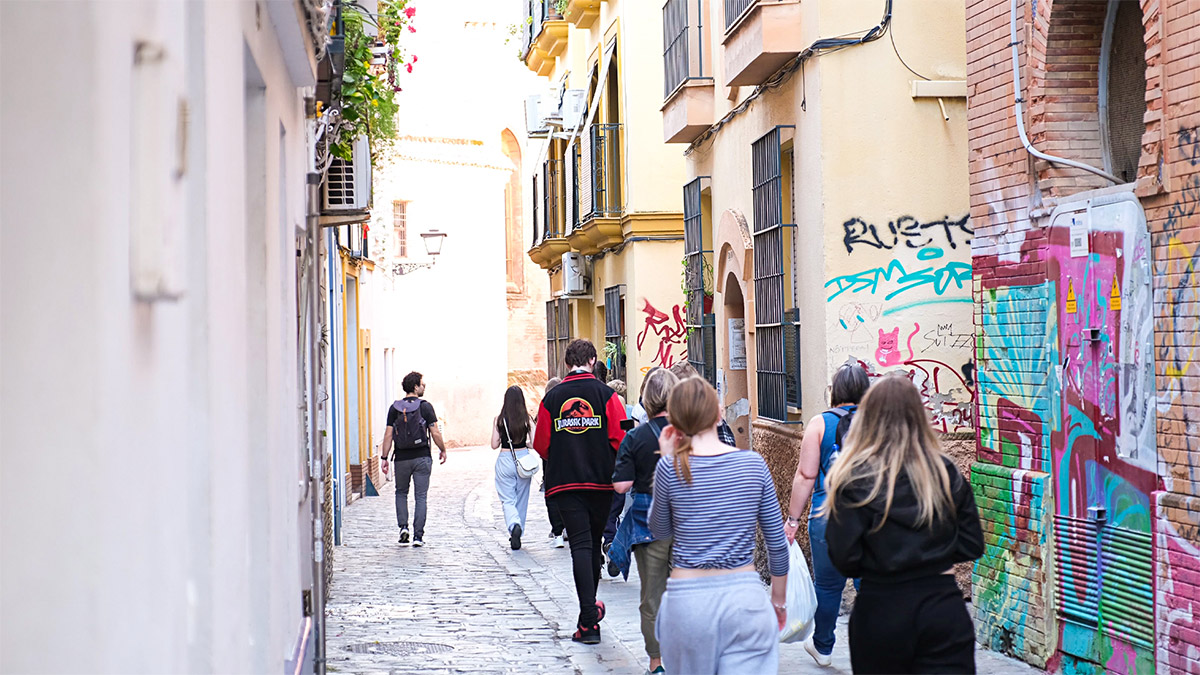
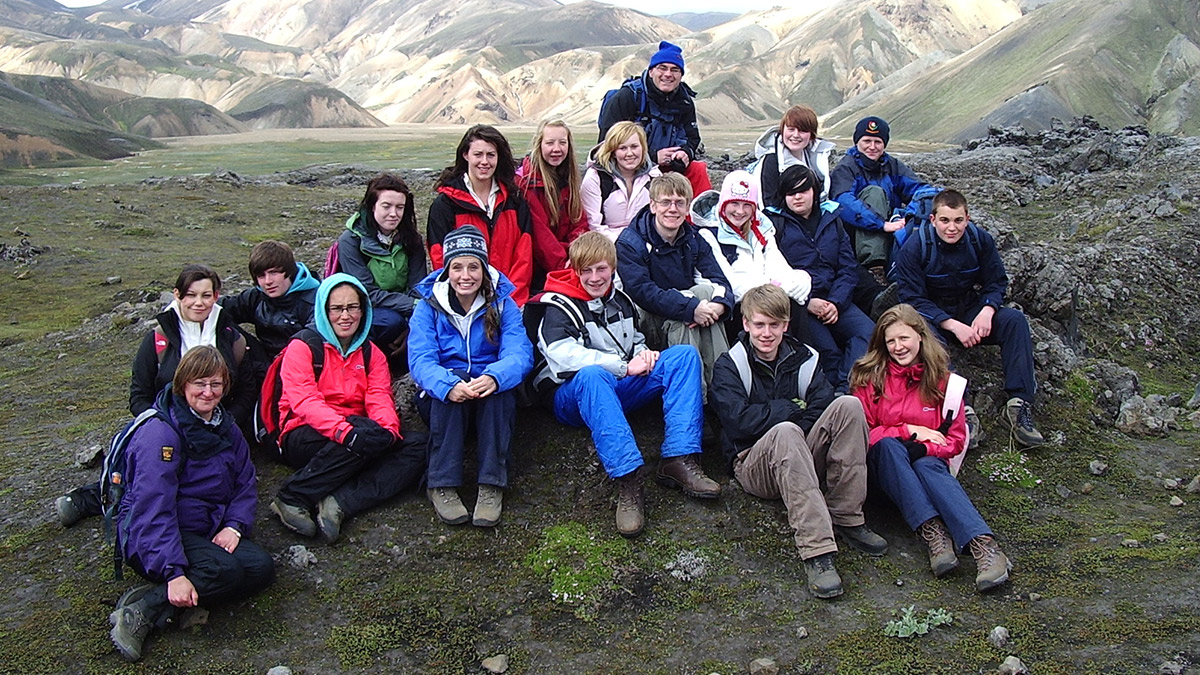
The Educational Value of School Trips
School educational trips provide powerful, curriculum-linked learning by placing students in real-world environments where knowledge becomes tangible and memorable.
These experiences support a wide range of subjects and learning styles, helping students connect theory with practice while building confidence, independence and a broader global perspective.
Subject-Specific Learning Opportunities
Educational tours abroad create opportunities for meaningful, cross-curricular learning across a variety of subjects.
History
- Visiting historic landmarks, museums and heritage sites where important events took place
- Gaining a deeper understanding of historical periods, people and societies through real-world context
- Exploring monuments, artefacts and exhibitions that illustrate how history is remembered and interpreted
- Connecting classroom topics to tangible locations that shaped historical events
Geography
- Exploring landscapes, physical geography and environmental processes in real-world settings
- Understanding human geography through cities, communities and cultural environments
- Observing geographical features and data collection methods used in fieldwork
Languages
- Practising communication skills in authentic cultural and linguistic environments
- Developing listening and speaking confidence through real-life interactions
- Building cultural awareness and understanding through immersive experiences
Science
- Observing scientific concepts in action through museums, laboratories and natural environments
- Engaging with interactive exhibits and demonstrations that reinforce classroom learning
- Developing investigative thinking through observation and enquiry-based activities
Art and Culture
- Experiencing world-class galleries, architecture, music and performance spaces
- Developing creativity and cultural appreciation through exposure to global art and heritage
- Understanding the influence of culture and creativity on societies around the world
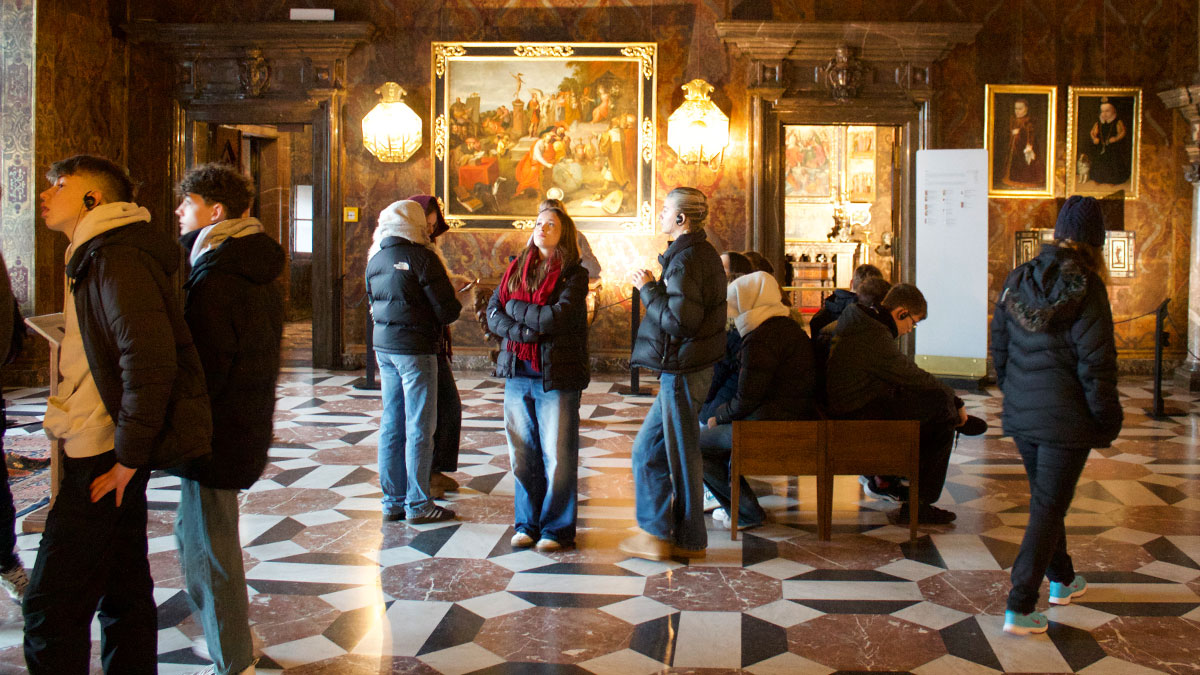


Skills Students Can Develop Through School Educational Trips
Beyond curriculum knowledge, school educational trips provide valuable opportunities for students to develop academic, personal and transferable skills.
Critical Thinking and Curiosity
- Asking questions and engaging actively with new environments and ideas
- Making connections between classroom learning and real-world experiences
- Developing analytical skills through observation and discussion
Confidence and Communication
- Communicating effectively with peers, guides and experts
- Participating in discussions, workshops and collaborative learning activities
- Building confidence in new and unfamiliar environments
Independent Learning and Responsibility
- Taking ownership of learning through structured tasks and enquiry activities
- Managing time and responsibilities during visits and travel experiences
- Demonstrating respectful behaviour in cultural and educational settings
Academic and Study Skills
- Recording observations and taking effective notes during visits
- Applying knowledge gained during the trip to coursework and assessments
- Strengthening research, analysis and reflective learning skills
Adaptability and Resilience
- Learning in environments beyond the classroom
- Adapting to new cultures, locations and learning contexts
- Developing resilience when encountering unfamiliar ideas and experiences
Teamwork and Social Skills
- Collaborating with peers during group activities and learning tasks
- Developing stronger relationships through shared experiences
- Supporting each other in new and challenging environments
Popular Destinations for Educational School Trips
Rayburn Tours offers a wide selection of destinations that are ideal for educational school trips. These locations provide students with valuable opportunities to learn beyond the classroom, experience new cultures and environments, and bring their studies to life through real-world experiences.
Key destinations for educational trips
Iceland
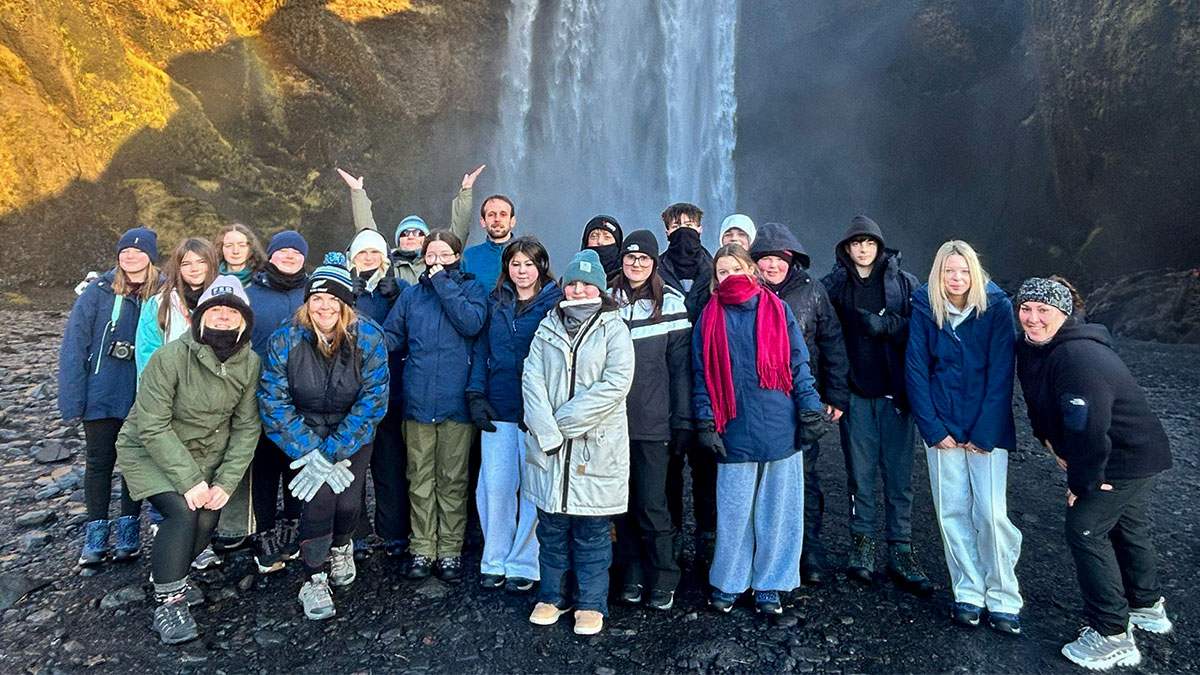
Iceland offers inspiring educational experiences across science, geography, art and culture.
Key Highlights Students May Visit:
- Reykjavík Art Museums – Explore Icelandic creativity across Hafnarhús, Kjarvalsstaðir and the Ásmundur Sveinsson Sculpture Museum, discovering modern art, sculpture and Iceland’s cultural identity.
- South Coast Exploration – Visit iconic natural landmarks including Seljalandsfoss and Skógafoss waterfalls, Sólheimajökull glacier, the cliffs of Dyrhólaey and the coastal village of Vík, learning about Iceland’s dramatic landscapes and environment.
- Blue Lagoon – Discover Iceland’s world-famous geothermal spa and learn about renewable energy, geothermal science and the country’s innovative use of natural resources.
- LAVA Centre – An interactive museum where students explore volcanic eruptions, earthquakes and Iceland’s powerful geological forces through engaging exhibits.
- Heimaey Island – Visit the site of the 1973 Eldfell eruption and learn how the local community responded to this remarkable volcanic event.
United Kingdom
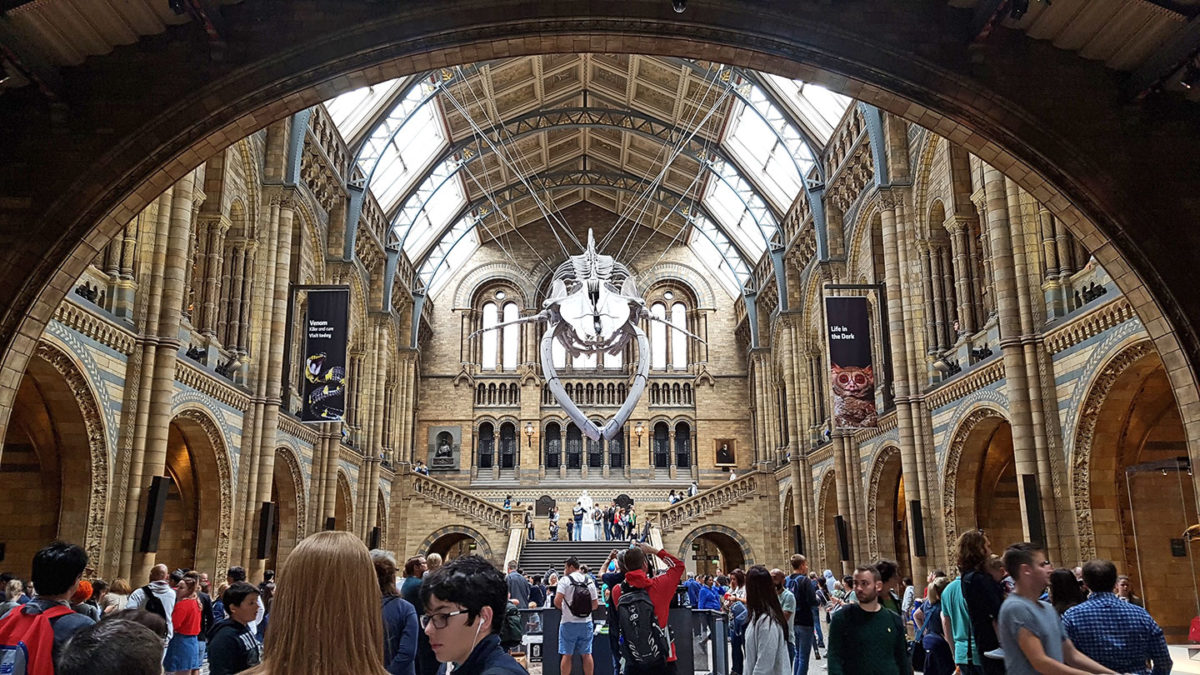
The United Kingdom offers diverse educational experiences across history, culture, geography, business and economics.
Key Highlights Students May Visit:
- Edinburgh Castle & The Royal Mile – Explore Scotland’s historic capital and discover centuries of British history, culture and architecture.
- York’s Historic Attractions – Visit the JORVIK Viking Centre and York’s Chocolate Story to learn about Viking heritage, trade and local industry.
- London Landmarks & Museums – Discover iconic attractions including the London Eye, Science Museum and Bank of England Museum, offering insights into history, science and economics.
- Liverpool Waterfront & Museums – Explore Britain’s maritime heritage at the Museum of Liverpool and the International Slavery Museum, alongside a Mersey River Cruise.
- Snowdonia National Park – Experience the landscapes of North Wales with visits to Snowdon via the Mountain Railway and scenic locations such as Cwm Idwal.

Spain
Spain offers a wide range of educational opportunities across languages, culture, geography, business, economics and food technology.
Key Highlights Students May Visit:
- Barcelona’s Architectural Landmarks – Explore the iconic Sagrada Familia and Park Güell, two of Antoni Gaudí’s most famous creations, alongside visits to Poble Espanyol or the Museu de la Xocolata.
- Granada’s Historic Treasures – Visit the spectacular Alhambra and explore Andalusian culture through sites such as the García Lorca Museum and traditional flamenco experiences.
- Valencia’s City of Arts & Sciences – Discover one of Europe’s most impressive science complexes, alongside visits to Turia Gardens, Mestalla Stadium or a paella cooking workshop.
- Madrid’s Cultural Landmarks – Explore the Royal Palace, Puerta del Sol, Plaza Mayor and the renowned Prado Museum, with opportunities to visit the Santiago Bernabéu Stadium and Mercado de San Miguel.
- Cantabria and Northern Spain Landscapes – Discover Santillana del Mar, Parque Cabárceno wildlife park and the dramatic scenery of Los Picos de Europa National Park.
Italy
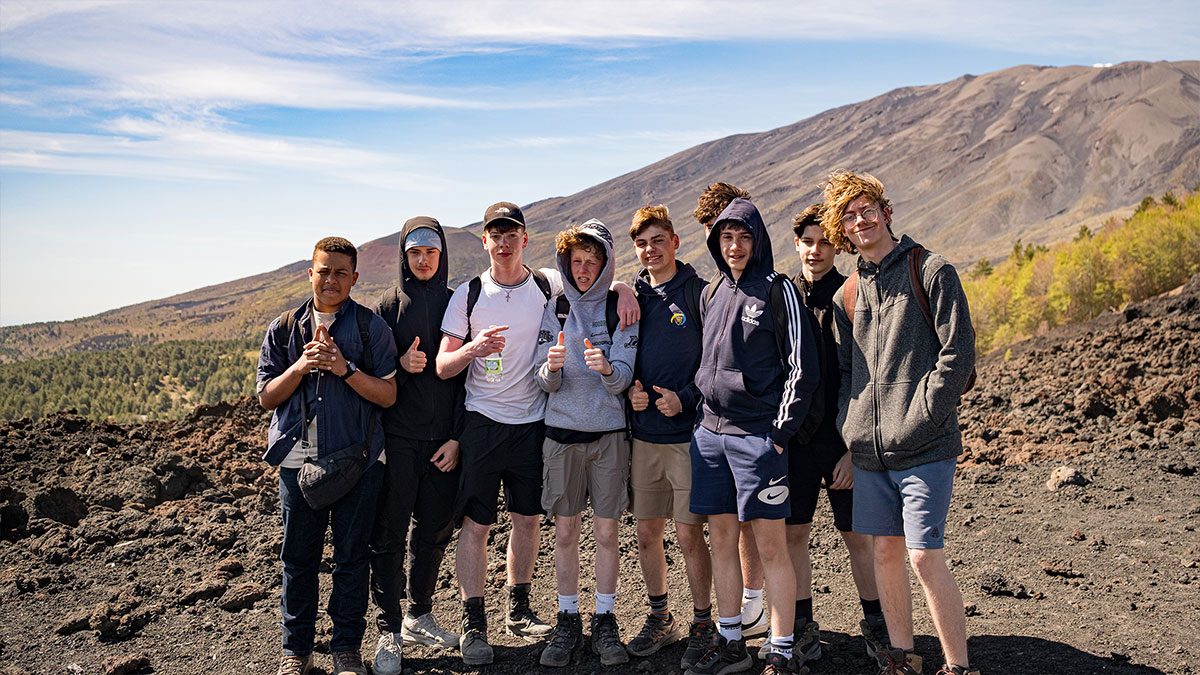
Italy offers rich educational experiences across history, classics, art, religious studies, geography, food technology and culture.
Key Highlights Students May Visit:
- Rome’s Ancient Landmarks – Explore the Colosseum, Roman Forum and Palatine Hill, discovering the foundations of the Roman Empire. Students may also visit Vatican City, including St Peter’s Basilica and the Vatican Museums.
- Florence and Renaissance Art – Discover masterpieces at the Galleria dell’Accademia and the Uffizi Gallery, alongside visits to Florence Cathedral and the Duomo. Nearby Pisa offers the chance to see the iconic Leaning Tower.
- Venice’s Cultural Landscape – Experience the canals of Venice with visits to St Mark’s Basilica, the Doge’s Palace and the Rialto Bridge, with opportunities to explore Murano, Burano and Torcello.
- Sicily’s Volcanic Landscapes – Explore Mount Etna, Europe’s most active volcano, with cable car rides or 4×4 treks. Students may also visit the Alcantara Gorge, Taormina and the Syracuse Archaeological Park.
- Naples, Pompeii and Mount Vesuvius – Discover the relationship between people and volcanoes with visits to Mount Vesuvius and the remarkably preserved ancient city of Pompeii.

Planning an Educational School Trip
We take a structured, education-led approach to planning educational school trips, ensuring strong curriculum connections, meaningful learning experiences, student safety and clear educational outcomes throughout the process.
- Define learning objectives
Educational aims are agreed in line with curriculum topics, subject requirements and the learning goals of each school or group. - Select appropriate destinations
Locations are carefully chosen to support engaging learning opportunities across a variety of subjects, from culture and science to history, geography and the arts. - Design a curriculum-linked programme
Visits and activities are selected to complement classroom learning through museums, cultural landmarks, workshops and interactive experiences. - Assess safety and practical arrangements
Accommodation, transport and all activities are fully risk-assessed and organised to meet school requirements and safety standards. - Prepare students and staff for the trip
Pre-trip guidance helps students build background knowledge, understand the destination and make the most of their educational experience. - Deliver the experience with expert support
Trips are supported by experienced tour managers, guides and a dedicated team, ensuring smooth organisation and enriching learning throughout the journey. - Extend learning after the trip
Post-trip activities can help reinforce learning, encourage reflection and allow students to connect their experiences with classroom topics.
Why Choose Educational School Trips?
- Enhances classroom learning through real-world experiences
- Encourages curiosity, independence and cultural awareness
- Supports a wide range of subjects across the curriculum
- Helps students develop critical thinking and communication skills
- Creates memorable experiences that inspire learning beyond the classroom
Real experiences
Why schools choose us
All the added extras…
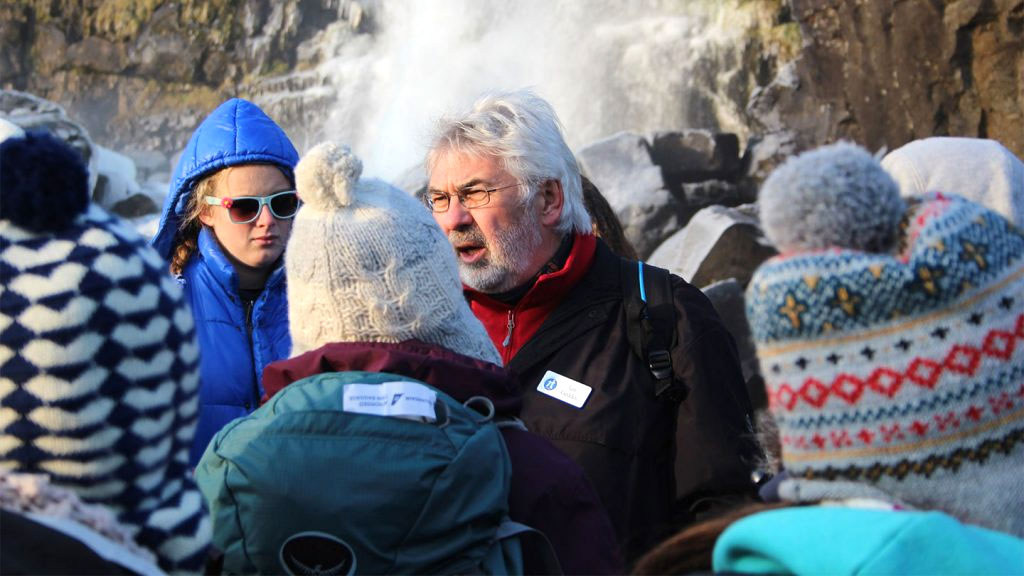
Field Study Tutors
Our specialist Field Study Tutors are here to share their specialist knowledge and geographical insight on international educational tours, helping to inspire your students and take the pressure off you as the party leader.
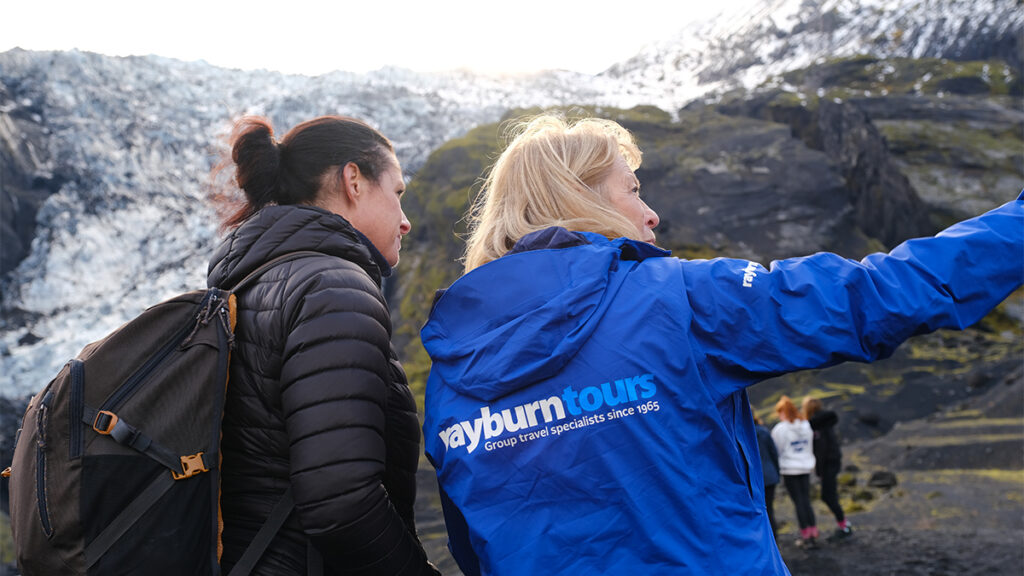
Tour Managers
A Tour Manager can provide on-hand support and ensure your school trips abroad run smoothly, making your life that little bit easier.
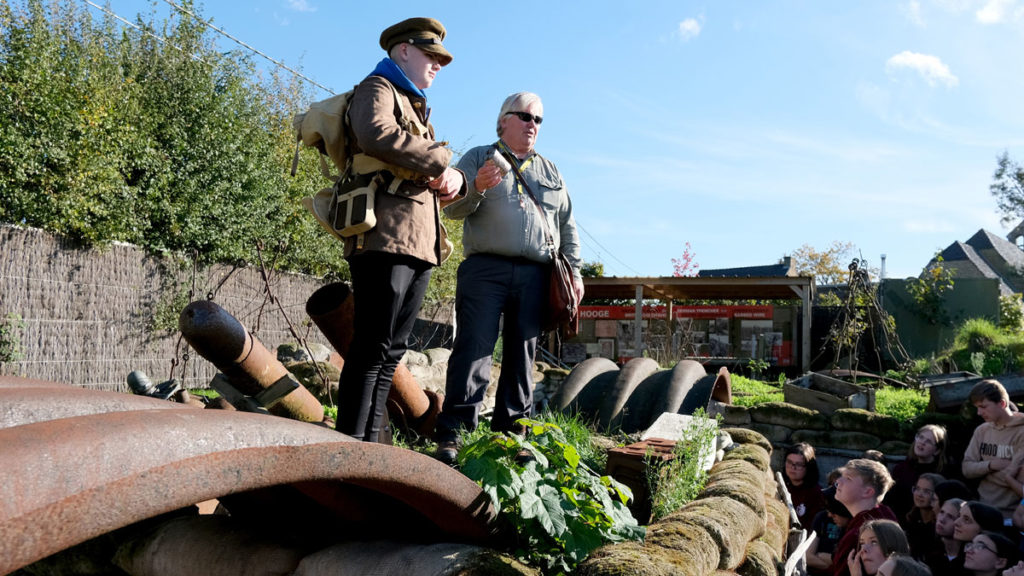
History Tour Guides
Opt for one of our specialist History Tour Guides who can help bring the historical events to life and really enhance the experience for your students whilst on international educational trips.
FAQs
- How to plan a school trip?
1. Define the Educational Purpose & Curriculum Links
The first step in planning a school trip is to be clear about what you want to achieve. Which topics will it reinforce—plate tectonics, glaciation, and renewable energy in geography; ancient civilisations or World War history in history; or perhaps art, languages, or religious studies? At Rayburn Tours, we emphasise linking every itinerary directly to the curriculum across multiple subjects, so the trip becomes an extension of classroom learning rather than just a standalone experience.
2. Choose Destination & Itinerary
Selecting the right destination is key. Each of our destinations – whether Iceland, Sicily, Normandy, Berlin, or beyond – offers unique opportunities to explore subject-specific and cross-curricular themes. At Rayburn Tours, we create tailor-made itineraries, ensuring the sites you visit align with your chosen learning objectives, whether that’s investigating volcanic landscapes, exploring battlefields, studying art and culture, or developing language skills.
3. Budgeting & Costing
Budgeting is always a priority when organising a school trip. You’ll need to account for transport, accommodation, meals, insurance, and excursions. At Rayburn Tours, we provide clear, fully costed packages, which cover accommodation, transport, and excursions, and we offer financial protection through ABTA and ATOL for peace of mind.
4. Safety, Risk & Logistics
Student safety is paramount. Every school must carry out risk assessments and ensure they meet local authority requirements. At Rayburn Tours, we operate a comprehensive Safety Management System, conduct audits on coaches and hotels, and provide 24-hour emergency support to give you complete reassurance throughout your trip.
5. Roles & Staffing
Organising the right staffing levels is essential for both safety and educational value. At Rayburn Tours, we can provide Field Study Tutors for geography and History Tour Guides for historical sites, all of whom bring expert knowledge and engaging teaching to the field. This ensures students get maximum value from every experience.
6. Pre-Trip Preparation & Resources
Preparation before you travel makes a big difference. At Rayburn Tours, we provide study resources, handbooks, and destination-specific guides to help teachers and students prepare. We also recommend pre-trip sessions to introduce students to the locations, what to expect, and how the trip connects to their studies.
7. On Tour: Learning & Engagement
While on tour, students should collect data, sketch landscapes, and link theory with observation. At Rayburn Tours, we design trips to go beyond sightseeing, with structured fieldwork, expert guides, and itineraries that bring education to life. Our aim is always to balance fun with academic value.
8. Follow-Up Work
The learning doesn’t stop when you return home. Encourage students to present findings, write up reports, or compare field observations with classroom theory. At Rayburn Tours, we believe reflection and follow-up are vital for consolidating knowledge and turning experiences into lasting understanding.
- What to bring on a school trip?
When preparing for a school trip, the key is to balance comfort, practicality, and safety.
Students should bring suitable clothing for the weather, comfortable footwear for walking, and a lightweight waterproof layer. A small backpack is essential to carry daily items such as a refillable water bottle, snacks, and a packed lunch if needed. Academic essentials, like a notebook, pens, or subject-specific equipment, should also be included, alongside personal items such as sun cream, a hat, and any required medication.
Teachers should provide a packing list tailored to the destination and subject focus, but in general, students should pack light while ensuring they have everything they need to stay safe, comfortable, and engaged.
- What to pack for a 1 day school trip?
For a single-day school trip, packing should be minimal but well thought out.
Students should bring a small backpack containing lunch, water, and snacks to stay energised. A lightweight waterproof jacket is useful in case of changing weather, and comfortable shoes are a must if the day involves walking or fieldwork.
Students may also need a notebook and pencil for recording observations or completing worksheets, depending on the subject.
Personal items such as sun cream, a hat, or a small amount of spending money may also be appropriate. The golden rule for a one-day trip: pack only what you’ll use and keep it light.
- What to pack for a 3 day school trip?
For a three-day school trip, students will need to prepare for both daytime activities and overnight stays. Along with essentials like a small daypack, water bottle, and waterproof jacket, they should pack a change of clothes for each day, nightwear, and a spare warm layer for cooler evenings. Comfortable walking shoes are essential, and it’s wise to pack a second pair of lighter shoes for downtime. Toiletries, a towel, and personal hygiene items are necessary, along with a small first aid kit or any personal medication. Depending on the destination, students may also need swimwear, fieldwork equipment, or subject-specific resources. Finally, a notebook, pens, and a folder for worksheets will help keep academic tasks organised. The aim is to pack efficiently: enough for three days without overloading luggage.
- Why are educational trips important?
Educational trips are crucial because they create an essential link between classroom learning and the real world, directly supporting the academic rigour of the UK’s GCSE and A-Level qualifications.
These excursions transform abstract theories into tangible experiences, which significantly aids memory and understanding. For instance, a Geography fieldwork trip directly fulfils the required investigative component for exam boards, whilst a History visit provides first hand, primary evidence for coursework and essays.
Furthermore, leaving the classroom is vital for developing the high-level personal skills that universities and employers value. Navigating a new environment fosters independence, resilience, and problem-solving abilities, all of which are critical for tackling the independent study and analytical depth required at A-Level and beyond. By immersing students in different settings and cultures, these trips effectively broaden their perspectives, reinforcing subject knowledge and cultivating the critical thinking necessary for top-level academic success.
Related Articles
The Perfect Insurance Plan for You
To make sure you've covered for the unexpected on your trip, we chatted to the people in the know about keeping your tour insured.
How to Make Your Tour More Sustainable
With our Sustainability hub showing some of our green wins, we thought of a few more ways on how to make your tour more sustainable.
Why are school trips important?
There are many benefits to school trips, both locally and internationally. Rayburn Tours has been planning and running school trips for over 60 years, and…